
How to Defeat the Far Right: Extremism is on the rise – HOPE not hate can stop it
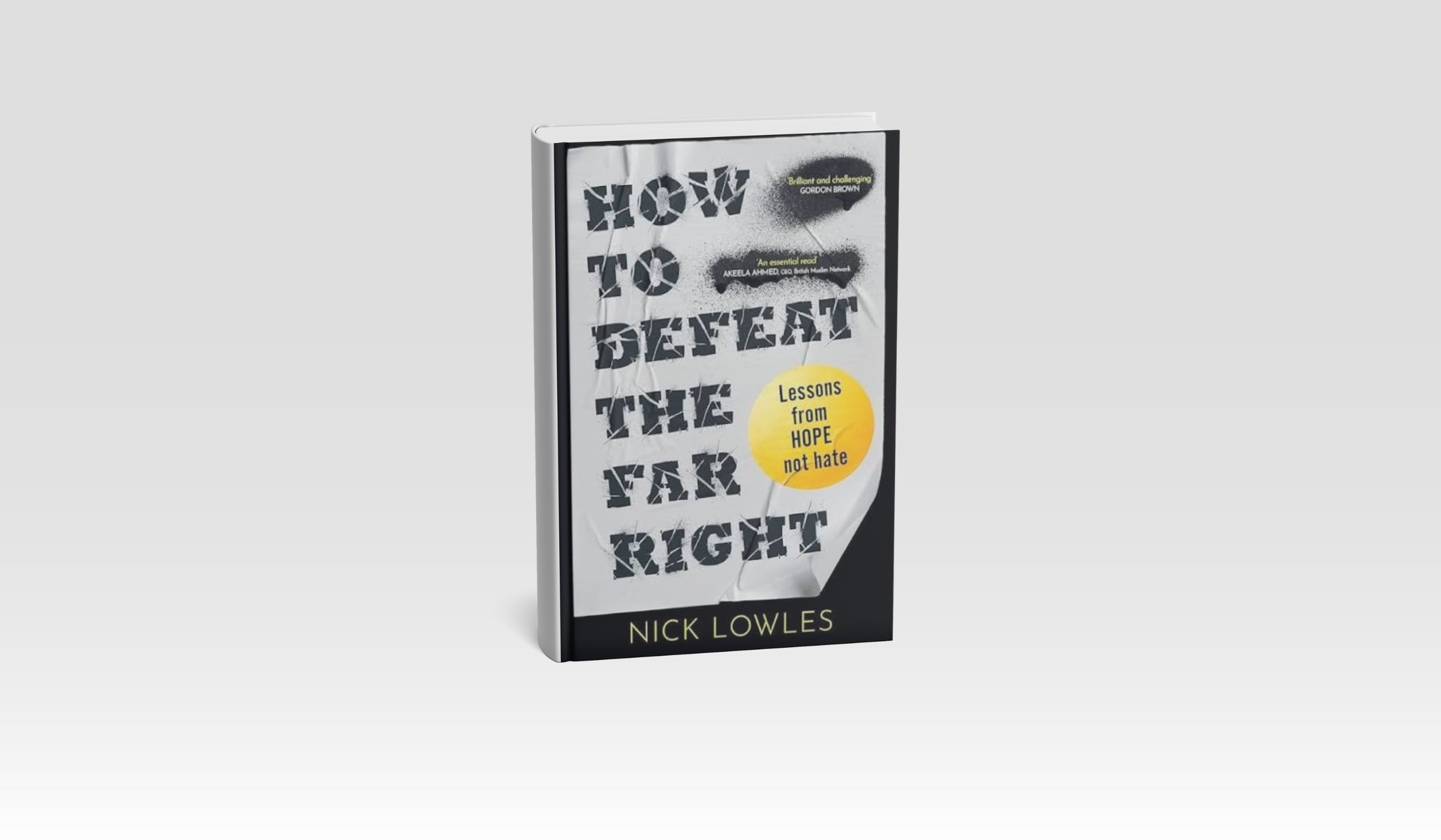
Nick Lowles’ How to Defeat the Far Right: Extremism Is on the Rise – HOPE not hate Can Stop It is both a timely intervention and a grounded reflection on decades of practical anti-extremist work. Drawing on the experience of Hope Not Hate—the organisation that played a central role in defeating the BNP and blunting the advance of UKIP at a local level—Lowles offers a sober, evidence-led alternative to the louder, angrier forms of anti-fascism that often dominate public imagination.
At the heart of the book is a simple but radical insight: the most effective way to challenge far-right extremism is not through confrontation from the outside, but through patient, locally rooted engagement from within communities themselves. Lowles rejects the idea that progressives can parachute into neglected areas, lecture residents on their values, and expect lasting change. Instead, he insists that opposition to divisive narratives must begin by listening—seriously and respectfully—to the real concerns of local people, however uncomfortable those concerns may be.
This emphasis on listening is not framed as appeasement, but as strategy. Lowles is clear that far-right movements thrive where social bonds have been weakened and hope has drained away. He provides a compelling account of how austerity, deindustrialisation, shrinking workplaces, and globalisation have hollowed out many communities. The decline of social capital—youth clubs, community centres, stable employment, and shared civic spaces—has left a vacuum that the far right is adept at filling with grievance, identity politics, and scapegoating. In this context, extremism is not an aberration but a symptom of deeper social and economic failures.
One of the book’s strongest contributions is its clear-eyed rejection of the “angry anti-fascist” model of counter-demonstrations and street confrontation. Lowles does not dismiss the moral outrage that fuels such movements, but he shows—through data, case studies, and lived experience—how they often entrench polarisation and inadvertently strengthen the far right’s victim narrative. In contrast, Hope Not Hate’s “softer” approach—community organising, targeted campaigning, coalition-building, and quiet persuasion—has repeatedly proven more effective in reducing far-right support at the ballot box and on the ground.
Lowles makes a persuasive case for what he calls a “broader church” strategy: uniting trade unionists, faith groups, local activists, businesses, and apolitical residents around shared goals such as fairness, safety, and dignity. This approach resists ideological purity in favour of practical outcomes, recognising that defeating extremism requires majorities, not just morally correct minorities. It is a strategy rooted in humility as much as conviction.
What makes the book particularly valuable is its tone. Lowles writes without grandstanding or nostalgia, acknowledging both successes and failures. He is honest about the scale of the challenge ahead, especially in an era of social media radicalisation and fragmented public discourse. Yet the book is ultimately hopeful—not in a naïve sense, but in a disciplined, strategic one. Hope, here, is something you organise.
How to Defeat the Far Right is essential reading for activists, policymakers, and anyone concerned about the rise of extremism. More than a manifesto, it is a practical guide grounded in real-world success. In an age where outrage is easy and solutions are scarce, Lowles reminds us that change still happens the old-fashioned way: through trust, patience, and communities willing to stand together.