
Birmingham Indian Film Festival
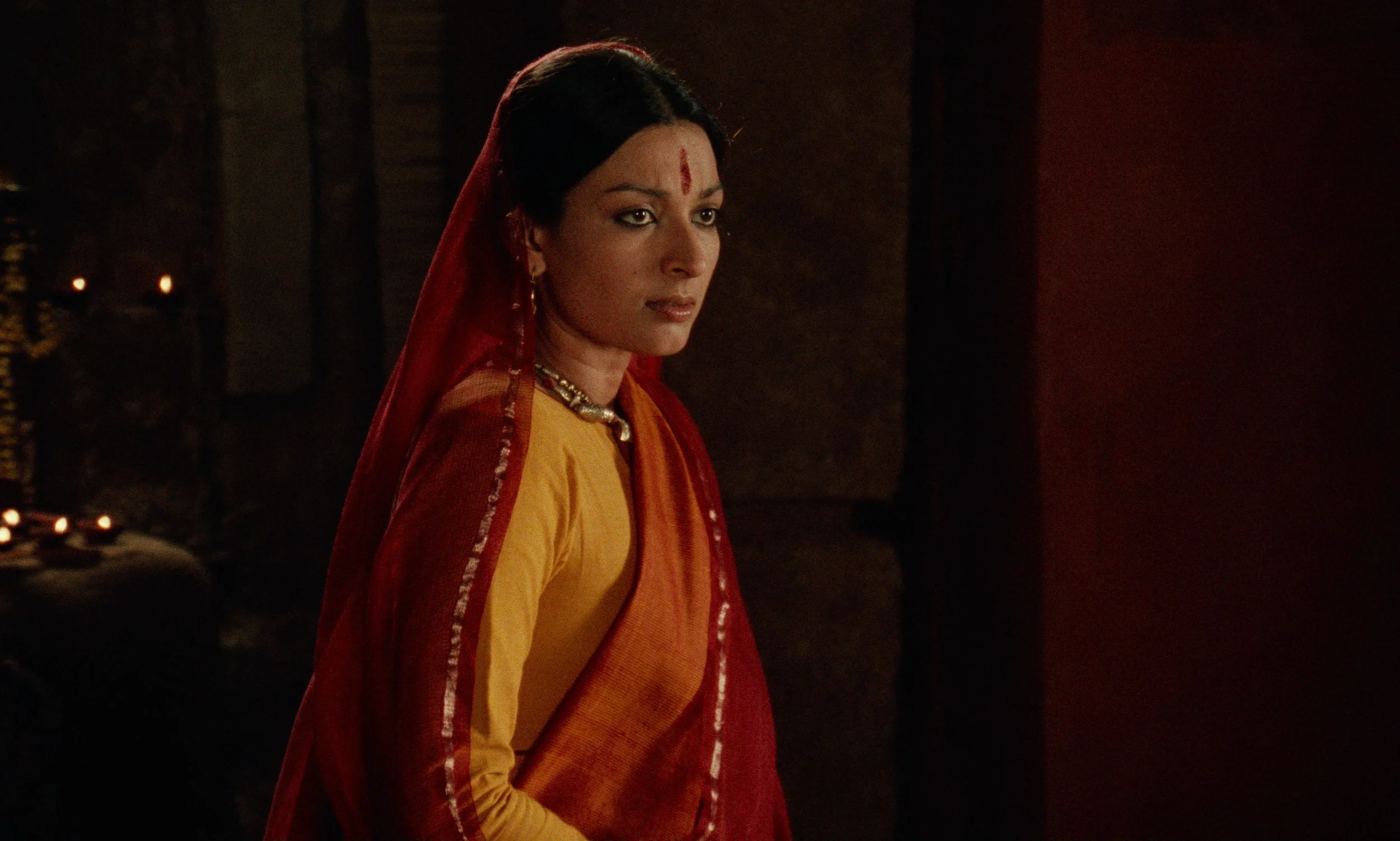
This year’s Birmingham Indian Film Festival is one of the most diverse in its history, with a range of films from different countries and genres covering a whole range of subjects.
Audiences will have the chance to see independent films from across the Indian subcontinent and shorts made by British Asians reflecting on their history, lives and experiences.
The festival between 10-19 July largely takes place at Midlands Arts Centre, with a foray into the Black Country with one screening at Lockworks Cinema in Wolverhampton and features some films and Q&As with closed captions, audio description and British Sign Language.
The programme features a host of productions including award-winning director Ali El Arabi’s new film 52 Blue, a condensed version of Peter Brook’s classic The Mahabharata, movies looking at social and cultural issues such as White Snow and In Search of the Sky plus family dramas All About Weddings and Anmol - Lovingly Ours.
BIFF head of cinema Dharmesh Rajput says the variety of the programming is paramount.
“We try to reflect the diversity of Birmingham, so, whilst we are the Birmingham Indian Film Festival, we have always represented the Indian subcontinent.
“This year we have a film from Bangladesh and one from Kashmir in Urdu and some shorts made by British Asians, so it reflects the South Asian population in Birmingham - and anyone interested in the universal themes of the films.
“BIFF is a festival for everybody. All the films are subtitled so you don’t have to speak the language to enjoy the film, and in previous years we’ve had lots of non-Asian people coming to see the films we show, which is just great.
“I think it’s about widening our horizons, understanding stories from other parts of the world, understanding cultures, understanding people. At the heart of it, storytelling is one of the oldest forms of helping to increase knowledge and helping people understand each other.”
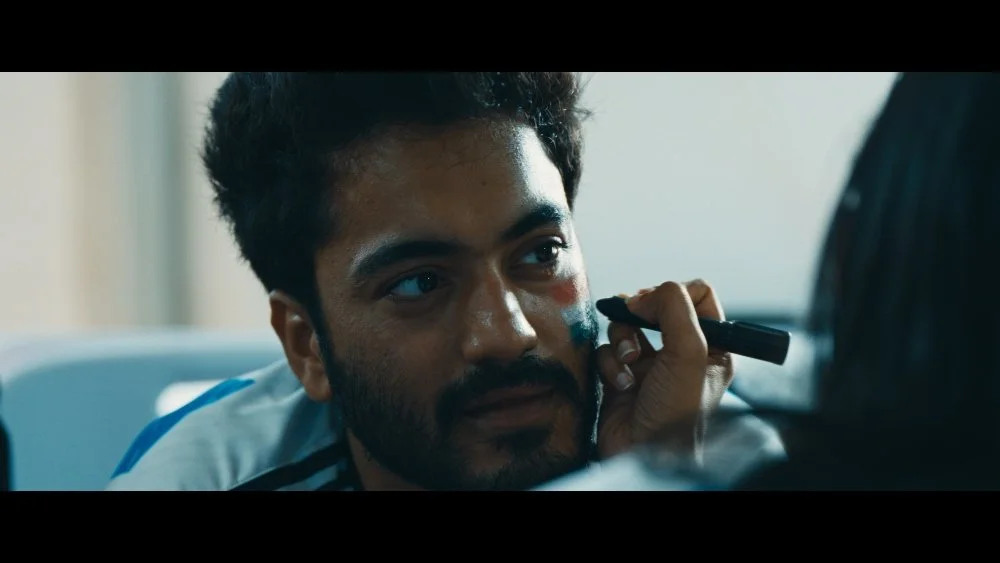
The festival begins with an Opening Night Gala at mac with 52 Blue, in which Keralan football fanatic Ashish travels to Qatar hoping to see his hero Lionel Messi in the World Cup and embarks on a journey of self-discovery. The screening is followed by a Q&A with director Ali El Arabi.
“52 Blue is an important film,” Dharmesh says. “It’s beautiful in terms of coming of age and aspiration, but there’s also a slightly dark side about people trafficking that feels relevant in the world today.
“Another highlight for me is Peter Brook’s The Mahabharata. Years ago, Channel 4 showed a TV adaptation of the theatre production, in its full six-hour length; this is a restored three-and-a-half-hour cinema version. I’m excited to see it on a fantastic 4K screen at the mac.
“The Mahabharata is one of Hinduism’s epic texts, similar, I suppose, to The Bible, and it’s a philosophical story exploring righteousness and duty and the conflict between good and evil.”
The screening will be followed by a Q&A with Simon Brook, documentary-maker and son of the legendary director Peter Brook.
The festival has a host of other productions. Bangladeshi film Master follows a socialist teacher who wins an election but then faces the reality of power, while White Snow sees a mother travelling through Kashmir as she attempts to screen her son’s banned film.
Anmol - Lovingly Ours raises questions of identity, belief and prejudice around a newborn baby’s gender and In Search of the Sky features a young man with disabilities whose family take him to the Kumbh Mela in the hope of finding a cure.
The documentary If I Could Tell You examines the lives of two friends with different experiences of Indian Sign Language.
Britain Through South Asian Eyes is a collection of four documentaries looking at South Asian British history of the 1970s and 1980s – including one based in Lozells.
“After Eight is very pertinent to Birmingham. It’s the story of Satpal Ram who was involved in a miscarriage of justice after a death in a restaurant in Birmingham one late night,” says Dharmesh.
“The other documentaries are enlightening. The ubiquitous corner shop appears on Shop Dada where director Darshan Gajjar talks to his grandfather about the corner shop that they used to run. And then More Punk Than Punk looks at the role of arts in politics through the eyes of Aki Nawaz of Fun-Da-Mental.
“That is really nice for a new generation, third or fourth generation South Asians, to look back at a time in history and see what things were like – and it’s very pertinent to what is going on around us right now.”
BIFF is a sister to the London and Manchester Indian Film Festivals, and all have Q&As as an integral part of their events.
“Conversation is always useful,” Dharmesh explains. “Trying to understand the director’s perspective and be able to discuss the film with someone who is involved in it always enriches the experience of watching the film.”
Too Desi Too Queer has two outings – at mac and Wolverhampton’s Lockworks Cinema.
“We are working with mac as we always have done. It’s a great cinema, great screen, great venue. Then every year we try and work with somewhere new, to try and dip our toes in different waters. Wolverhampton has the new Lockworks Cinema, so we are very excited to extend to there; it’s an amazing space.
“Too Desi Too Queer is giving you an insight into people’s lives that you wouldn’t ordinarily find out about. Relationships and sexuality are so complex; it’s never a black-and-white issue, so you get nuances of how people feel, how people change, how people arrive in love with somebody.”
For Dharmesh, much of the richness of BIFF is audiences seeing films they may not otherwise experience – and watching them in community with others.
“They are independent films made across the Indian subcontinent which are on the festival circuit at the moment. They may or may not get picked up for wider release, and this may be the only chance you’ll get to see them on a big screen with an audience and sometimes with a Q&A.
“If you’ve never been to the festival before, come to one film, and you are bound to be surprised. You will be engaged and be brought into a story or another world that may not be your experience but ultimately will leave you richer for that experience. It’s a window on the world while you are sitting here in Birmingham.”
BIFF takes place on 10-19 July; see here for full details and tickets.