
Birmingham builds on national anti-racism march with renewed local action
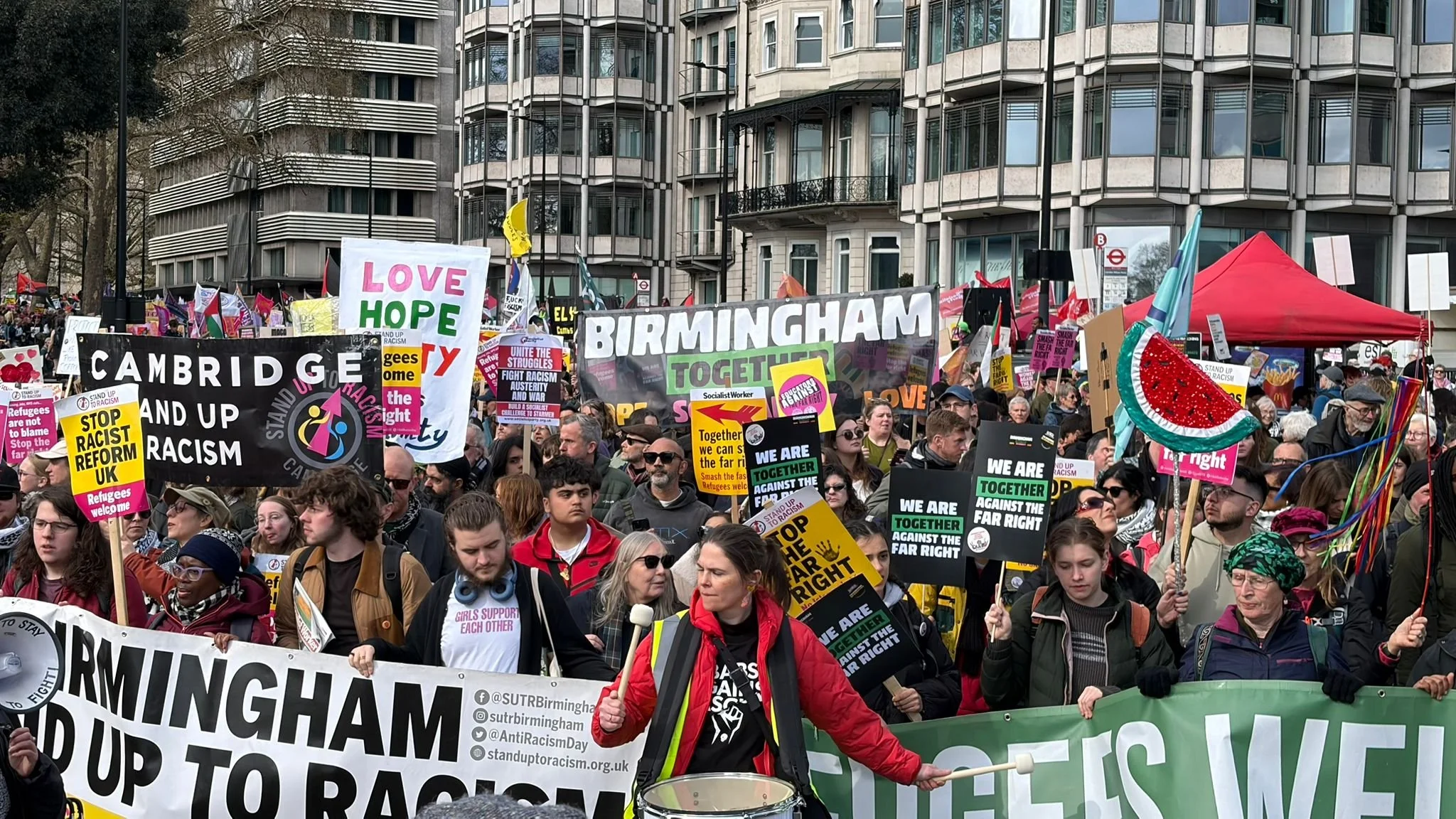
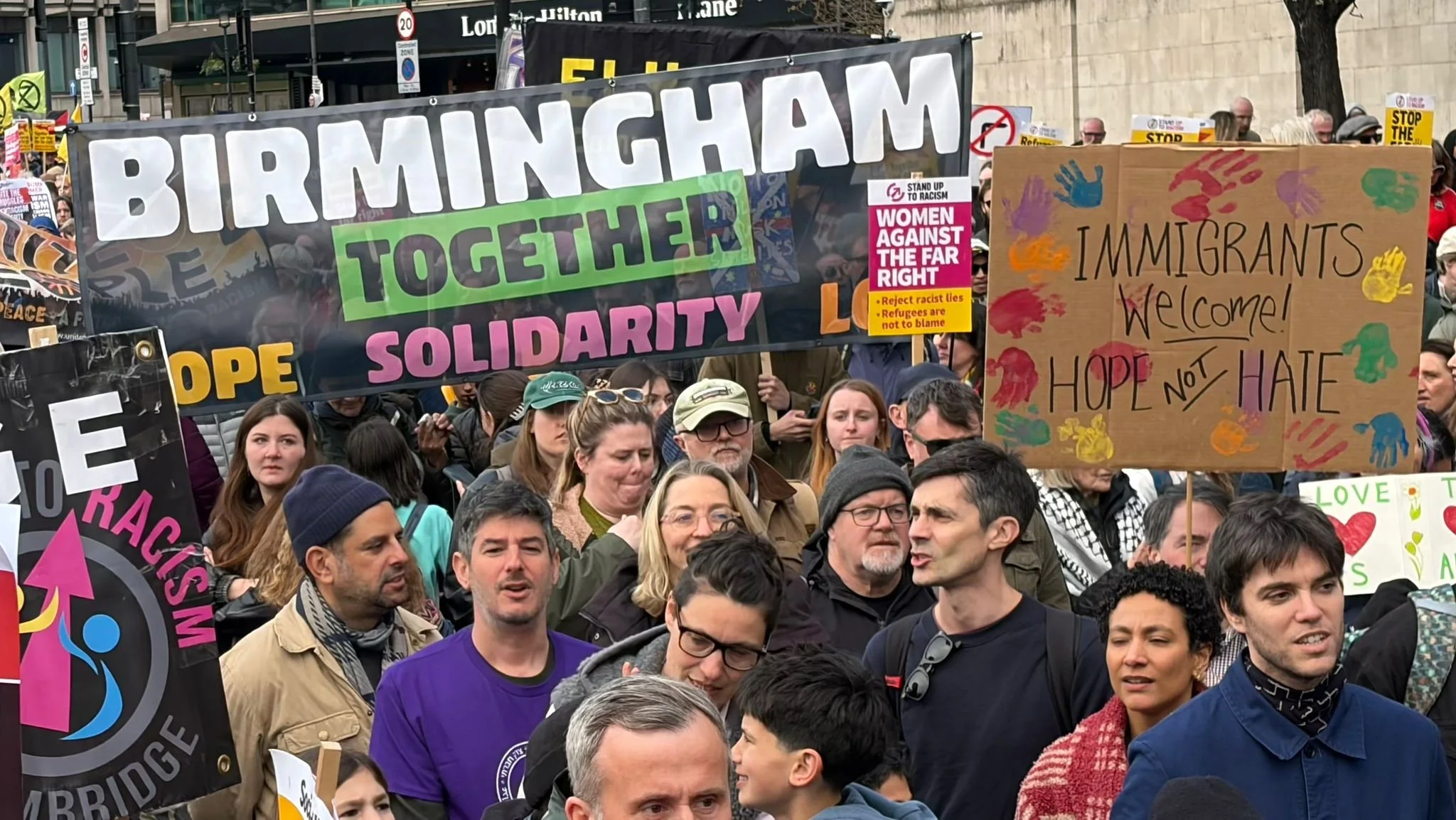
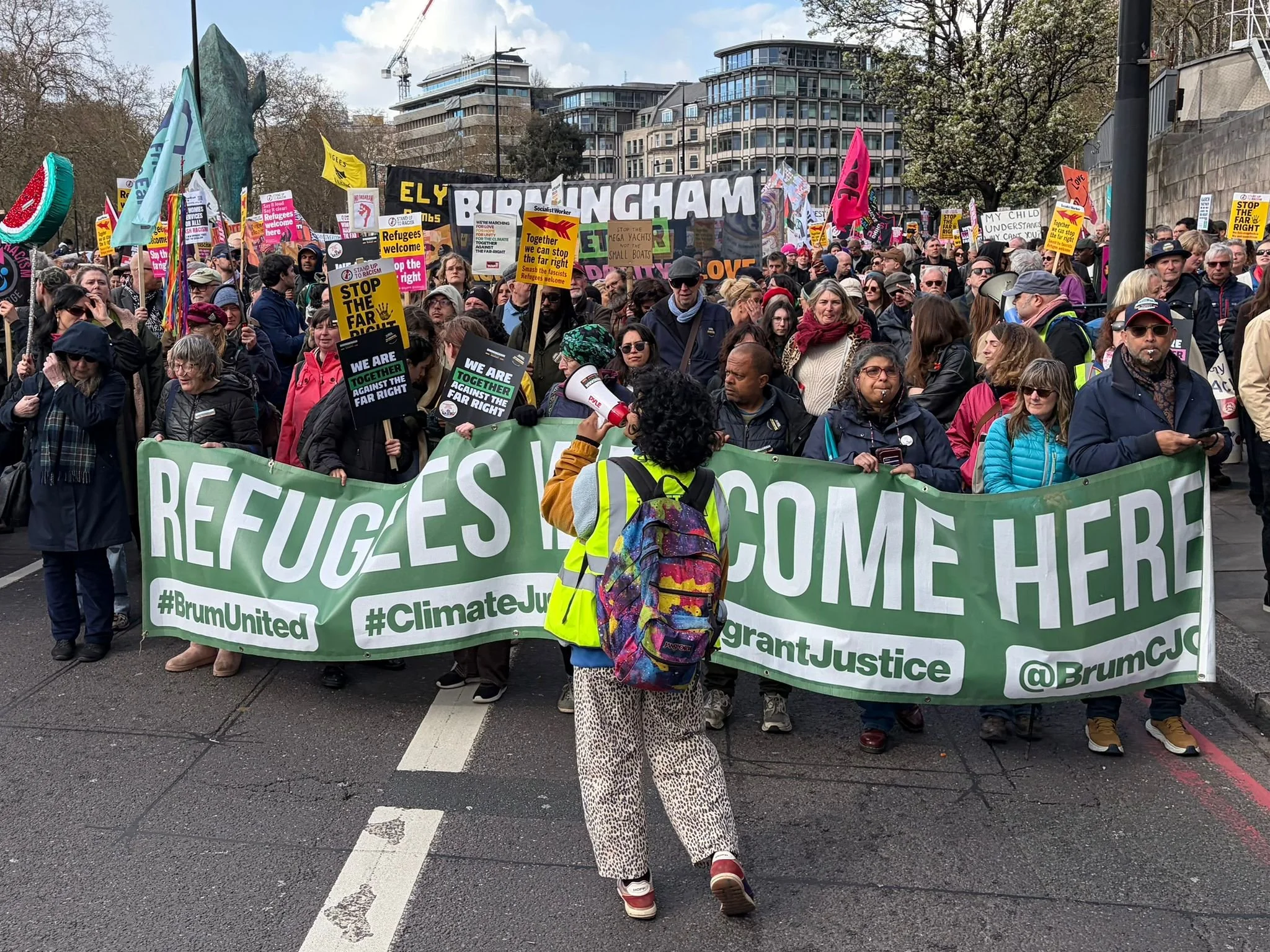
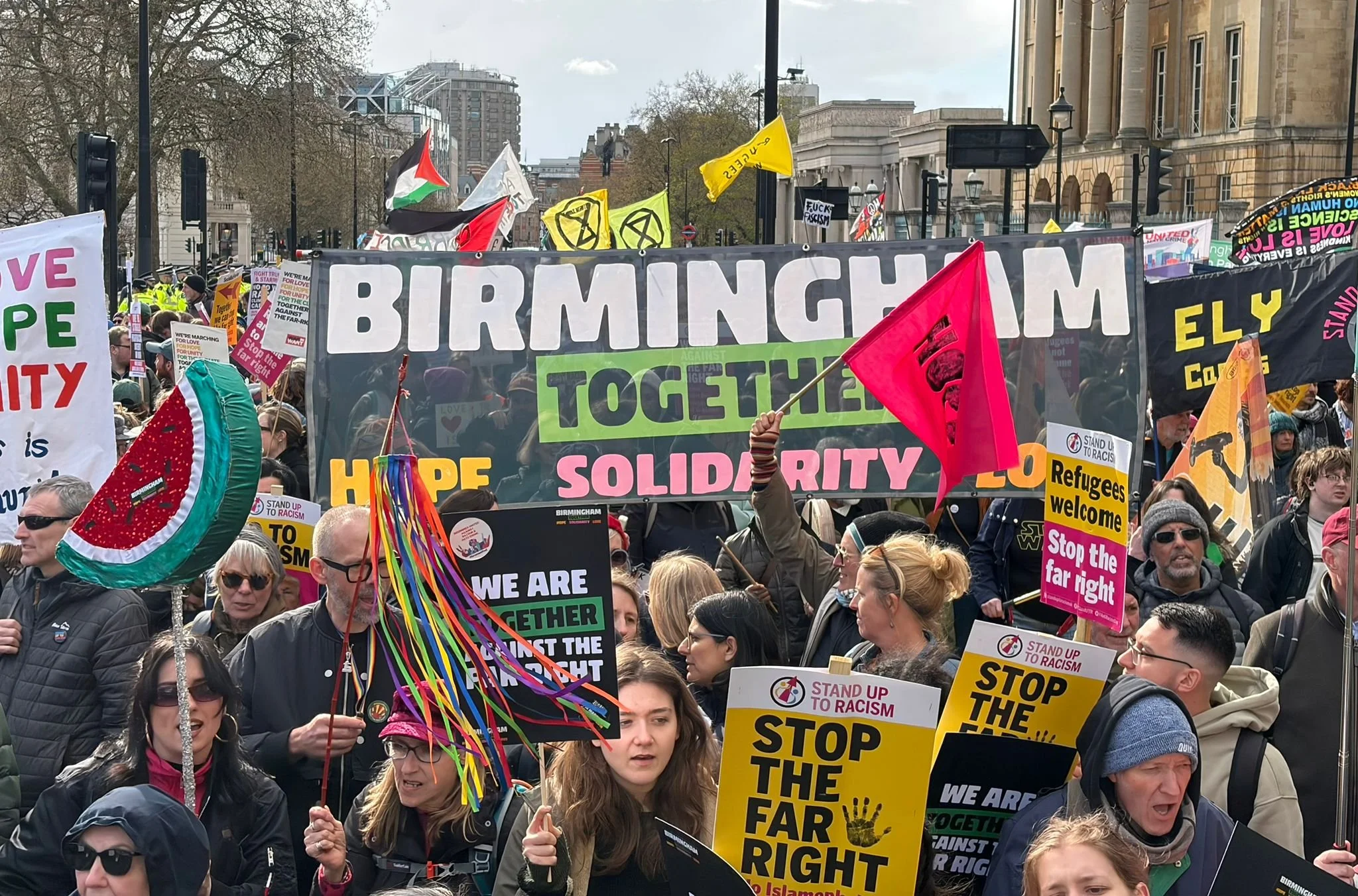
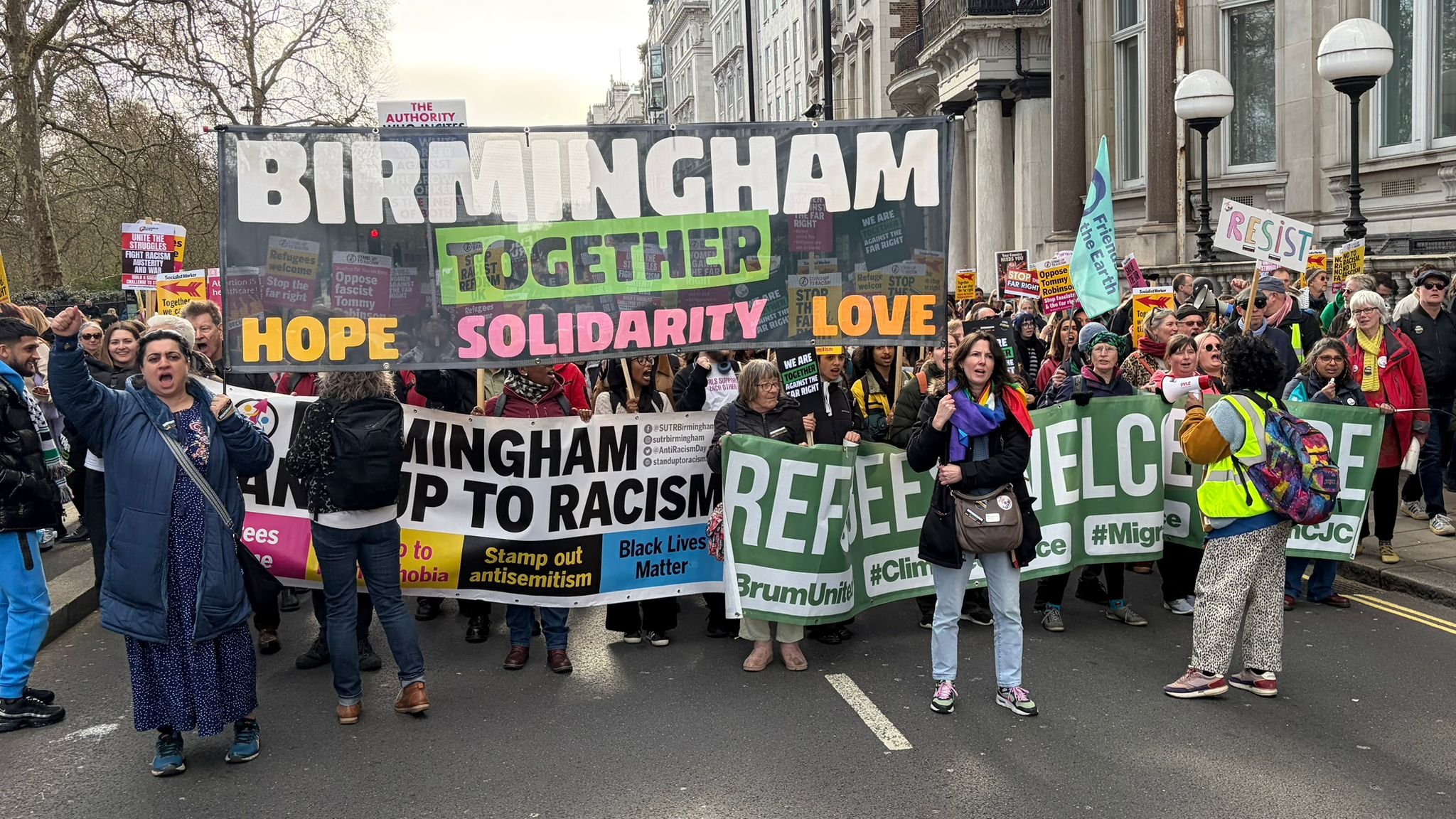
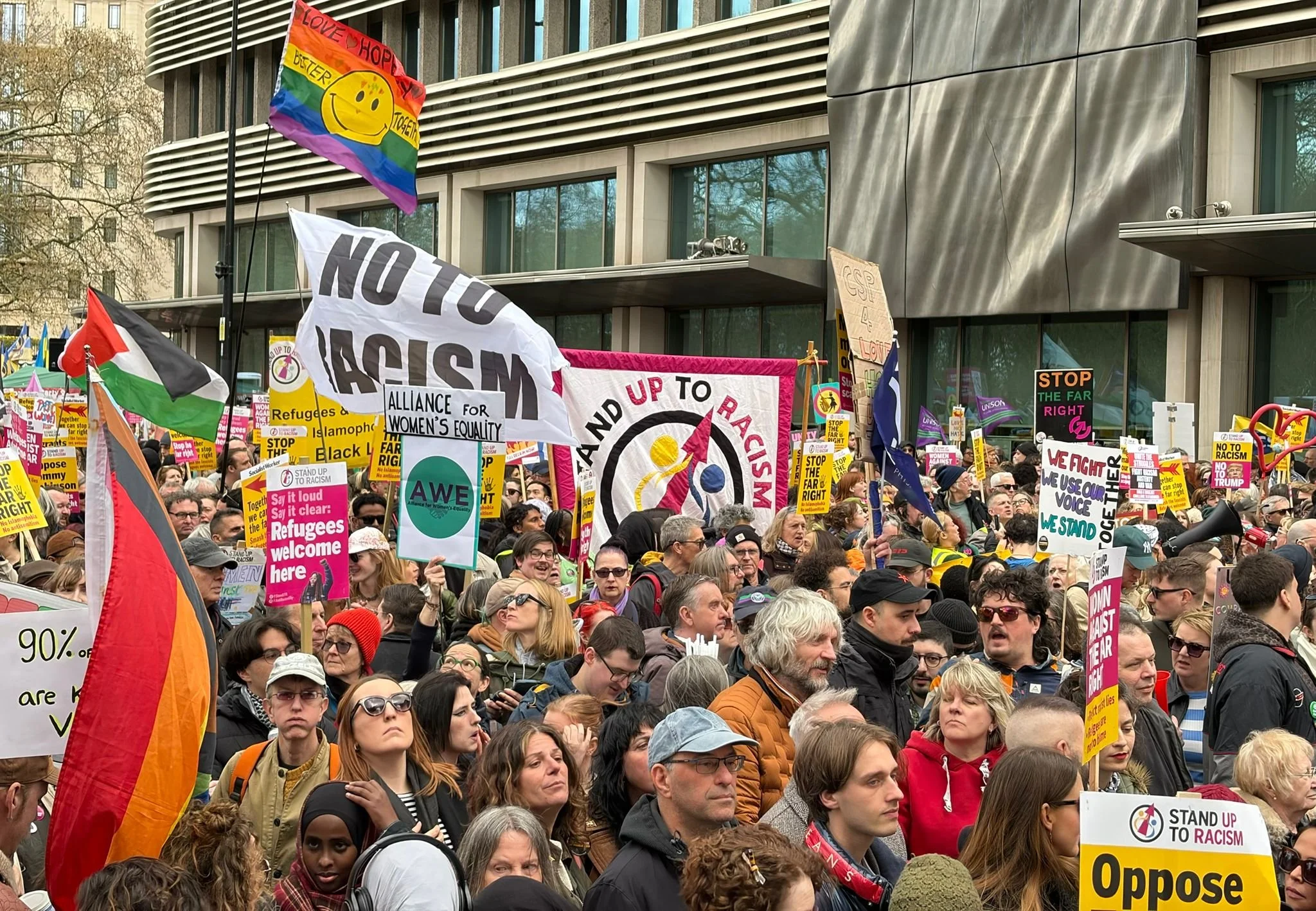
Birmingham organisations and activists are calling for sustained local action following the historic Together Alliance march in London on Saturday 28 March, which brought together hundreds of thousands of people in a national show of unity against the far right.
People from across Birmingham travelled to the capital in large numbers, joining what has been described as one of the most significant progressive mobilisations in recent years. The demonstration in London saw a mass turnout, with organisers estimating participation in the hundreds of thousands, as communities across the UK united in opposition to racism, division, and far-right organising.
Attention is now turning to how that energy can be translated into lasting change at a local level in Birmingham.
Local voices call for sustained action
Lakshnie Hettihewa, Innovation and Partnerships Lead at brap, said:
“The march on Saturday was a clear indication that Birmingham refuses to be divided. We attended in our hundreds and across the generations, on this national march, to celebrate the solidarity of our community. Now the work continues locally – Birmingham’s community commitment to stop hate and division has never been stronger.”
Local groups emphasised that Birmingham has a long-standing history of anti-racist organising and must now build on this momentum.
Jagwant Johal from BRIG said:
“The Together Alliance’s historic, inspirational people’s demonstration provided a platform all towns and cities need to build on. Birmingham has always had a strong anti-racist core and we played our crucial part in mobilising for the amazing half million show of strength against the racists and fascists who seek to divide us and attack our city.
Birmingham stands strong as an anti-racist city and will now celebrate our city through the Unite the People Festival and Rally in Centenary Square on 12 September.”
For many participants, the march was also a deeply personal experience.
Osob, a student participant from Birmingham Stand Up To Racism, said:
“It was a historic day for every anti-racist at the March against the far right. It was my first demonstration, and seeing the scale of the crowd was truly surreal. It was inspiring to feel the strength of our collective fight.”
Community mobilisation and unity
Grassroots organisers also highlighted the wider significance of the mobilisation.
Mus Dar from Brummies United Against Racism said:
“We marched alongside fellow Brummies and hundreds of thousands across the country. We showed that those who stand against hate and division are the many, and we demonstrated what love, unity and hope looks like. We also sent a powerful message: if you scapegoat migrants and refugees, we will defend them.”
Campaigners stressed that visible unity must now be matched by concrete local action.
Sabiha Aziz, a Yardley-based activist, said:
“The turnout proved the far right is a minority compared to a united public. But showing up for one day isn’t enough – we need local leaders to match that energy with real action. It’s frustrating to see divisive flags still in our streets; public spaces should reflect unity and inclusion.”
International solidarity and political message
Avtar Atwal from the Birmingham and Black Country Indian Workers’ Association said:
“On 28 March 2026, over half a million people marched in London in a powerful show of resistance to the growing far-right threat in Britain. We proudly participated, reaffirming our commitment to stand with all communities targeted by far-right politics and discrimination.”
Looking ahead: turning momentum into action
Alongside ongoing community organising, Birmingham groups are now urging residents to channel the momentum of the march into democratic participation in upcoming local elections.
Campaigners say the scale of the Together Alliance mobilisation must be reflected at the ballot box, with a clear message to political leaders that Birmingham rejects division, scapegoating, and hate.
Residents are being encouraged to register to vote, engage in local democratic processes, and support candidates committed to inclusion, fairness, and anti-racism.
For many organisers, the 28 March mobilisation marked not an endpoint, but a turning point—where mass public unity now becomes sustained local action across Birmingham communities.