
Brum academic Dr Leon Sealey-Huggins “immensely proud” of climate justice mechanism achieved at COP
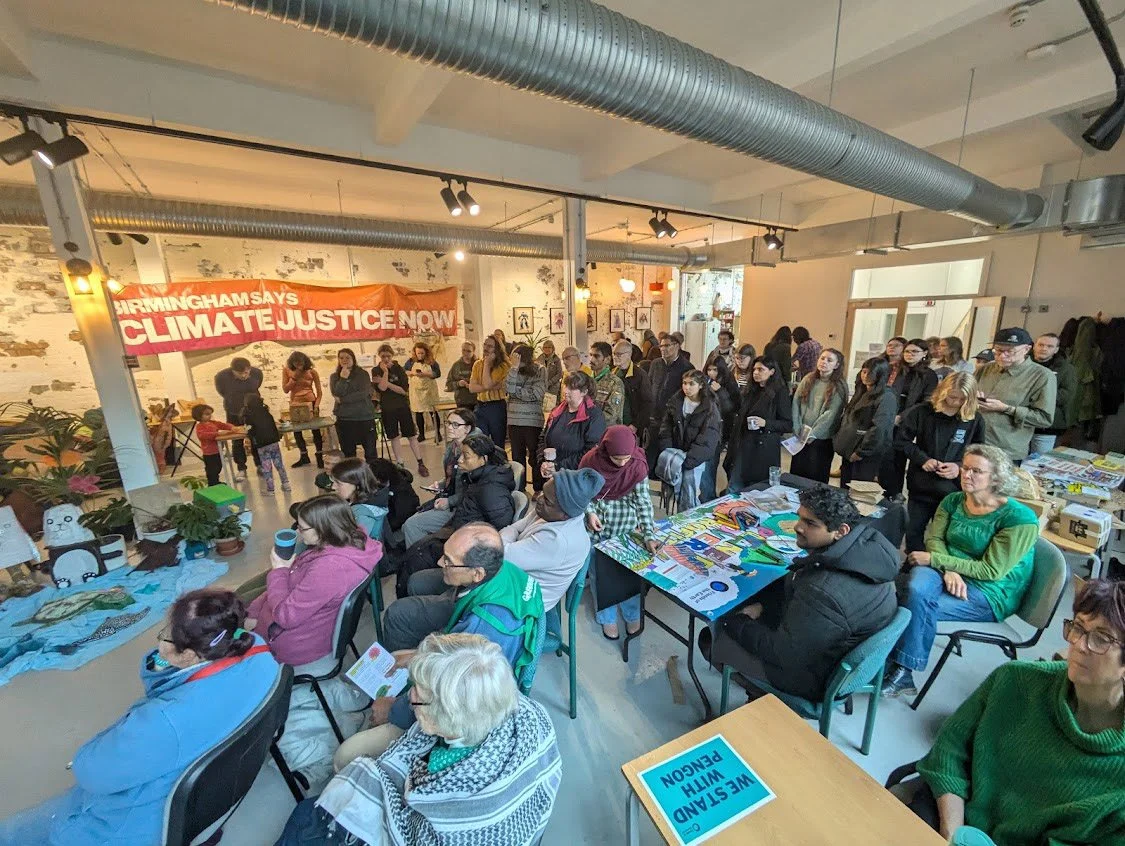
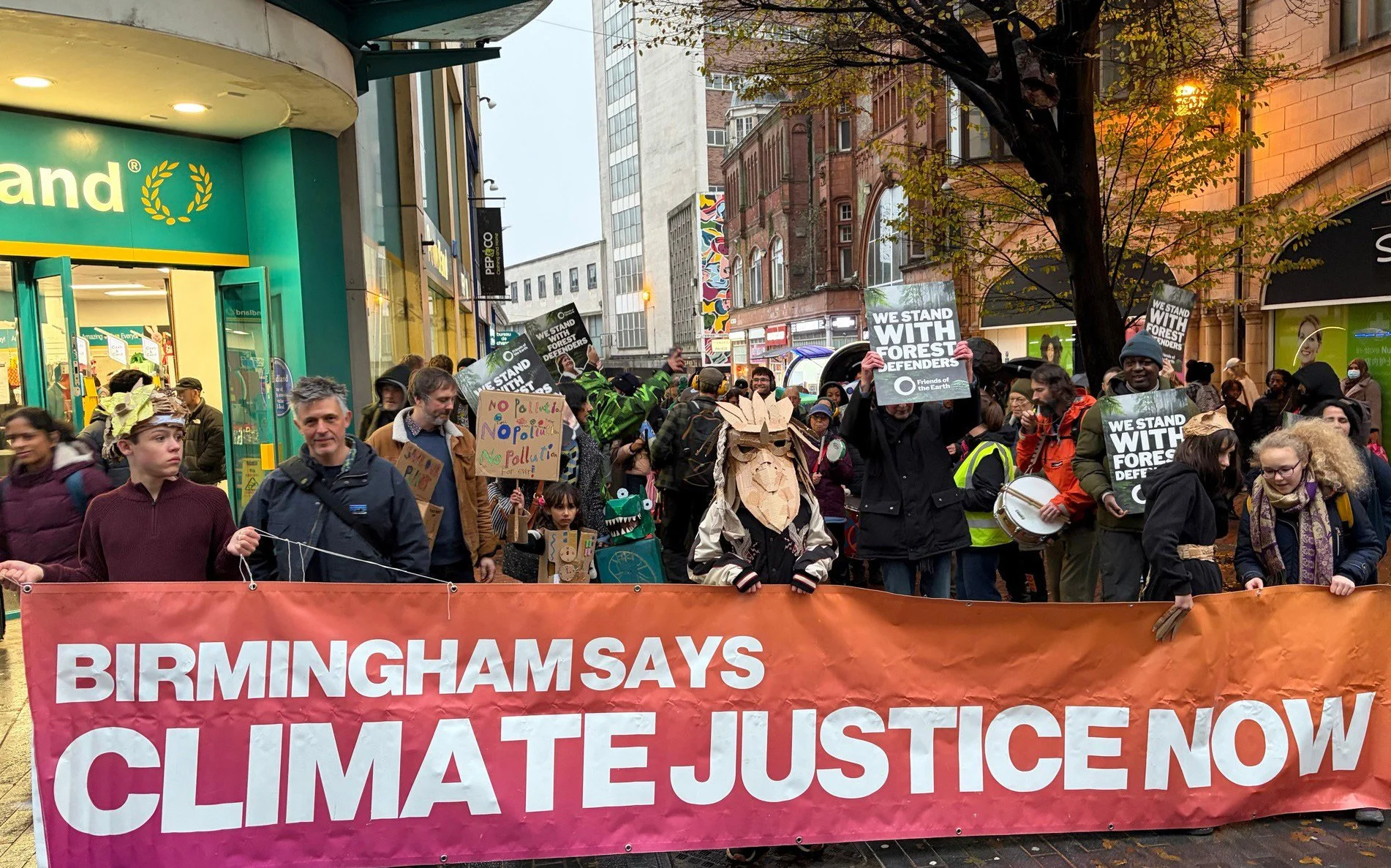
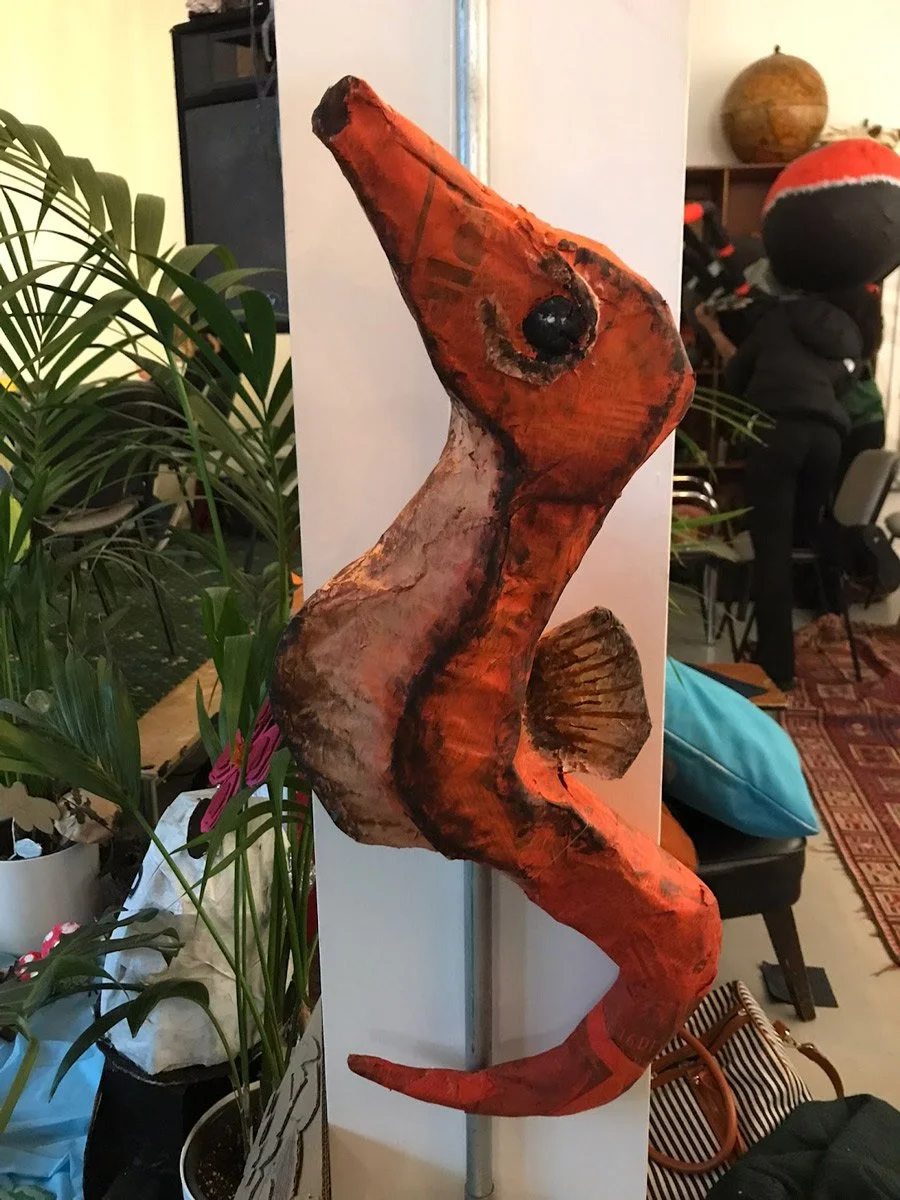
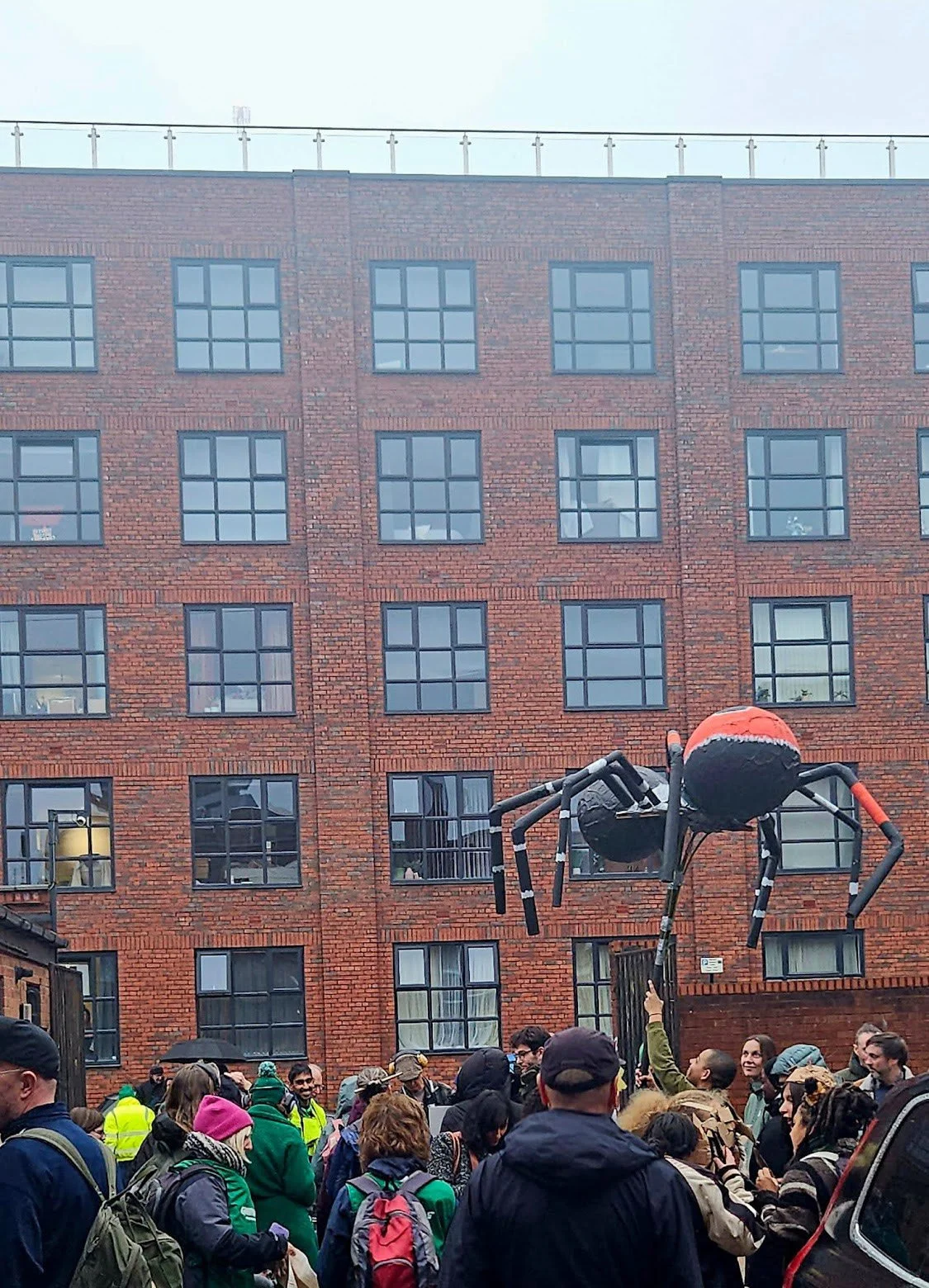
Images are credited to John Cooper of the Birmingham Climate Justice Coalition, with the remaining photos credited to Friction Arts.
A Birmingham-based campaigner and researcher has played a key role in securing a major agreement at the COP30 summit in Brazil that links climate action with social justice and sustainable development.
The Belém Action Mechanism (BAM) brings together national and international efforts to empower workers and communities in decisions that affect their lives. It also accelerates non-debt-inducing climate finance and technology transfer between rich and poor countries.
Dr Leon Sealey-Huggins, Senior Campaigner at the anti-poverty charity War on Want and a researcher at the University of Warwick, mobilised wide support for the BAM — including backing from more than 40 youth groups and over 100 UK organisations and trade unions. His efforts helped push the UK and other major industrialised nations to shift their positions and support the agreement.
“I’m immensely proud to have been part of that push,”
said Dr Sealey-Huggins, who noted that his relatives in Saint Kitts will bear the brunt of future climate extremes.
Despite disappointment with the overall COP30 outcome — which lacked firm commitments on fossil fuels and deforestation — Sealey-Huggins described securing the BAM as a “vital victory that anchors our fight for justice within the UN”, and one that “shows the power of grassroots and frontline leadership.”
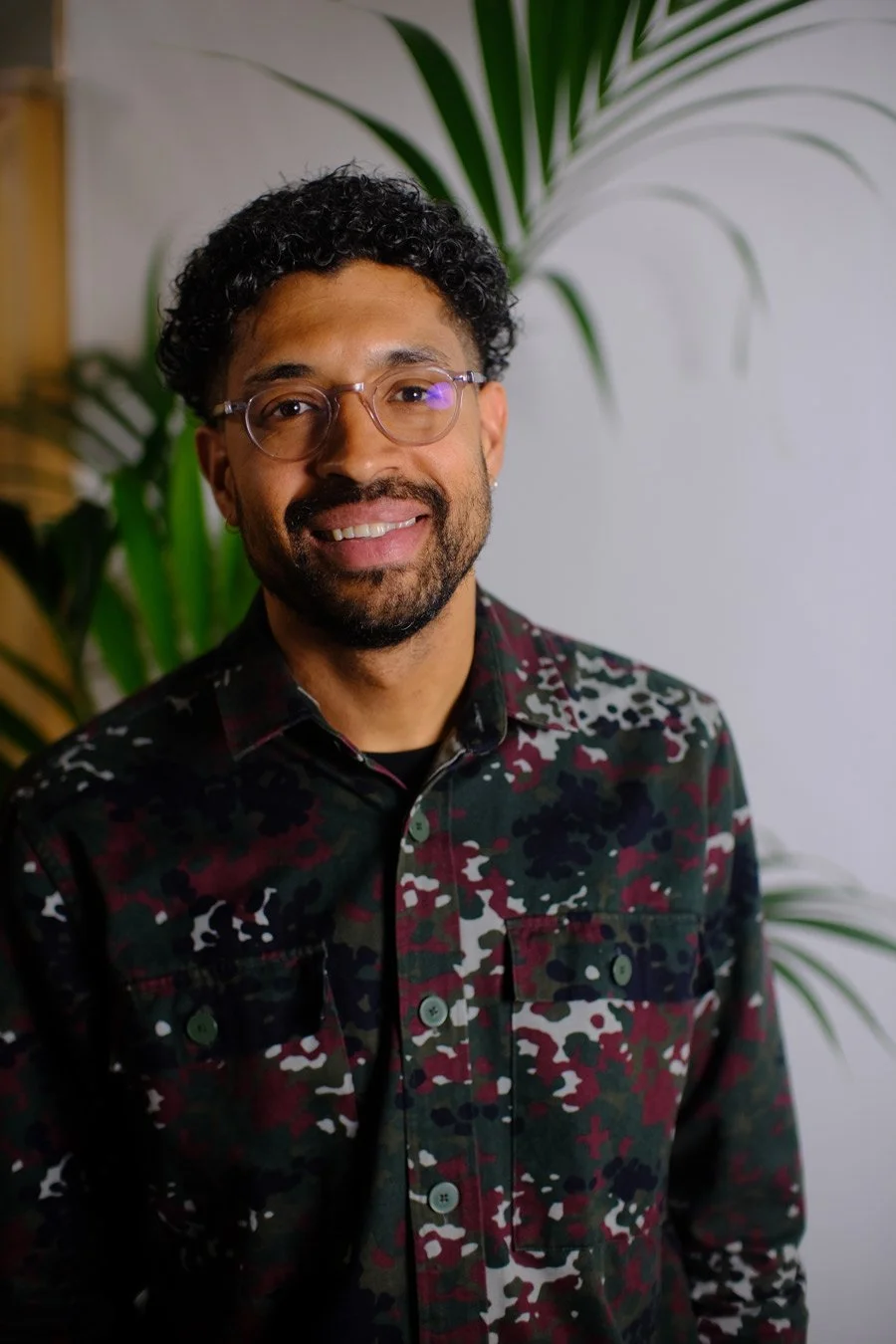
Headshot of Dr Leon Sealey-Huggins
He said the summit had been “quite a successful COP” for the Just Transition movement:
“The media didn’t want to report that fight, because it has implications for Global North countries. Instead, they focused, as they ever do, on fossil fuels, but without thinking about the context within which poorer countries end up emitting them, or the fair shares that richer countries need to take on to allow poorer countries to develop.”
Connecting Birmingham to Brazil
While COP30 was under way, Dr Sealey-Huggins addressed Birmingham climate justice campaigners via video link from inside the conference centre in Belém. Responding to questions from young people at Woodcraft Folk and Friction Art Club, he described the challenges faced by countries such as Jamaica, which remain trapped in cycles of debt repayments, as well as the energy and determination of youth movements at COP.
“There’s a lot of young people here wanting systems change, because they recognise the way the world is organised is going to jeopardise all our futures — especially theirs.”
He emphasised the power of collective action:
“Collective action is the only thing that’s won us any of the rights that we enjoy — that’s why we have a health care service, benefits if you’re unemployed, pensions. To get the support you need for climate action, you need to pair it with action on inequality so everyone has the resources they need to live a dignified and fulfilling life.
We need societies that are fair, that are fun to live in — youth clubs, parks, spaces and ways of coming together.”
Birmingham voices calling for climate justice
Local activists and youth leaders also spoke at events linked to the Cardboard Carnival march from Digbeth to Birmingham Cathedral on 15 November.
Scarlett Westbrook, who co-organised the Birmingham School Climate Strikes in 2019 at age 15 and co-founded Teach the Future, encouraged marchers to stay hopeful:
“Things are not as horrible as the headlines seem. People are getting things done. We’re seeing more climate wins than ever.
It’s only going to get better, because we’re going to keep calling for it. We’re not going to let politicians keep kicking the can down the road.”
Toqueer Quyyam, a long-time volunteer with climate and nature organisations including Birmingham Friends of the Earth, said:
“Compassion and love mean everything. By caring, we become the very human beings that can create that better world.”
John Cooper from the Birmingham Climate Justice Coalition added:
“A sustainable world is one where sustainability is driven by shared responsibility, not profit motives; and where the rights of every person, regardless of geography or background, are guaranteed. This is not idealism — this is a necessity.”
More than 200 people took part in art and music workshops at The Edge arts space or joined the Cardboard Carnival procession to the Cathedral.
For more information, please contact:
Josh Neicho
📧 josh.neicho@localstoryexchange.org
📞 07415 877 375