
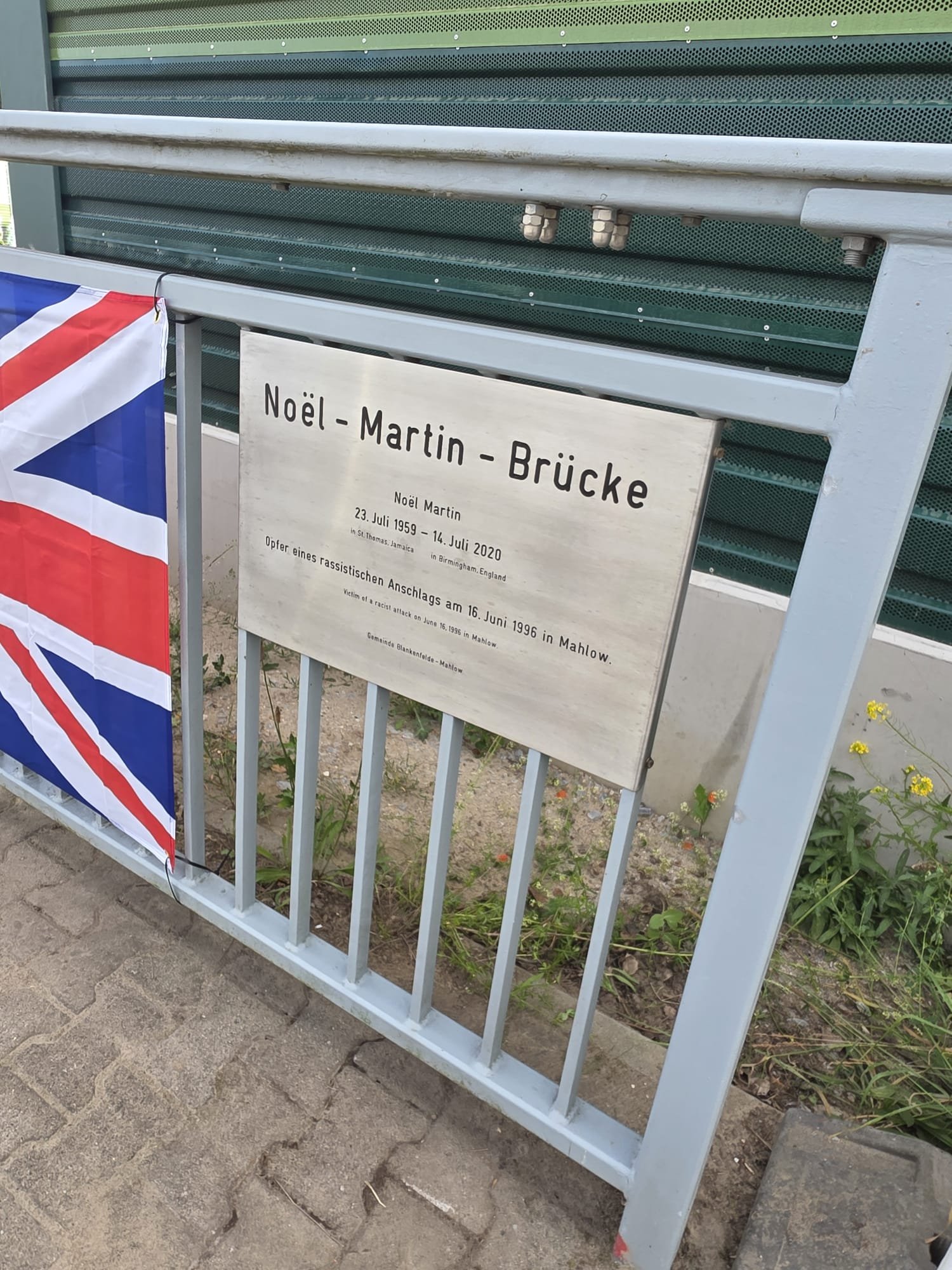
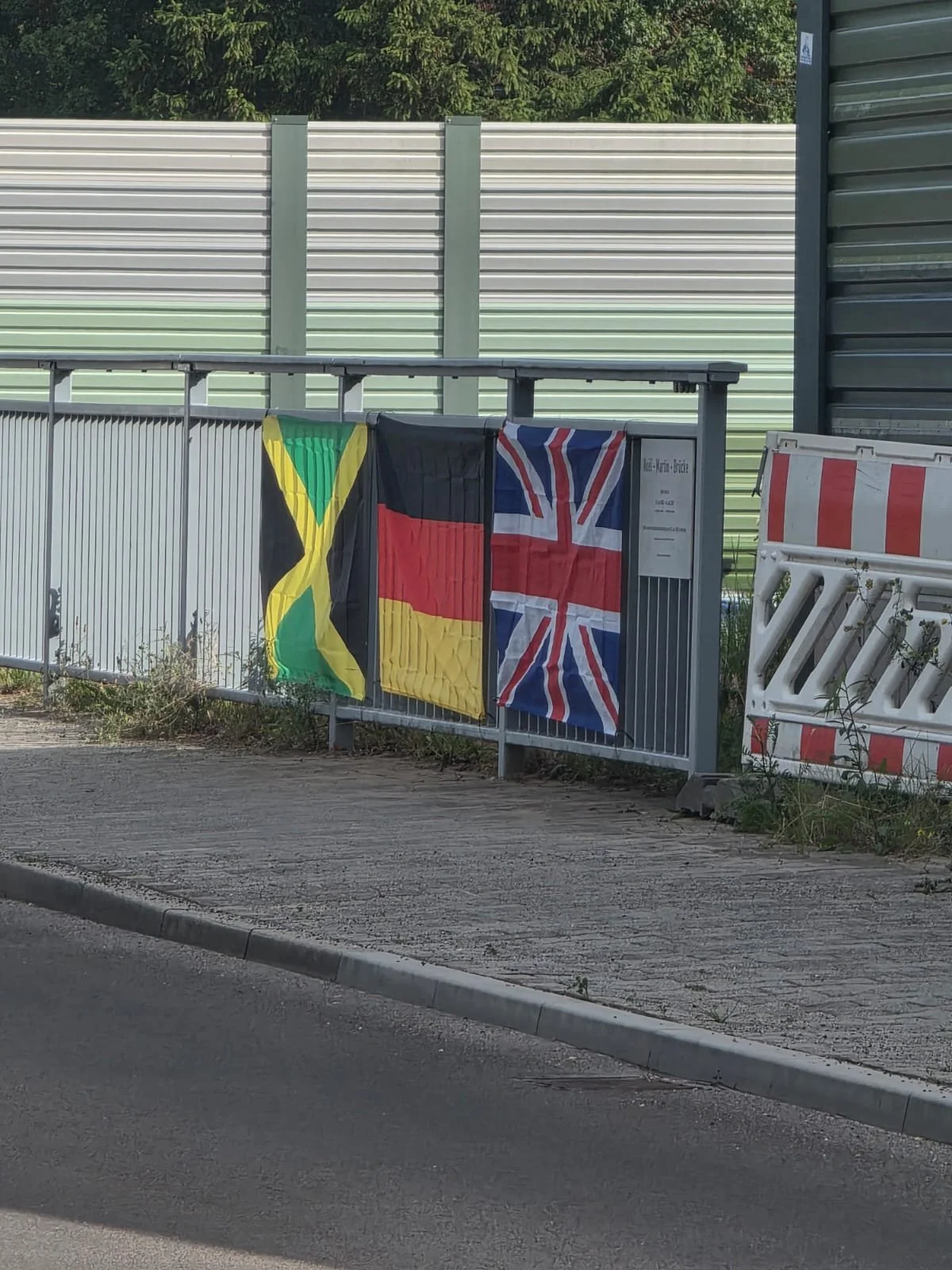
There is a bridge in Germany named after a Black man from Birmingham.
His name was Noel Martin.
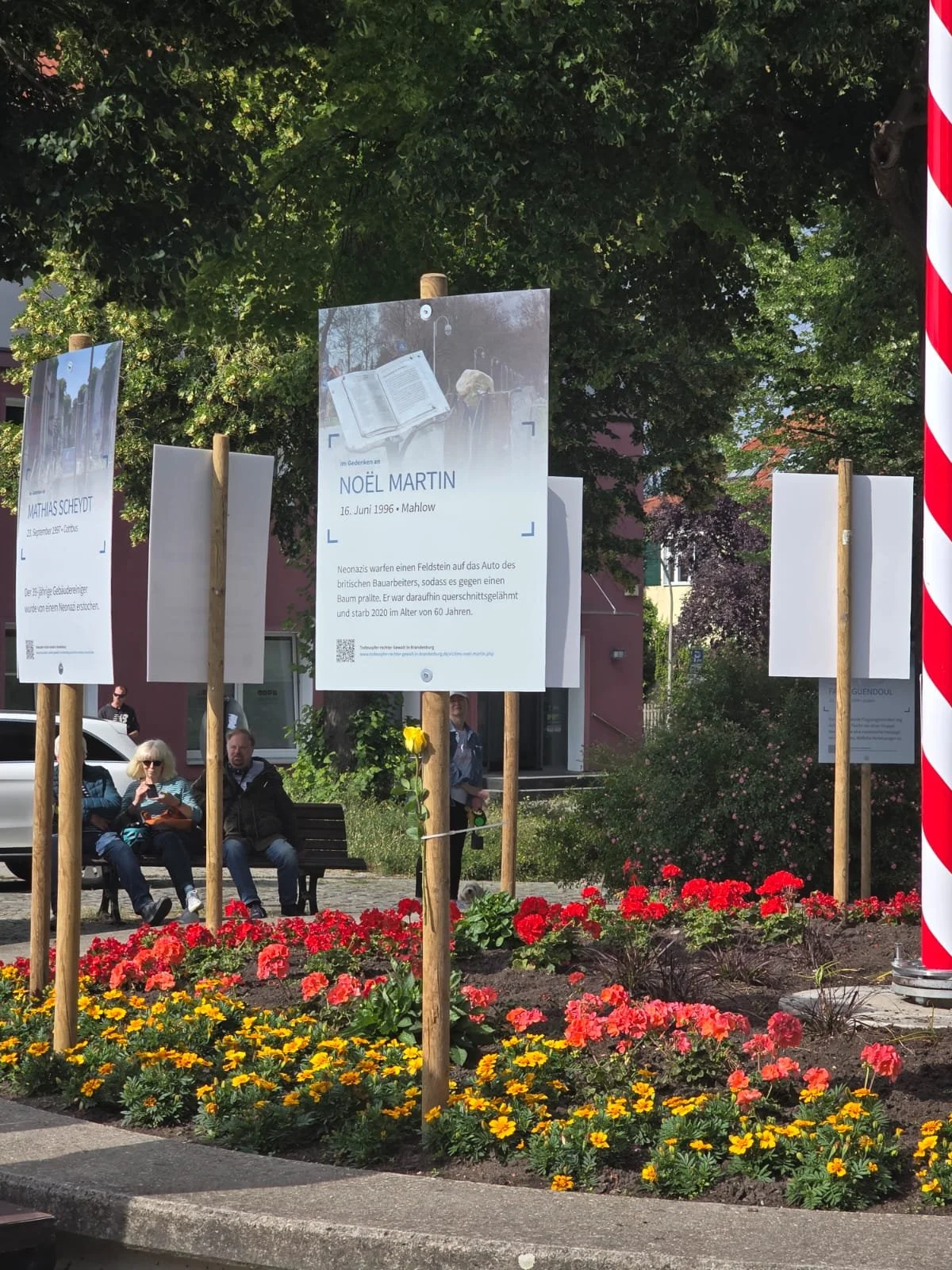
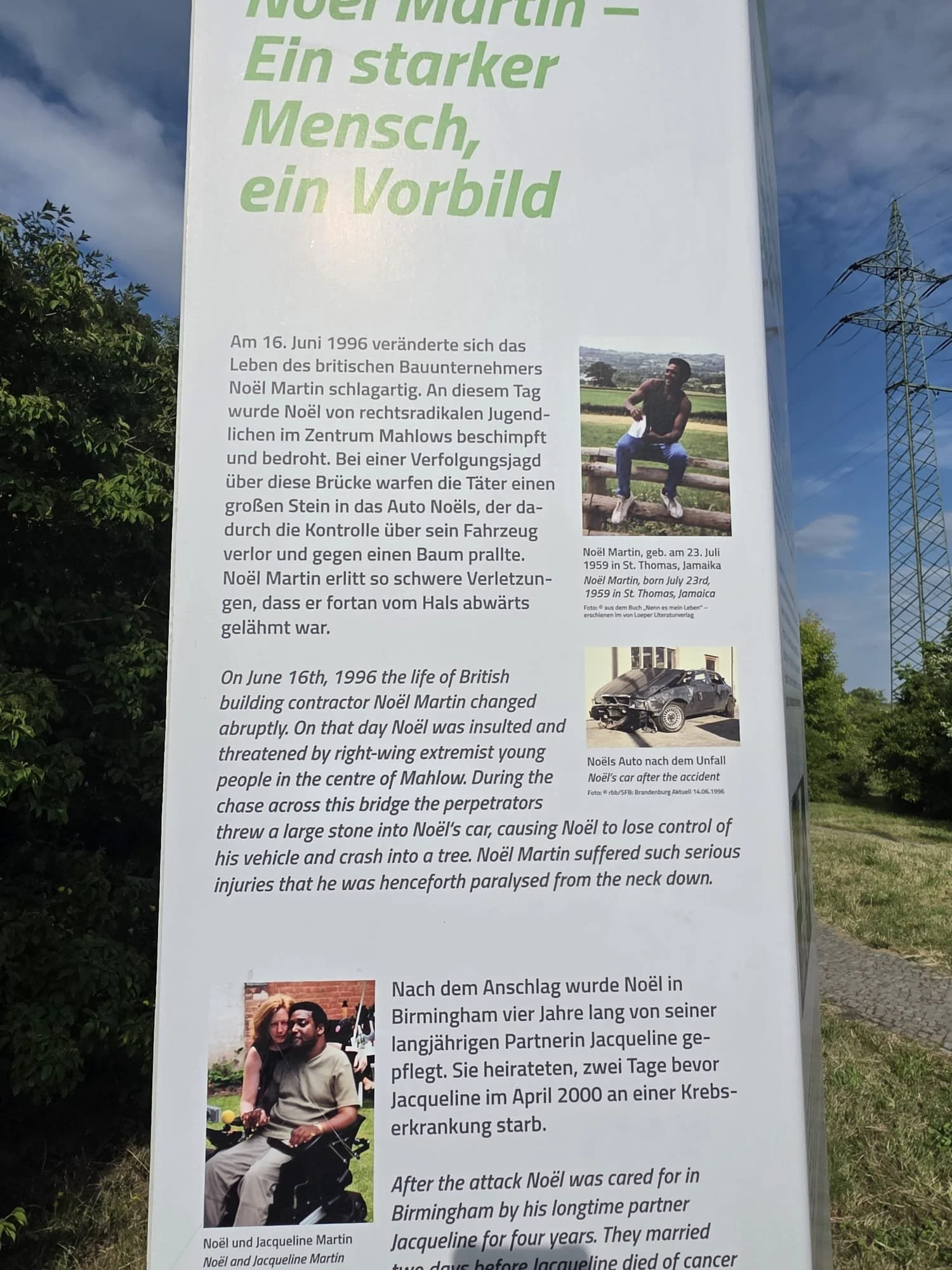
Close to the place where he was subjected to a horrific racist attack in 1996, there is also a permanent memorial telling his story. Every year, on 16 June, people gather to remember what happened to him.
Young people in the area know his name.
And then there is Birmingham.
His home city.
Ask most people here who Noel Martin was, and I suspect the response will be the same as mine was before I met Desta Hall, Sa’btisha Gordon and Christopher Steele.
I didn’t know.
This article is, in part, an attempt to remedy that.
But Noel’s story also raises a wider question about who Birmingham remembers, whose stories become part of the city’s history, and whose remain largely invisible.
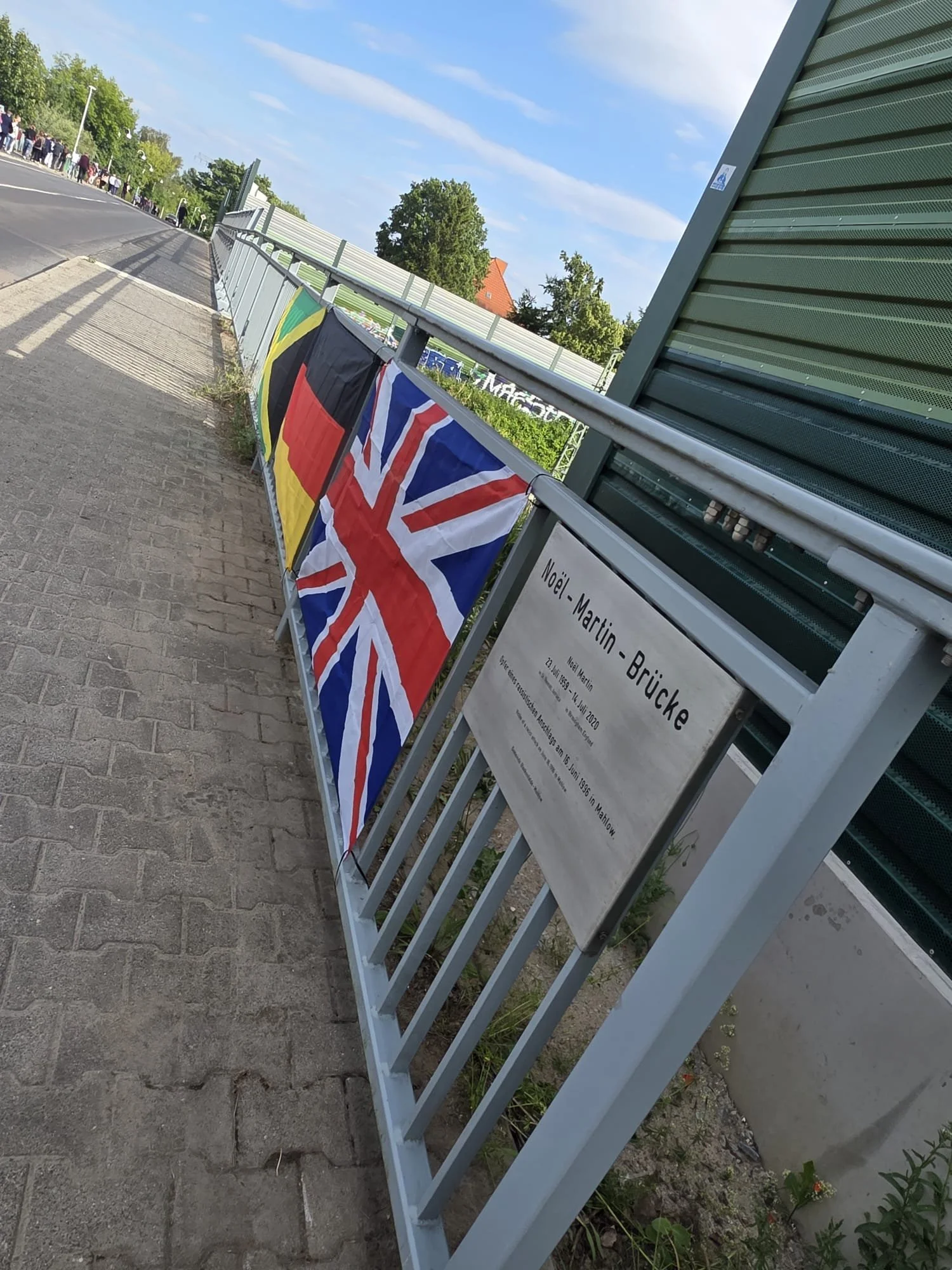
Who Was Noel Martin?
Noel Martin was born in Jamaica and came to Birmingham as a child. In June 1996, he was working in Blankenfelde-Mahlow, near Berlin, when he and two friends were attacked by far-right extremists.
As they tried to get away, a concrete block was thrown at their car. The car crashed. His friends survived, but Noel sustained catastrophic injuries and was paralysed from the neck down.
He was 37 years old.
Noel returned to Birmingham and lived with the consequences of the attack for the rest of his life. He died in 2020.
But something else followed that attack.
In Blankenfelde-Mahlow, people decided that what had happened to Noel should not be forgotten. Local government and community activists came together, and the Noel Martin Foundation was established. Its work was rooted in remembering Noel, confronting racism and bringing young people from Germany and Birmingham together.
Nearly thirty years later, that relationship continues.
Building Relationships Between Birmingham and Germany
The first youth exchange took place in 2018. Desta became involved the following year, after youth workers from Blankenfelde-Mahlow visited her youth centre and invited her to take part.
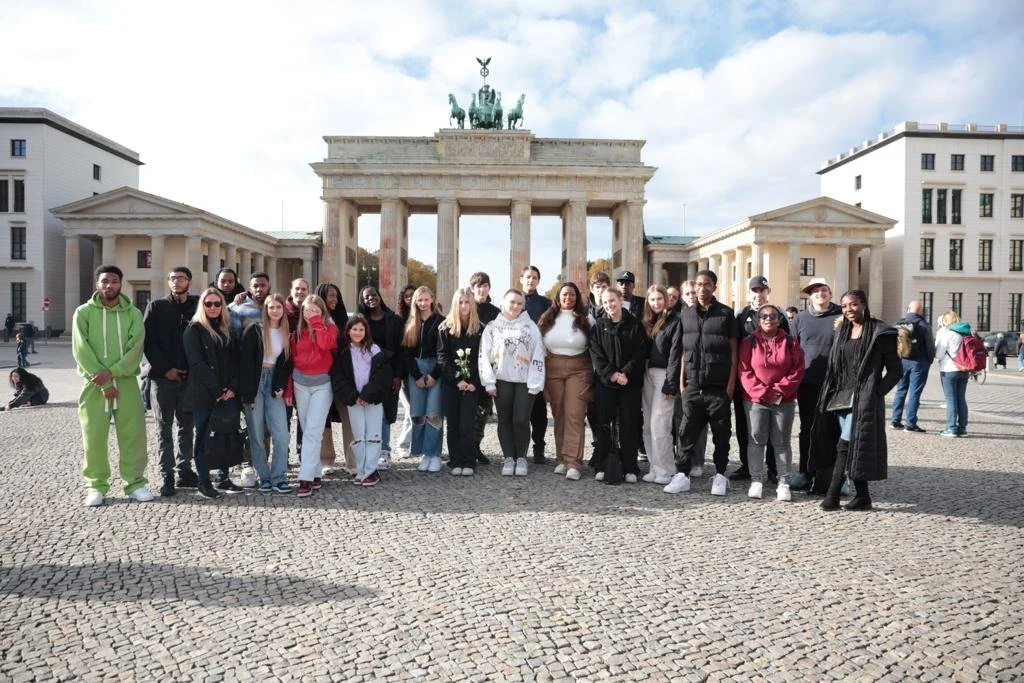
The pandemic delayed the next stage of the programme, but the exchange resumed in 2022, when 22 young people and four staff travelled from Germany to Birmingham.
Purple R Diamond subsequently became the lead delivery organisation for the UK side of the exchange, with Desta and Christopher joining as volunteers. The organisation itself had begun in 2012 as a dance initiative. Sa’btisha closed it in 2018 when she realised that dance was no longer her passion, but the work with young people most certainly was.
She relaunched Purple R Diamond in 2021 with a broader purpose: helping young people to aspire, believe and become the best versions of themselves through mentoring, workshops, training and outreach.
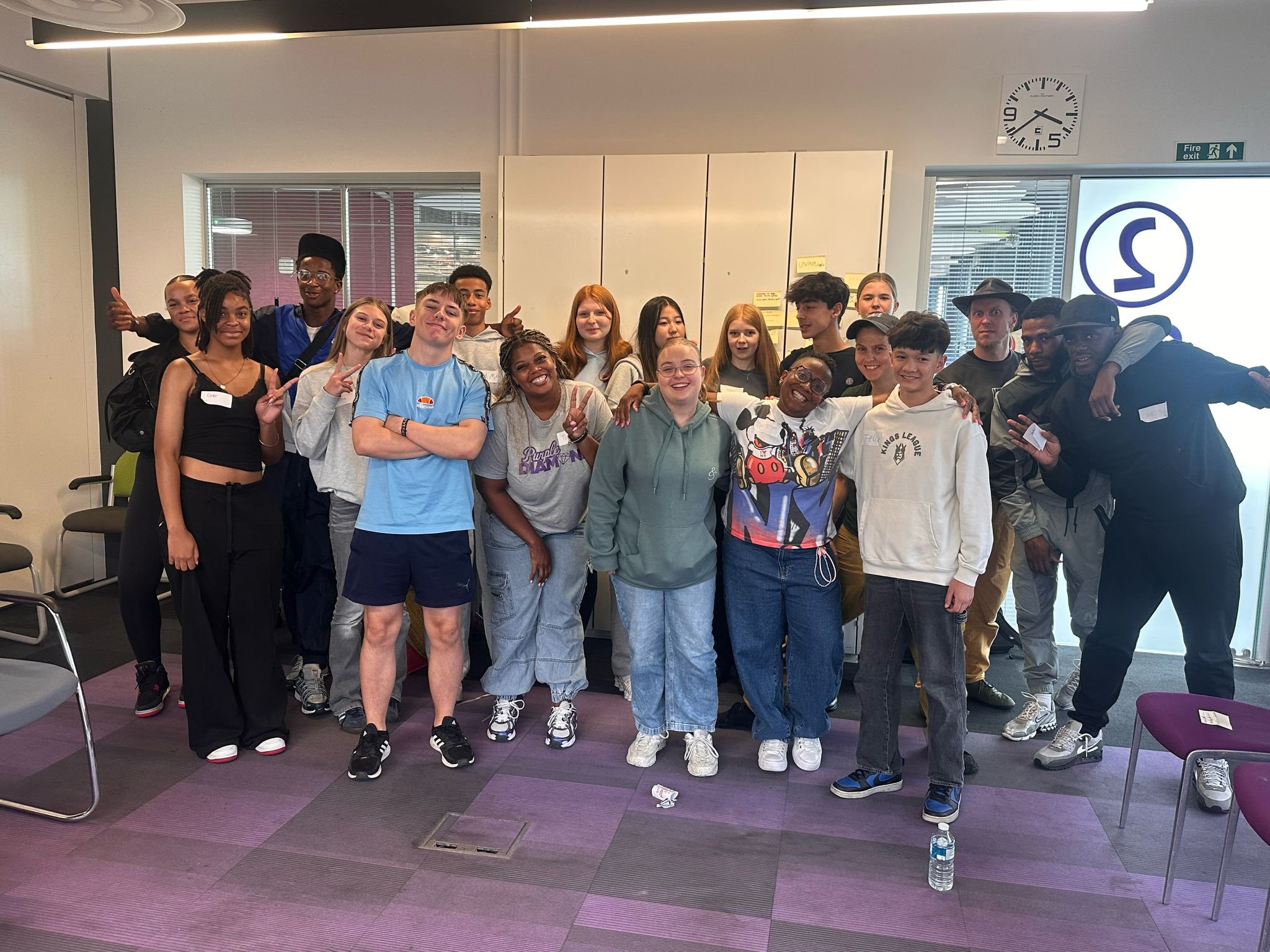
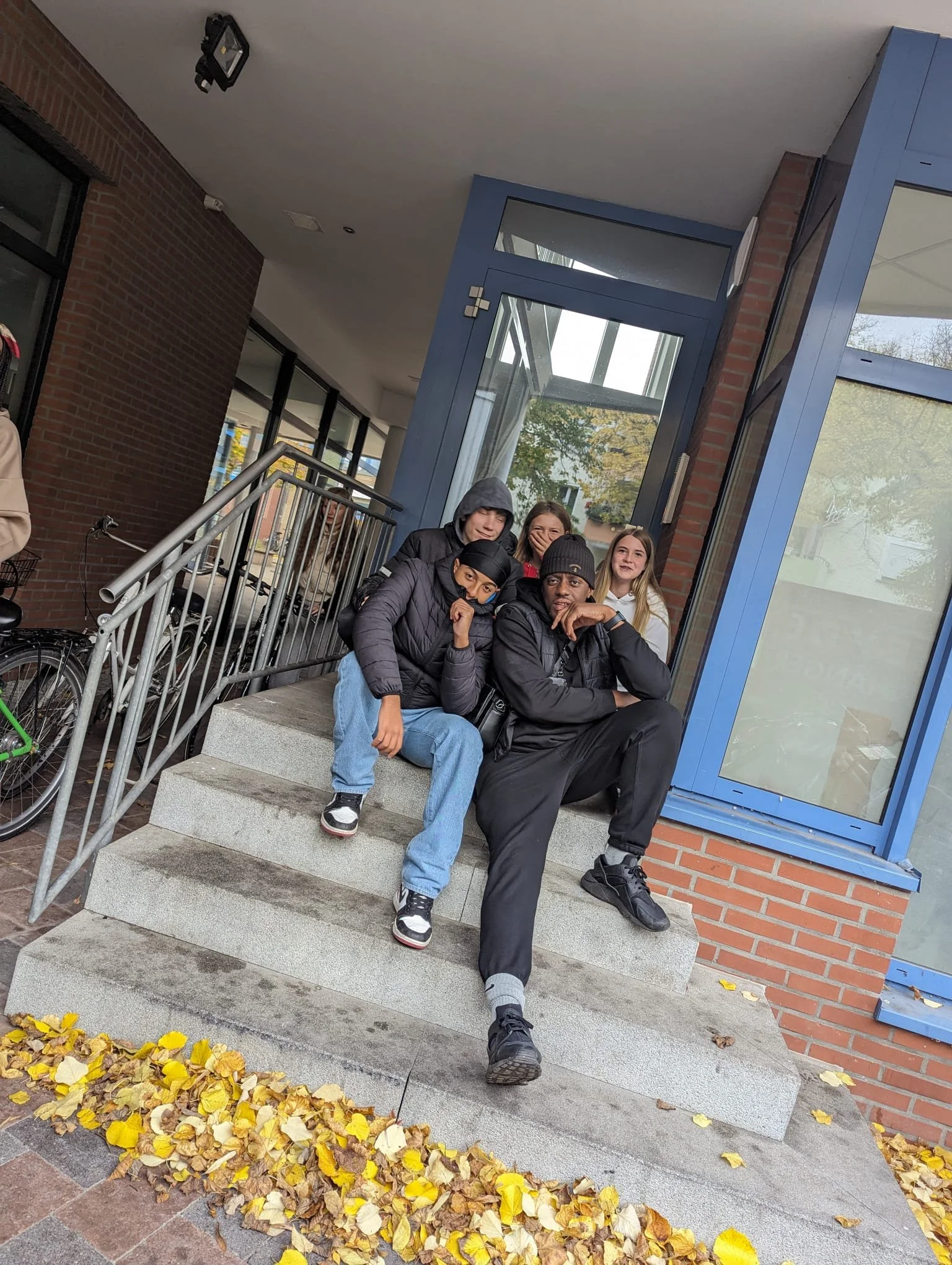
The Birmingham-Germany exchange brings together young people aged 13 to 18. They do far more than visit another country. They explore unfamiliar places, use public transport, take responsibility and form relationships with people who may not share their language or assumptions.
Desta described watching the young people teach one another slang and swear words as they found their way past the awkwardness of language. They also began unpicking the stereotypes each group held about the other’s city.
What mattered was not a carefully managed conversation about difference, but the ordinary business of spending time together and discovering one another as people.
Food became part of that connection. During one visit, the Birmingham group cooked a vegetarian Saturday soup outdoors over an open fire, with young people preparing the dumplings and vegetables together — and, Christopher was keen to add, with their own seasoning brought from Birmingham.
In return, they tried the German staple of bread wrapped around sticks, toasted over the fire and eaten with Nutella.
What Difference Is the Project Making?
The most compelling evidence is found in the young people themselves.
Some had never travelled outside the UK before joining the exchange. Some of the earliest participants have now become peer leaders, gaining experience of responsibility, teamwork and leadership at a time when too many young people in Birmingham are struggling to find routes into work and opportunity.
Sa’btisha spoke about one young man who joined the programme after being excluded from several schools and largely written off. The team continued to give him opportunities and to show that they believed in him.
He has since passed every one of his GCSEs. When he came back to tell them, his message was simple:
“Thank you for believing in me.”
It would be easy to treat that as a heart-warming individual story and move on. But it tells us something more important.
Young people do not flourish simply because we tell them to be resilient. They flourish when adults and organisations create the conditions in which they can belong, contribute, take responsibility and be seen differently.
The project does not just expose young people to another country; it changes what they are able to imagine about themselves and one another.

Sustaining the Work
The project is also sustained by a level of personal commitment that cannot be underestimated.
The Noel Martin Foundation has funded the core exchange and travel from Germany, but the Birmingham team have frequently contributed their time without payment. Desta and Sa’btisha have also paid for activities, food and local transport when young people from Germany have visited Birmingham.
Their dedication is remarkable. It is not, however, a sustainable funding model.
If Birmingham believes this work matters, it cannot continue to depend on a small organisation and a handful of committed people absorbing the cost. Building a UK funding base, creating paid opportunities for young people and giving the programme the infrastructure it needs are now pressing priorities.
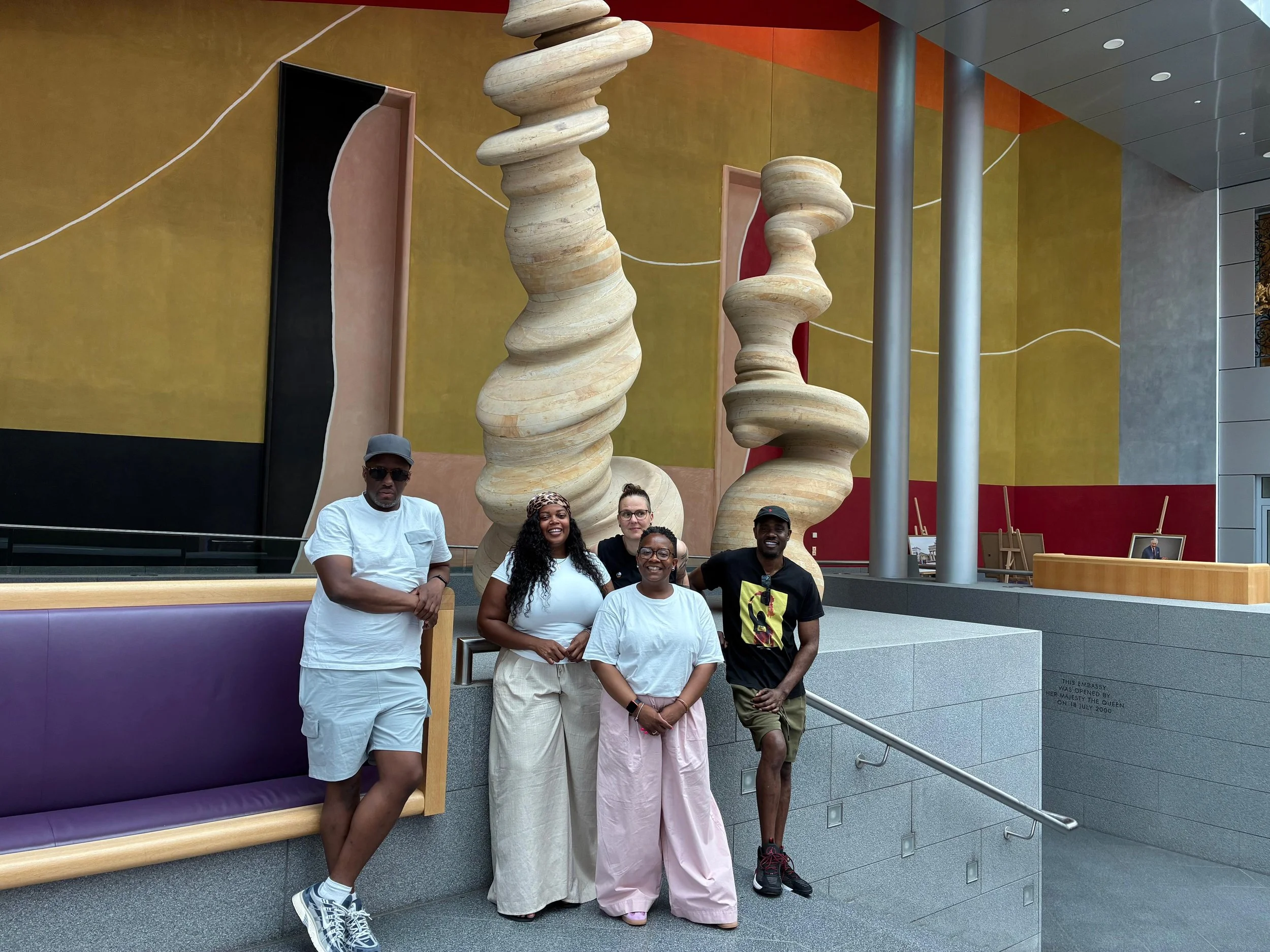
A smaller group is due to return to Germany in October, where they will take part in a Black History Month event at the embassy and plant a tree to mark the visit.
The ambition is not simply to keep the exchange going, but to develop Purple R Diamond’s growing work on equality, diversity and anti-racism and to widen the opportunities available to young people.
How Should Birmingham Remember Noel Martin?
When I asked what meaningful recognition in Birmingham might look like, the ideas came quickly: a landmark or memorial space in the city centre; a mural; an exhibition of work by Black Birmingham artists responding to Noel’s life and legacy; a connection with Windrush Day, which falls close to the anniversary of the attack; and the inclusion of Noel’s story in Black Heritage Walks in Handsworth, subject to the family’s agreement.
Each idea has merit.
But the most important starting point is surely that Birmingham learns and tells the story.
In Germany, Sa’btisha said, young people’s ears prick up when they hear Noel Martin’s name. In Birmingham, most people simply say they have never heard of him.
Remembering Noel should not mean fixing him forever at the moment of racist violence.
His legacy is also present in the friendships being built, the stereotypes being challenged and the young people learning to lead. As Desta put it, these connections are “the building blocks for the future”.
That is why this story matters to BRIG.
It brings together memory, culture, young people’s civic power and the practical work of moving beyond racism. It also reminds us that change does not always begin with large institutions or large budgets.
Sometimes, as Christopher said, a small organisation plants a seed and starts the mechanism.
The question for the rest of the city is whether we notice, value and help it grow.
What Happens Next?
BRIG will continue conversations with Desta, Sa’btisha and Christopher about how we can support the work.
This includes exploring the use of BRIG Café as a space for an exhibition and conversations with young people, and considering how young people connected to the Noel Martin Project might contribute to Birmingham’s wider Beyond Racism work and the city’s vision for Birmingham to be the best place in Europe for young people.
This article is a beginning rather than the final word.
We hope it encourages more people across Birmingham to learn Noel Martin’s name, understand what grew from the violence he experienced, and help ensure that his living legacy is recognised in the city he called home.