
Making history at the BRIG Café: first Black & Diverse Safeguarding Professionals Awareness Day
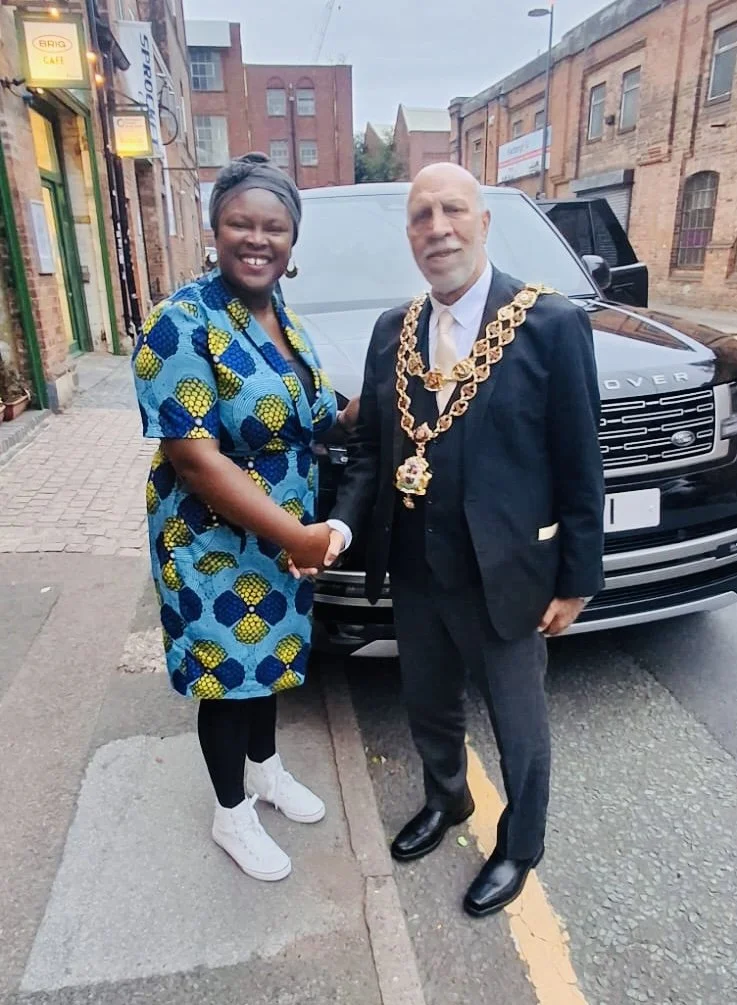
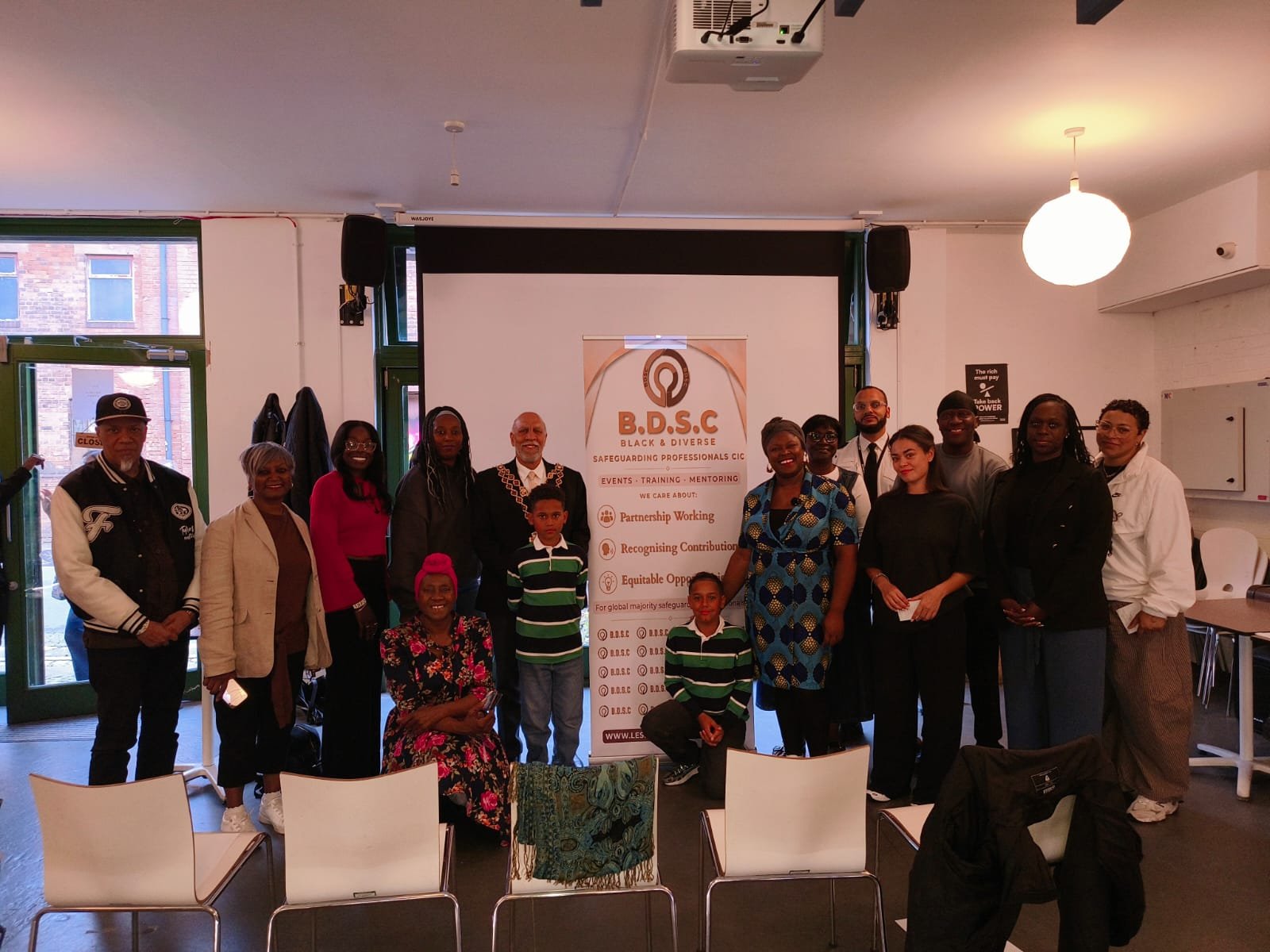
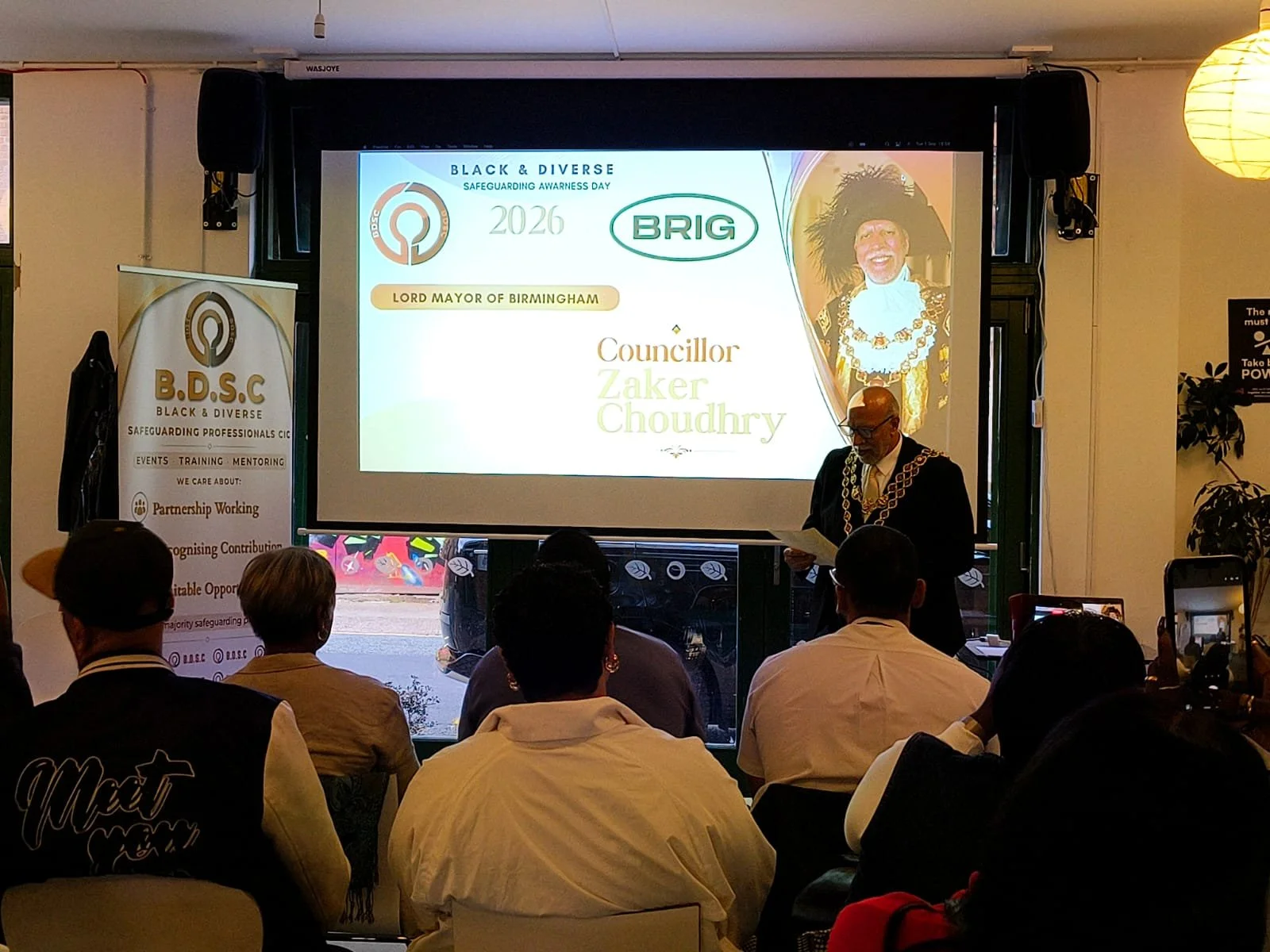
On Tuesday 1 September, the BRIG Café hosted the launch of the UK’s first-ever Black & Diverse Safeguarding Professionals Awareness Day, bringing together professionals from across safeguarding, social care, policing, health and other sectors to recognise their contribution and confront some of the inequalities they continue to experience at work.
The Awareness Day was created by Le’Siran Edwards, founder of Black & Diverse Safeguarding Communities (BDSC), which she established in 2024 after recognising that the experiences she was encountering in her own professional life were far from unique.
Through her work in social work and coaching, Le’Siran said she kept hearing similar stories: Black and Global Majority professionals feeling overlooked, experiencing racism, struggling to progress and feeling they had to work harder to demonstrate their value.
Eventually, she said, it became impossible to see these simply as individual experiences.
“These cannot all be individual experiences. There’s something bigger that is happening, and the evidence tells us that too.”
That evidence formed an important backdrop to the evening. Le’Siran pointed to continuing racial disparities across social care, policing and the NHS, the very institutions in which people are working every day to care for, protect and safeguard others.
But the evening was not simply about describing the problem.
The theme of the inaugural Awareness Day was Mobilise, an invitation to move from recognising inequality to doing something about it.
“Mobilising can start small,” Le’Siran told those gathered. “One conversation, one person, one practice challenged, one organisation deciding to do something differently.”
That message was echoed by the Lord Mayor of Birmingham, Councillor Zaker Choudhry, who thanked Black and diverse safeguarding professionals for the care and support they provide to others, while reminding organisations that those who care for others also need to be cared for.
“No one should go to work and feel that their race means they are heard less, respected less, or given fewer chances,” he said. “Talking is a good start, but talking is not enough. We have to act.”
The evening also created space to remember Professor Jason Arday, whose recent death has been deeply felt by Le’Siran and many others. With the support of Professor Arday’s family, Le’Siran announced that she is working with BRIG and others to curate a Birmingham event responding to his death and reflecting on his contribution and legacy.
For Le’Siran, his legacy connects directly with a question at the heart of the Awareness Day: what weight are Black, Asian and racialised professionals being asked to carry simply to do their jobs and succeed within our institutions?
BDSC itself has grown from an idea into a national network, with conferences, ambassadors and now its own National Awareness Day.
As Le’Siran reminded everyone gathered at the BRIG Café:
“Today is history, and you are part of it.”
The event also heard from Roy Pinnock of Dragonfly Counselling & Wellbeing, who spoke about the importance of Black and Global Majority professionals acknowledging and making space for their own feelings so they are better able to support others. BDSC ambassadors Letitia John and Karylle Phillips shared what Mobilise means to them, while Sergeant Jonathan Benjamin reflected on his experiences as a Black police officer.
Participants were also invited to turn the evening’s conversations into action, working together to explore possible solutions and making a personal pledge about something they would take forward beyond the event.
For BRIG, we were delighted that the Café could provide the space in which that history was made and we look forward to continuing to work with BDSC as the conversation moves from awareness to mobilisation and action.
Website: www.lesiranedwards.com/bdsc