
Many people will have been heartened to see Raise The Colours being prevented from crossing the Channel to harass migrants on French beaches. Unfortunately, what was good news for France turned out to be Birmingham’s misfortune.
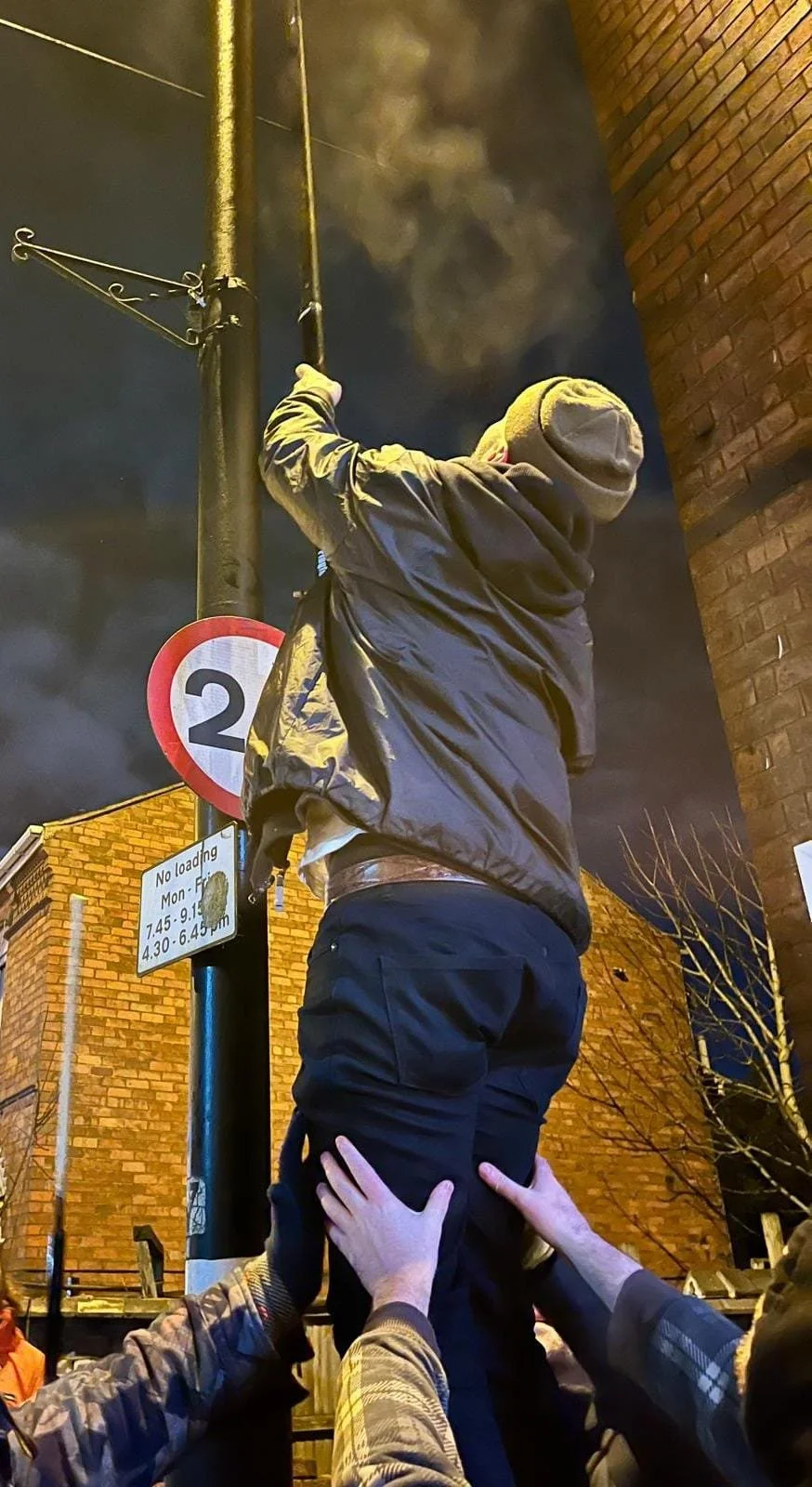
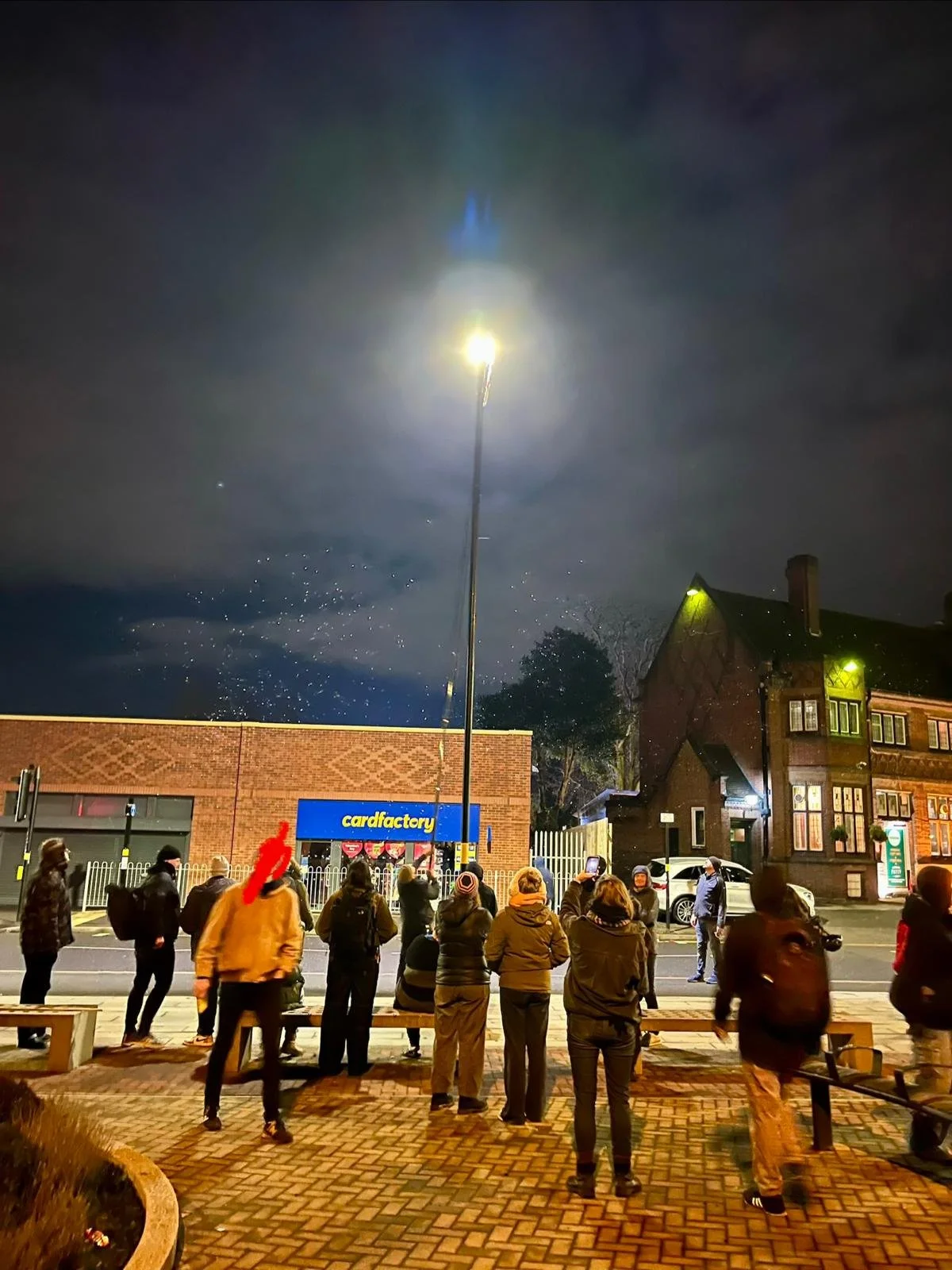
Last week, with time on their hands, the Barnt Green flaggers were back in Brum lining Stirchley high street with dozens of union jacks and England flags. Two for every lamppost for good measure. This week it was Moseley’s turn.
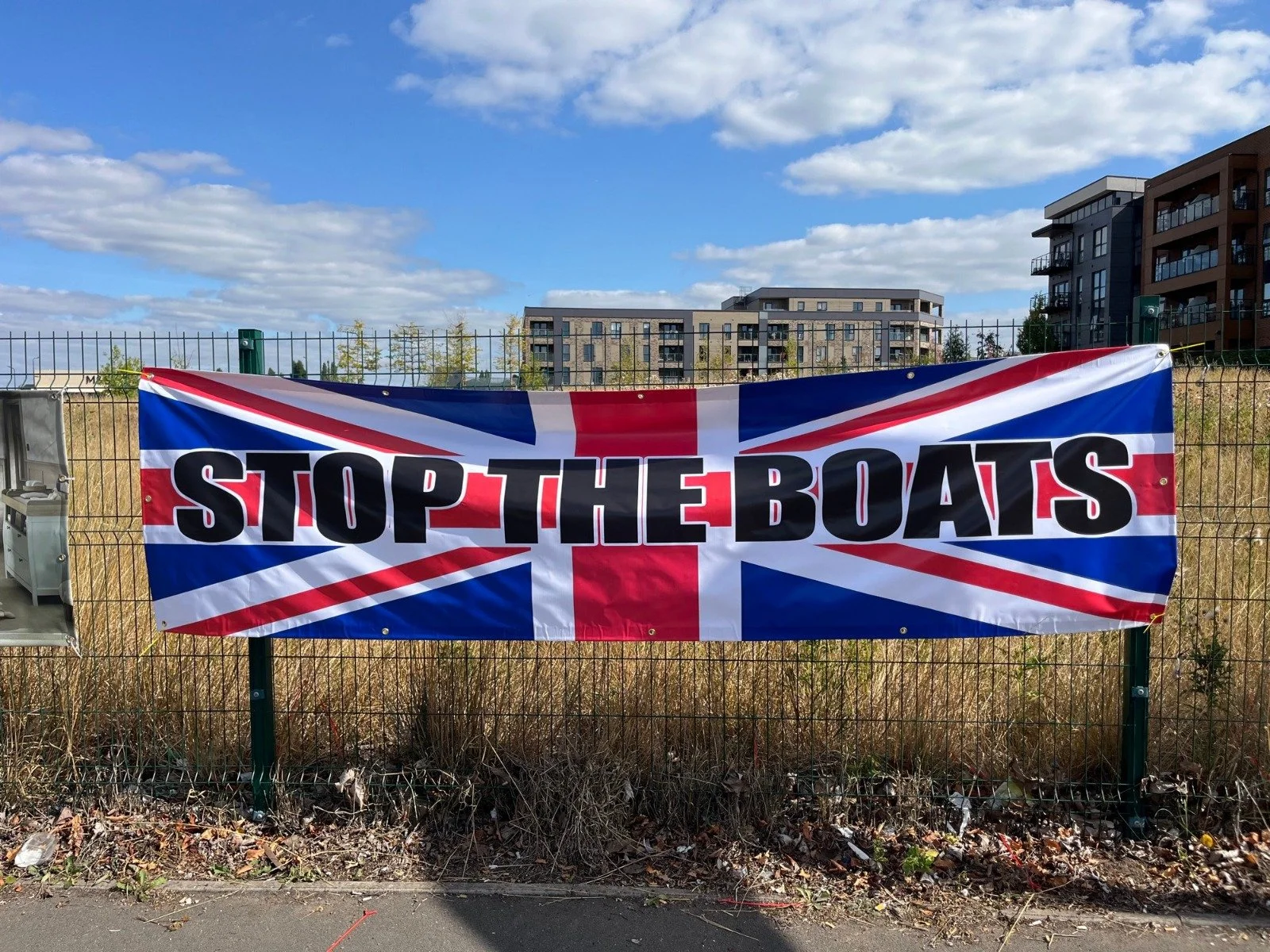
As ever, the flagging is accompanied by a growing anxiety in communities that have a long history of diversity and tolerance. For many these flags are a warning: a signal about who is seen to belong, and who does not.
Raise The Colours would beg to differ of course. But a recently published YouGov survey suggests that “the British public tend to think flags are being raised primarily as a way of expressing anti-migrant or anti-minority sentiment” (1).
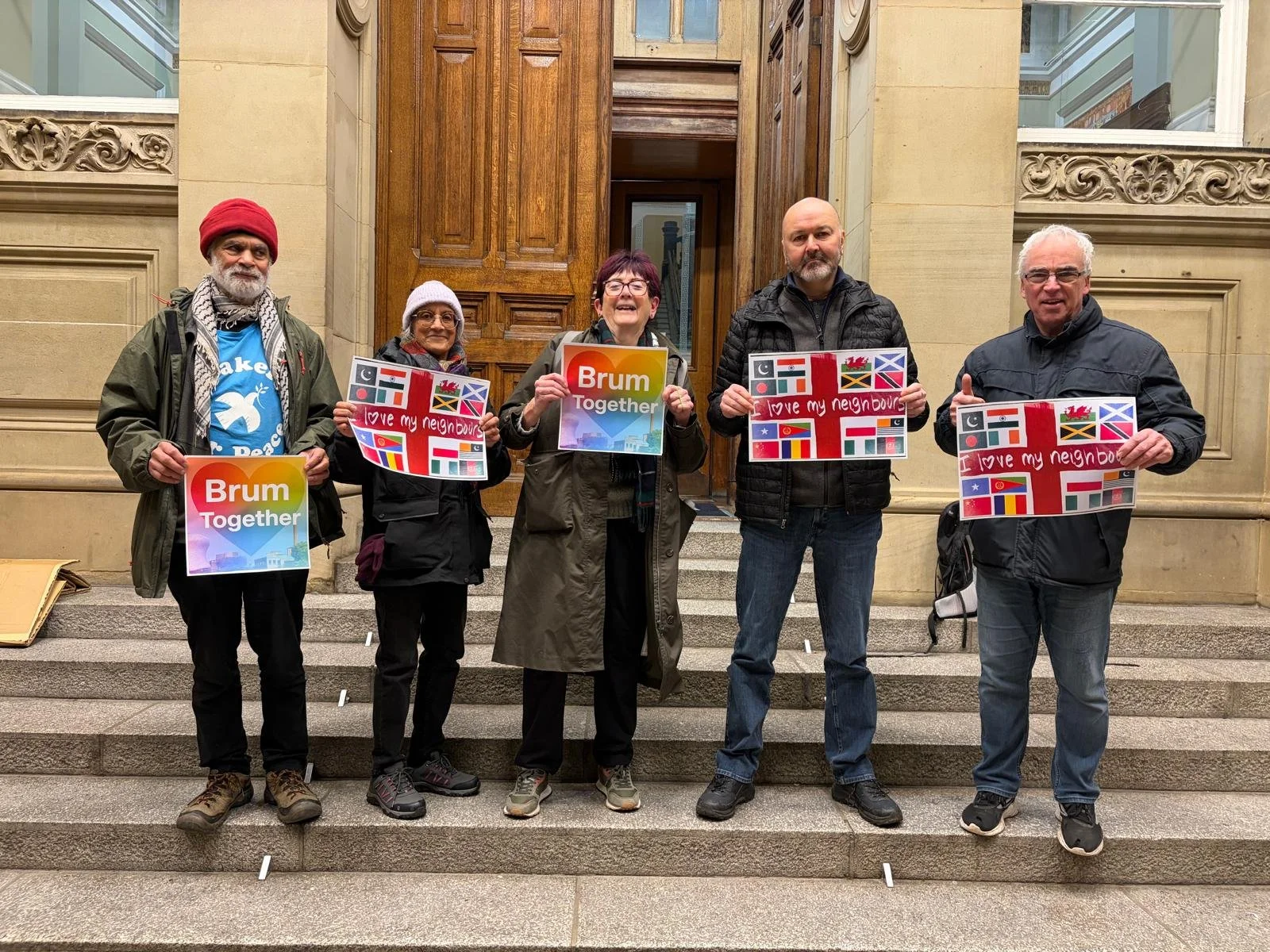
Brum Together was formed last year by friends and neighbours from across the city. The group came together to oppose the saturation of our communities with nationalist flags and to share support and ideas. We published a public statement and invited people to sign and share it (2). Hundreds of Birmingham residents have done so.
On Tuesday 27 January, a delegation from Brum Together attended the Birmingham City Council meeting to raise our concerns directly with councillors.
We did so through the Council’s Public Question process, a rather formal, stilted ritual as it turned out. Members of the public are allowed one minute to read out a pre-submitted question, which must first be approved by the Council’s legal team. A nominated councillor is then given two minutes to deliver a prepared response.
For the January meeting, Public Questions had been moved from the beginning to the end of proceedings. We were told this was to make it easier for working people to attend. In practice, council staff explained on the day, that the real motivation was to limit disruption following repeated protests in the public gallery.
Anyway, we read out the following question:
“Over 300 Birmingham residents have signed the Brum Together statement, expressing concern about the growing number of national flags appearing across our city. Many of those signing have left heartfelt messages declaring their love for a diverse and welcoming city and their fears that this is changing.
The flags are presented as expressions of national pride, and many people in Birmingham see the flags as just this. But it has been extensively reported in the media that those leading the ‘raise the colours’ campaign are part of a far-right, racist movement that is characterised by hatred towards migrants and Muslims.
With the recent rise in racially motivated attacks, many people are asking if Birmingham is still a welcoming and tolerant place. People who have objected to the flags have been threatened and intimidated.
Will the Council acknowledge that this is not simply a road safety issue but a political issue that threatens community safety and cohesion. Will the council explain what it is doing to ensure that Birmingham remains an inclusive, diverse city in which everyone feels safe, welcome, and proud to belong.”
The question was answered by Jamie Tennant, the Cabinet member for Social Justice, Community Safety and Equalities. Councillor Tennant also serves Weoley and Selly Oak Ward, an area divided by the flagging issue.
He said:
“I very much recognise and join in those concerns raised by residents who have signed the statement.
Many people care deeply about Birmingham, and value our great reputation as an open, diverse and welcoming city. When people feel this is changing, we should always take that seriously.”
He talked about celebrating Birmingham’s ten years as a City of Sanctuary. He said:
“Next month I will be taking a report to cabinet to update that strategy and reaffirm our commitment to working with partners to ensure that every resident feels safe, welcome and proud to belong in our city.”
Councillor Tennant went on to say:
“Unauthorised attachments, including flags, do have an impact on how people feel safe and welcome in their neighbourhoods. Residents feel intimidated or marginalised, and the council recognises that is a community safety and cohesion issue, not merely a technical one.”
He also said that any threats or intimidation should be reported to the police.
He insisted that:
“The council is taking action to remove flags in line with policy and the existing contract we had. We are prioritising areas where there is a clear health and safety risk and road safety risk, and where there is evidence of considerable wider community impact.”
Read the rest of this article here…