
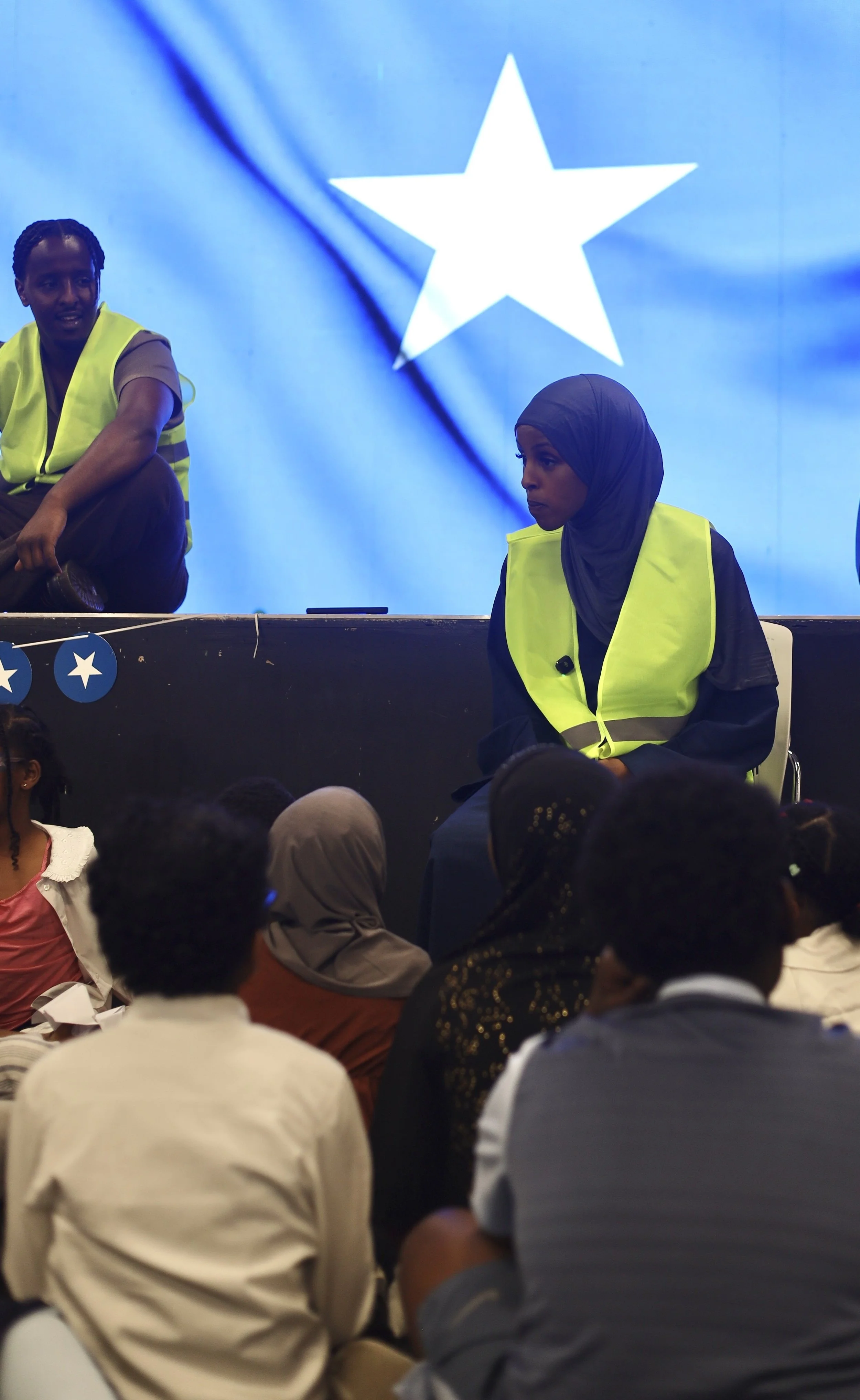
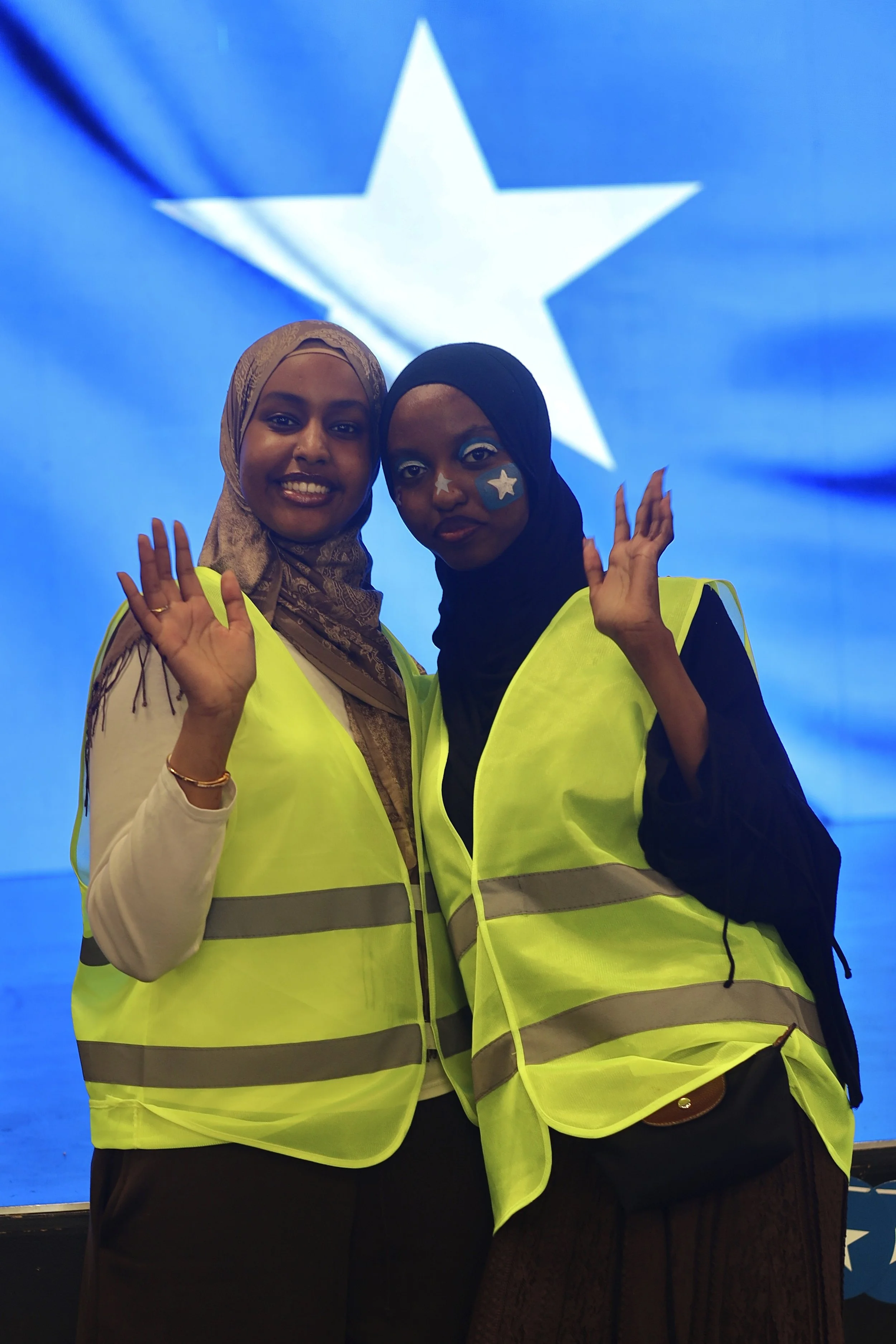
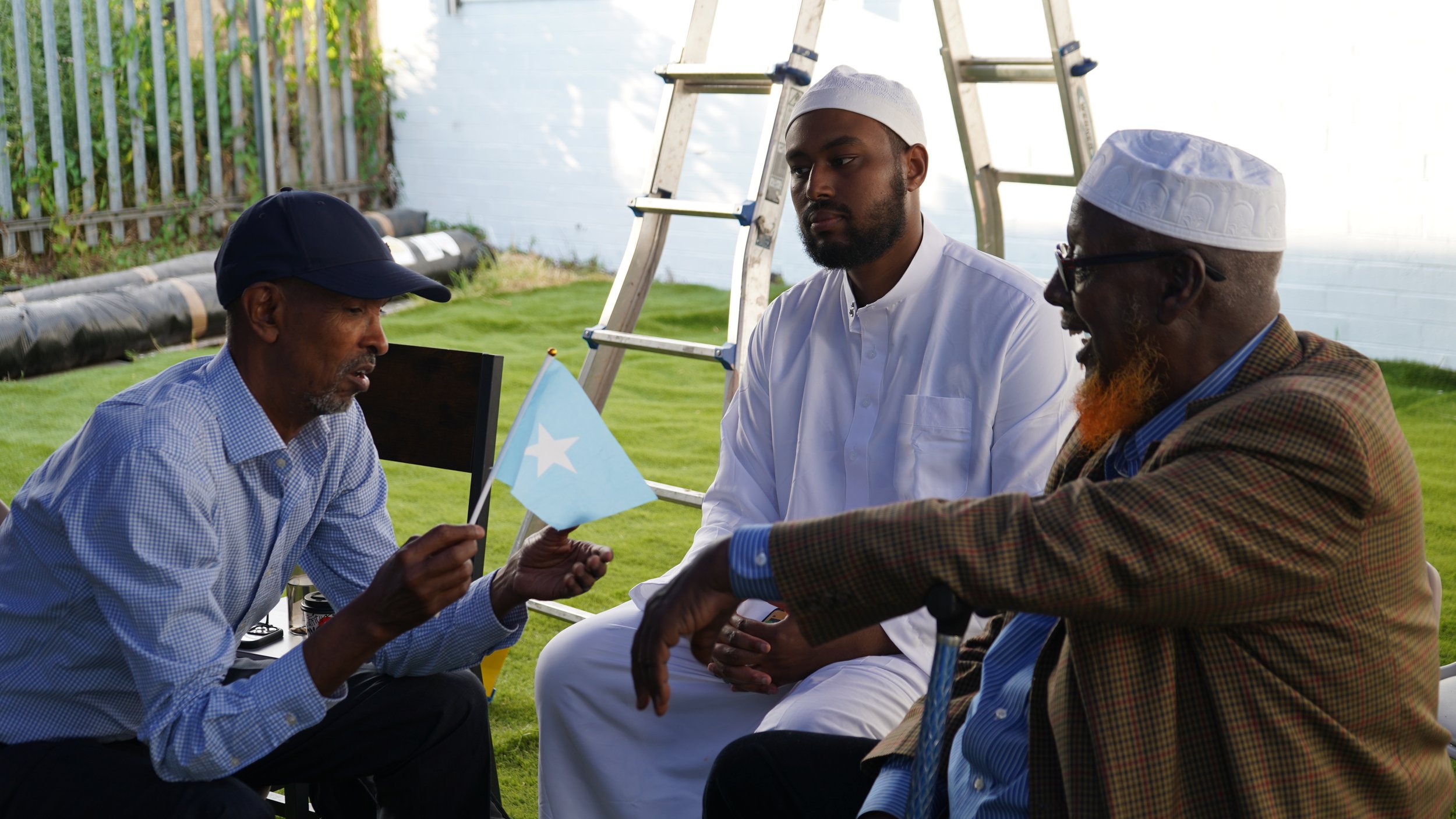
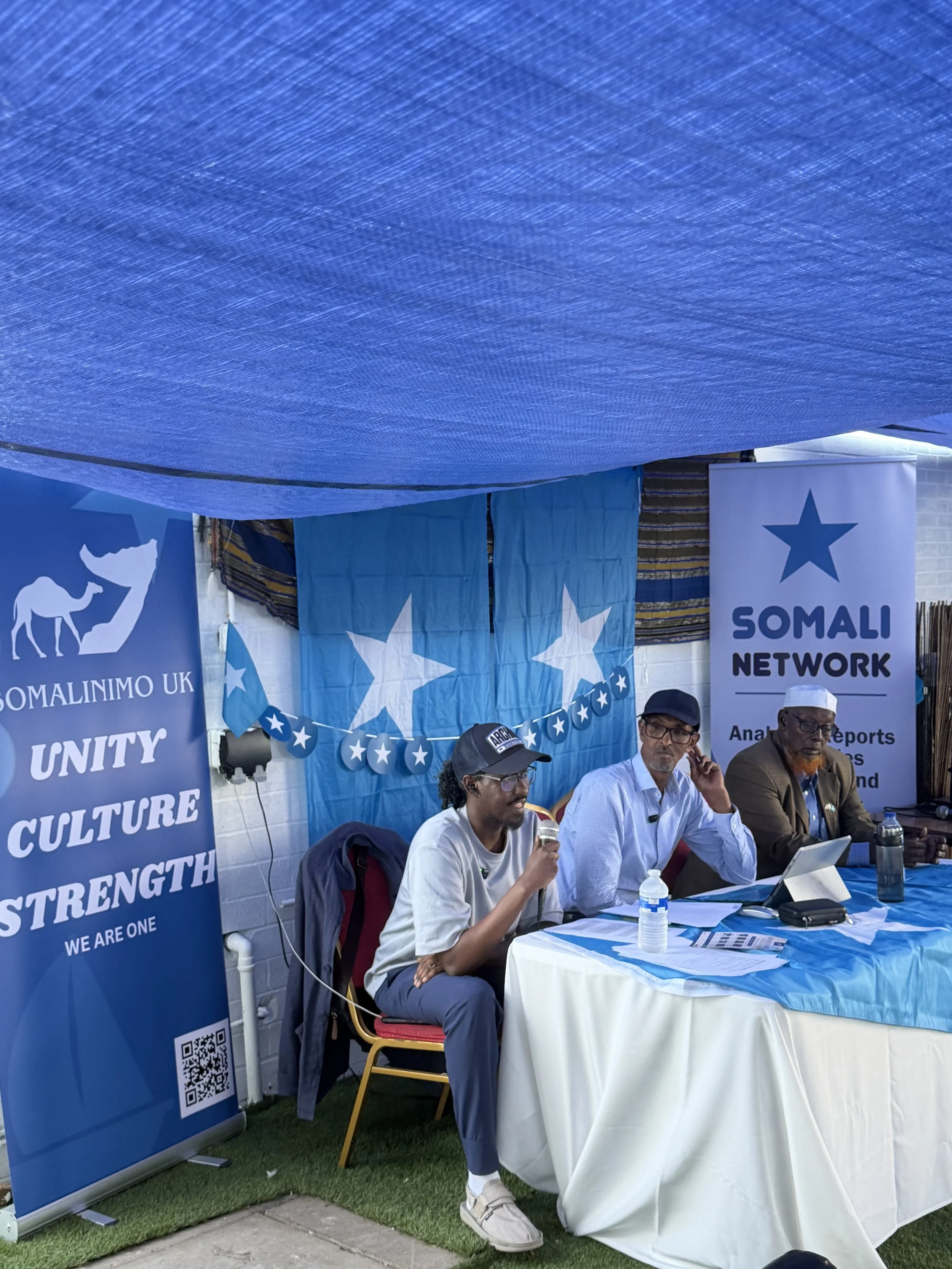
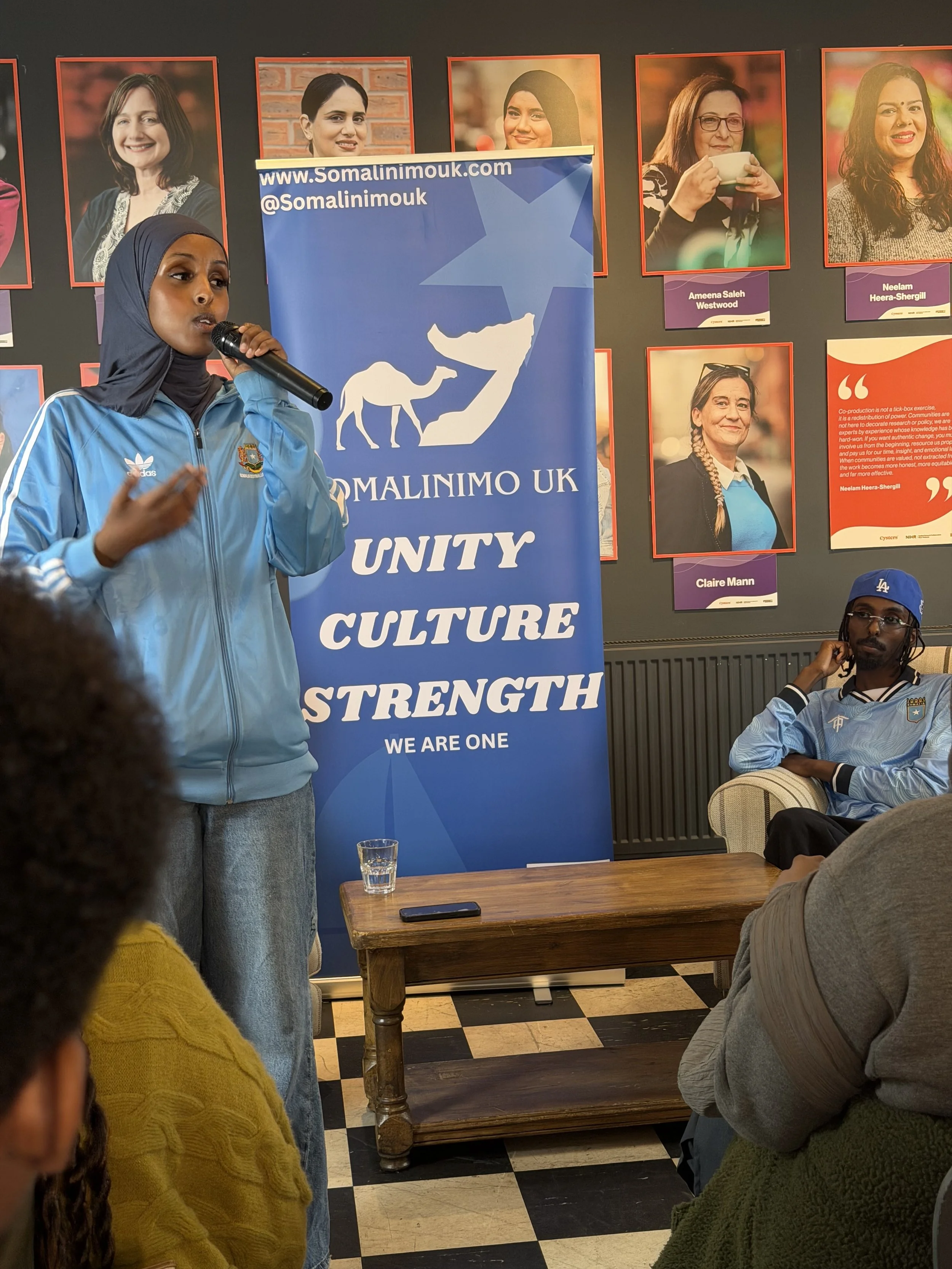
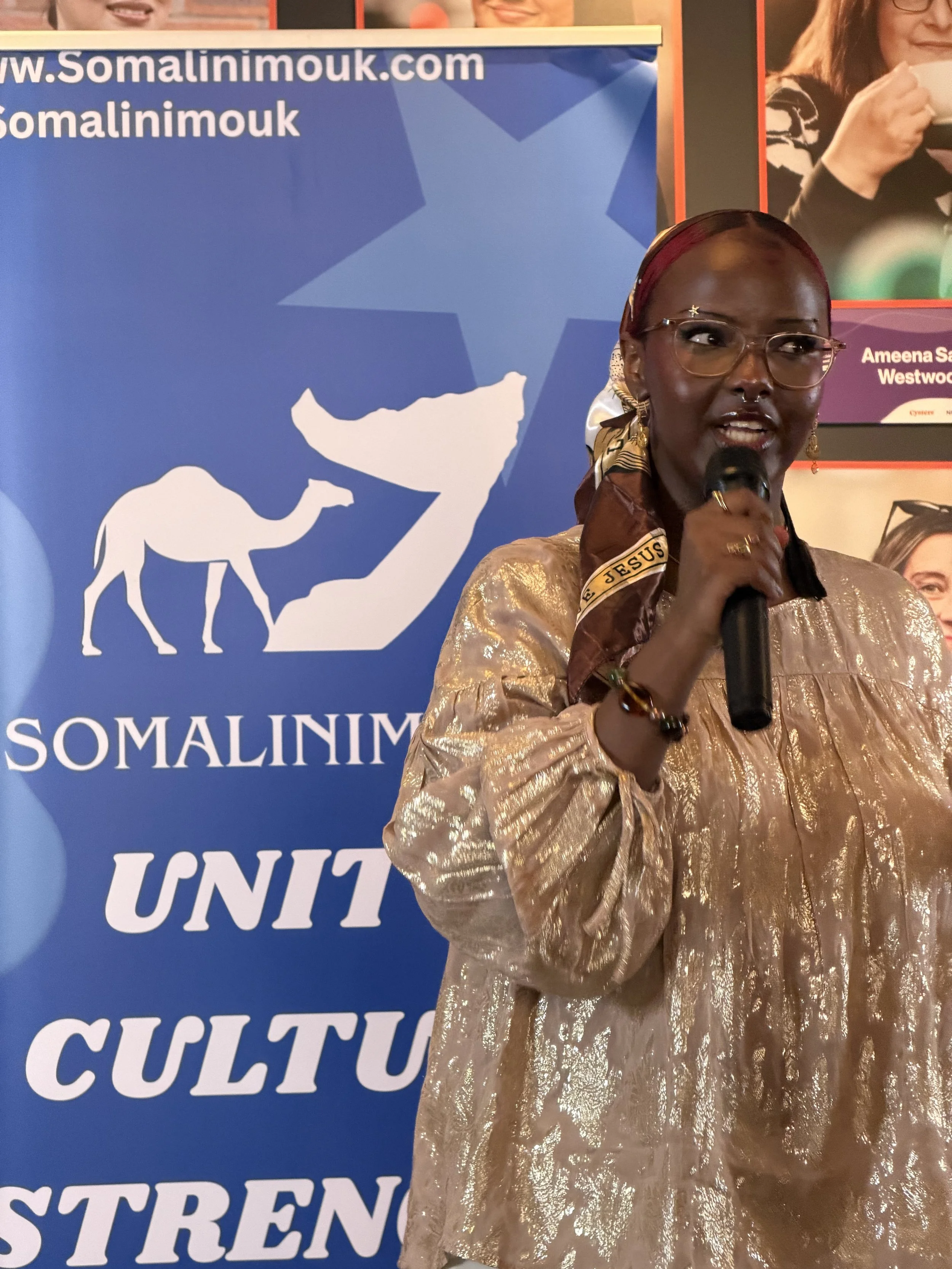
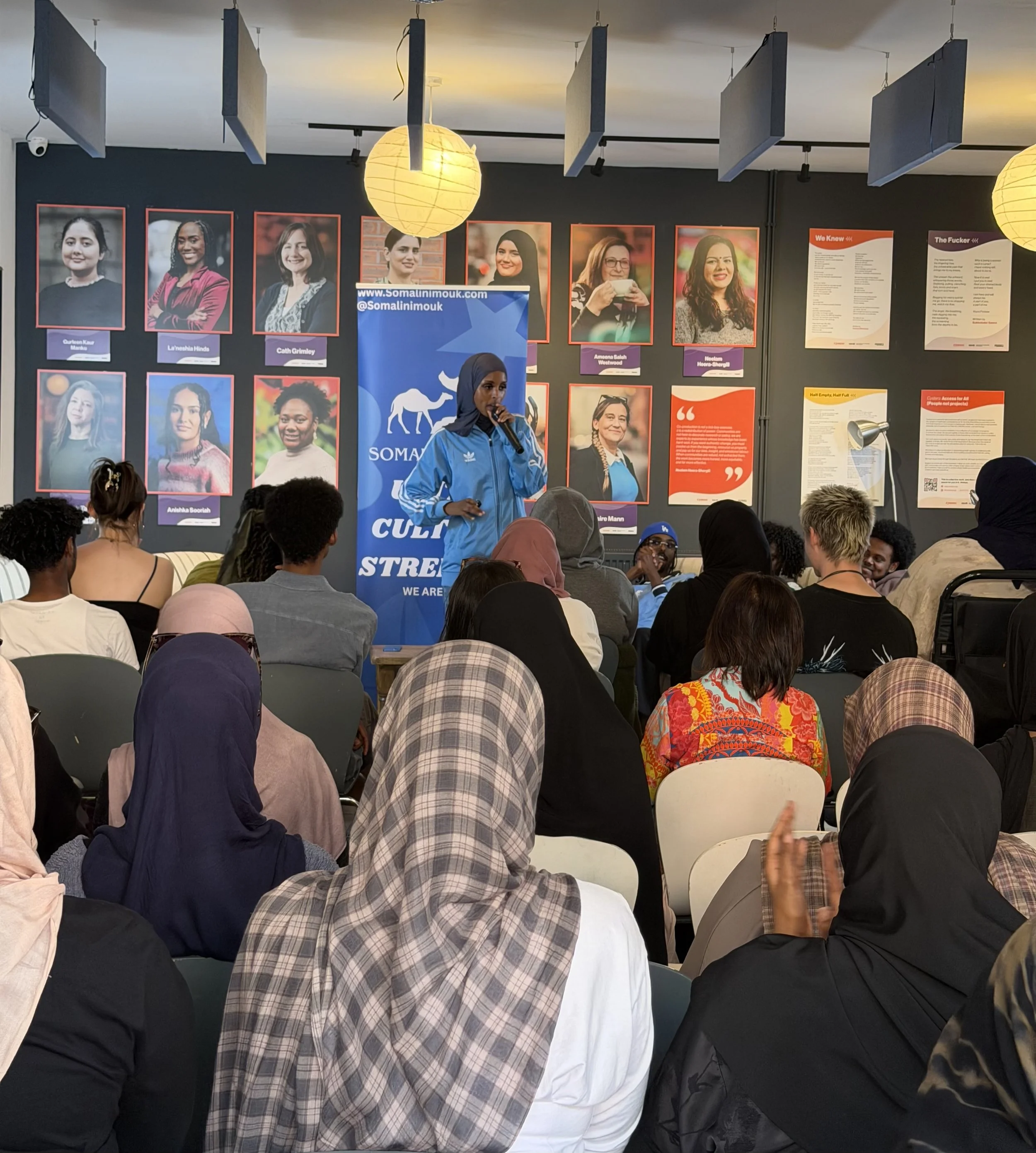
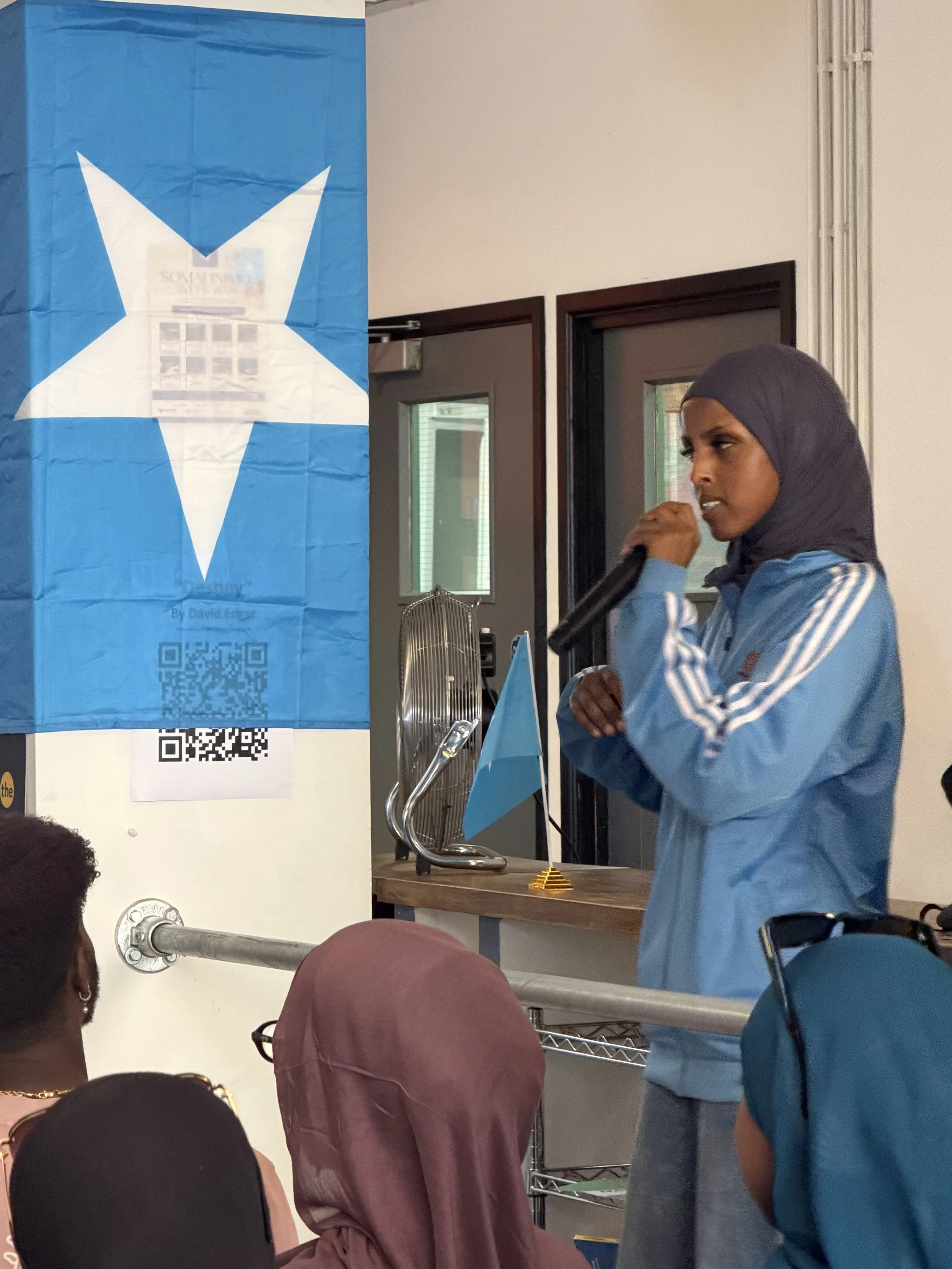
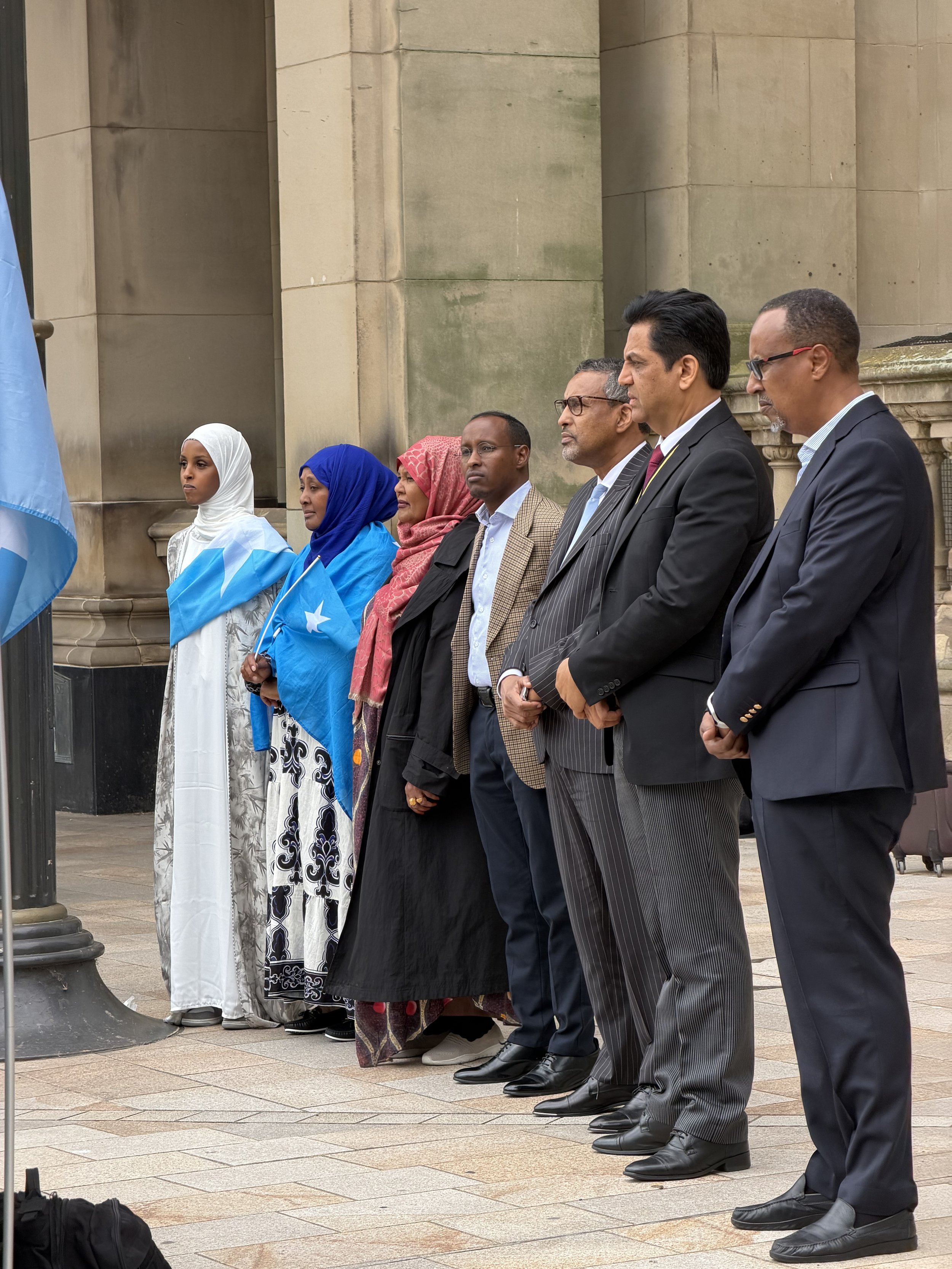
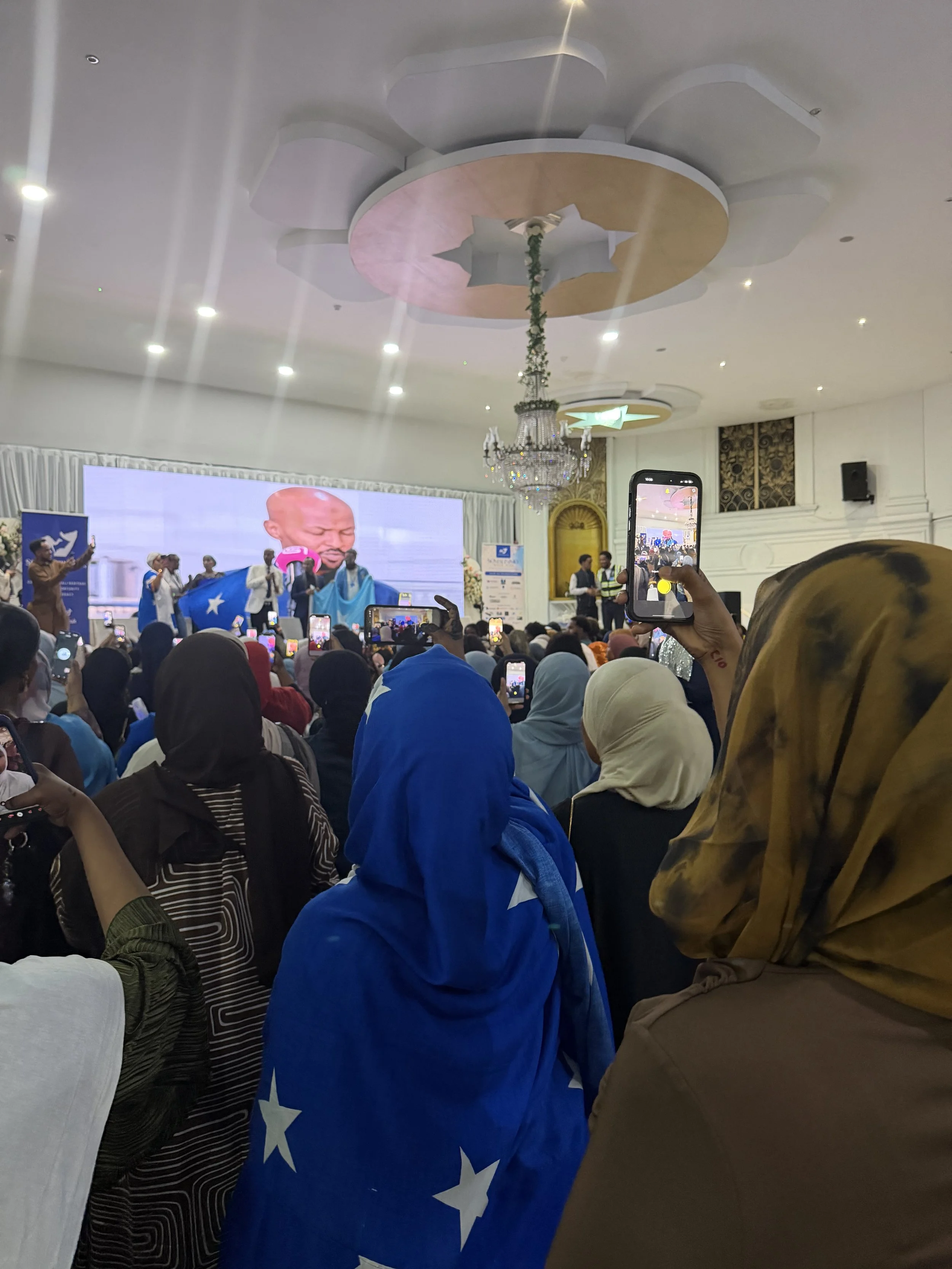
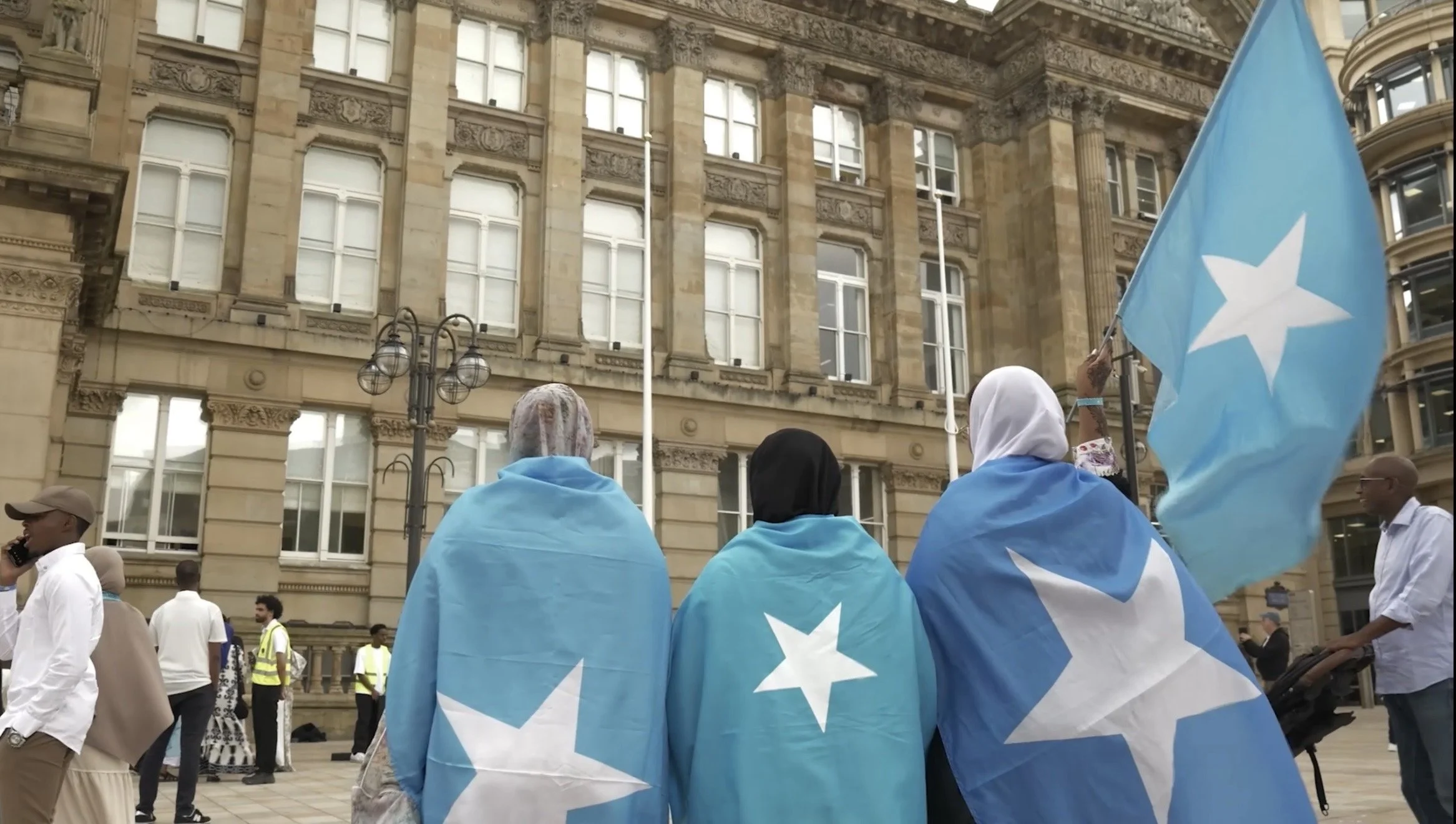
As the dust settles on the eight-day Somalinimo 2026 festival, one thing is for sure: the Somalinimo vibes of the city have been hoisted high. Like the blue and white Somali flag flying proudly outside Birmingham’s Council House in Victoria Square for the first time, the festival raised the visibility of Somali culture across the city.
Somalinimo translates to the essence of being Somali – the togetherness and the identity of being Somali – it’s a term of unity. Those values ran across the week, creating an open invitation for all to experience Somali culture and hospitality.
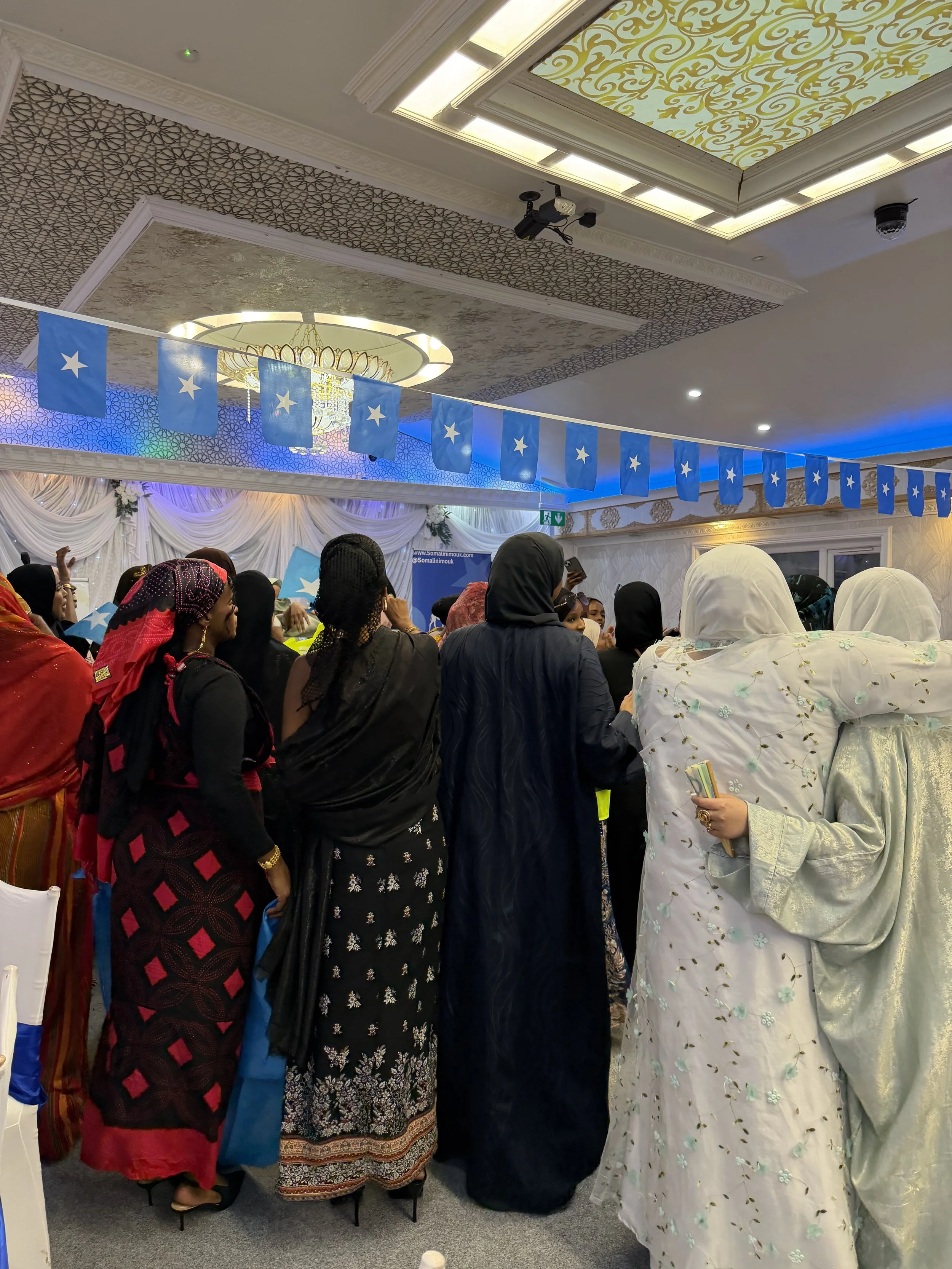
Across eight days, the festival celebrated every aspect of Somali life through history, music, business, civic engagement and family events. From discussions led by leading Somali academics to a family fun day, a creative evening of poetry, spoken word and comedy, a Women's traditional Dance Night, a business and careers expo, a Civic Day, and a spectacular finale concert with internationally renowned artists including Lafoole, Kiin Jamaac, Nimcaan Hilaac, Nasteexo Indho, Deeqo Holland and Didi Naji, Somali culture was showcased and shared.
Speaking to the BBC's Merisha Stevenson, founder of Somalinimo UK and the festival, Birmingham's 26-year-old Poet Laureate Ayan Aden explained some of the vision:
"The British Somali story is one of resilience, it's one of constantly pushing forward, it's one of amazing hospitality and great values of unity and togetherness. These are the things that we want to introduce to people."
That sense of story is fitting. Somalia has long been known as a nation of poets, where oral tradition carries history, identity and culture. Throughout the week, poetry, conversation and creativity became a way of sharing experiences that are often overlooked or misunderstood.
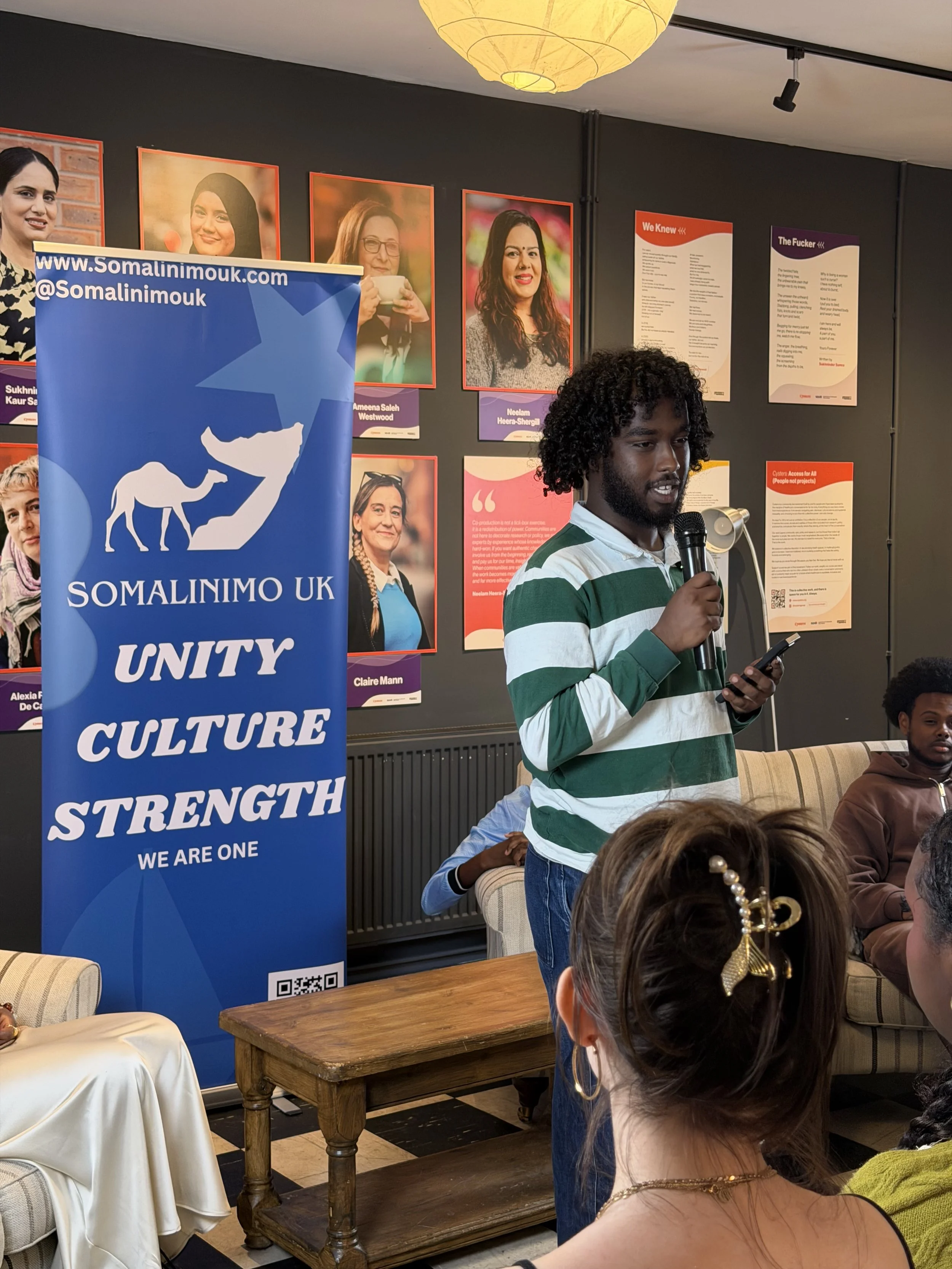
The festival did not shy away from contemporary conversations either. During the creative open mic night, poet Maryama reflected on the complexities of identity and belonging:
"Being diaspora kids we succumb to our surroundings and suddenly become too western, and suddenly that's the issue… we're not Somali enough, but then too Somali for other people."
It was a reminder that identity is rarely simple, but that spaces like Somalinimo allow those conversations to happen with honesty, understanding and pride.
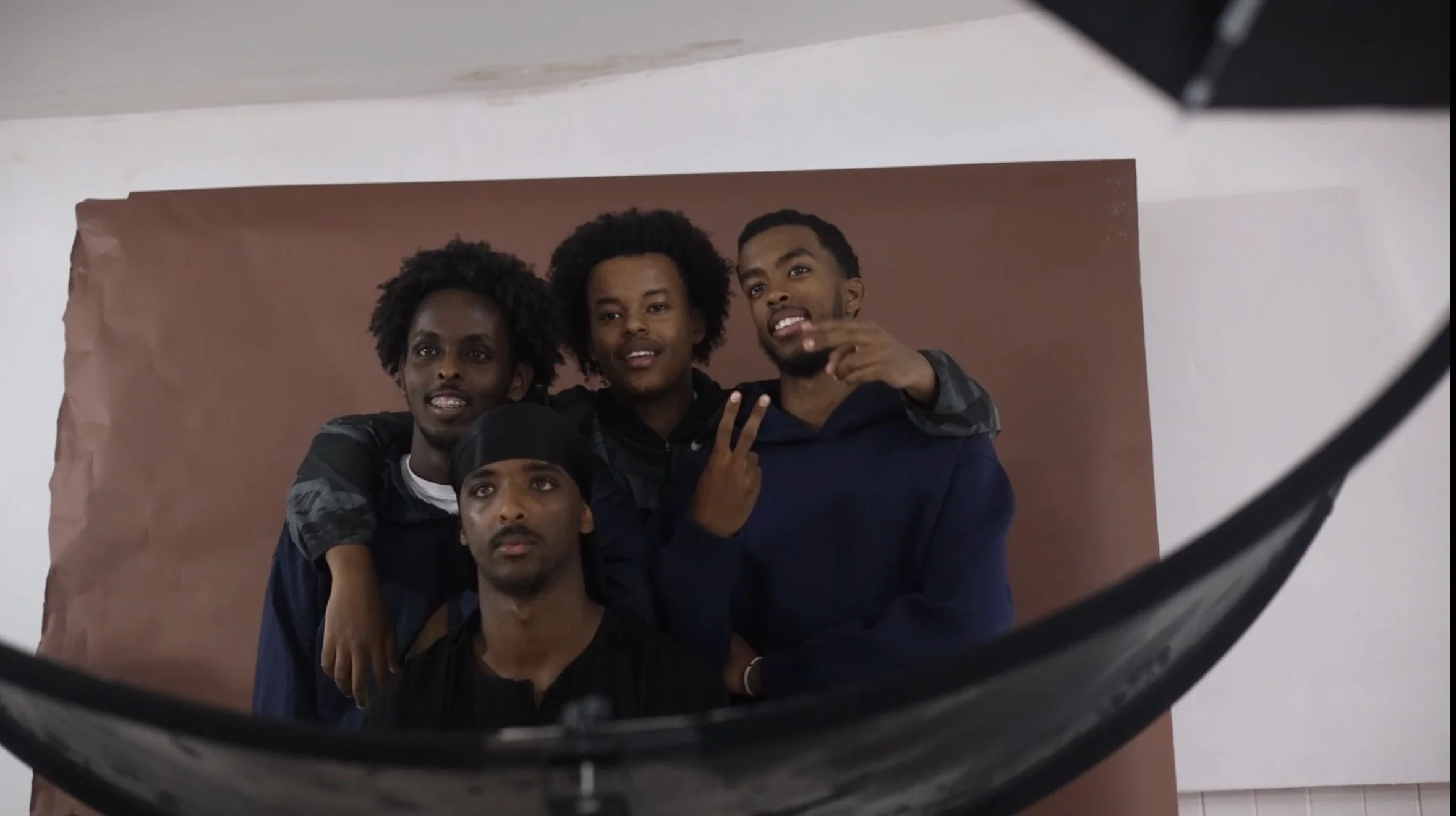
One of the most inspiring aspects of the festival was its intergenerational feel. The programme was led by an ambitious team of young Somali professionals, creatives and volunteers, the youngest of whom was just 16 years old. Together they demonstrated a generation confidently shaping its own narrative while celebrating the traditions that have come before.
Jabril Aden, founder of creative marketing agency Centauri and part of the Somalinimo team, shared his thoughts with Birmingham Live:
"When you're speaking to a Somali they know how it feels to maybe be misrepresented a little bit, be judged a little bit, be the victim of someone else's ignorance and they don't want anyone to feel like that – so they just make everyone feel happy, everyone feel loved, everyone feel welcomed and cared for."
He also spoke about the importance of reclaiming Somali history for younger generations:
"Even for myself being born here I might not know as much about my country and I don't want to hear that from a documentary that was made by someone else, from someone that doesn't know my history – I want to hear from someone that has studied it, who's been there, who is part of my culture. That's the vibe – educating the youth while also showing we can discuss our history and get the stories right."
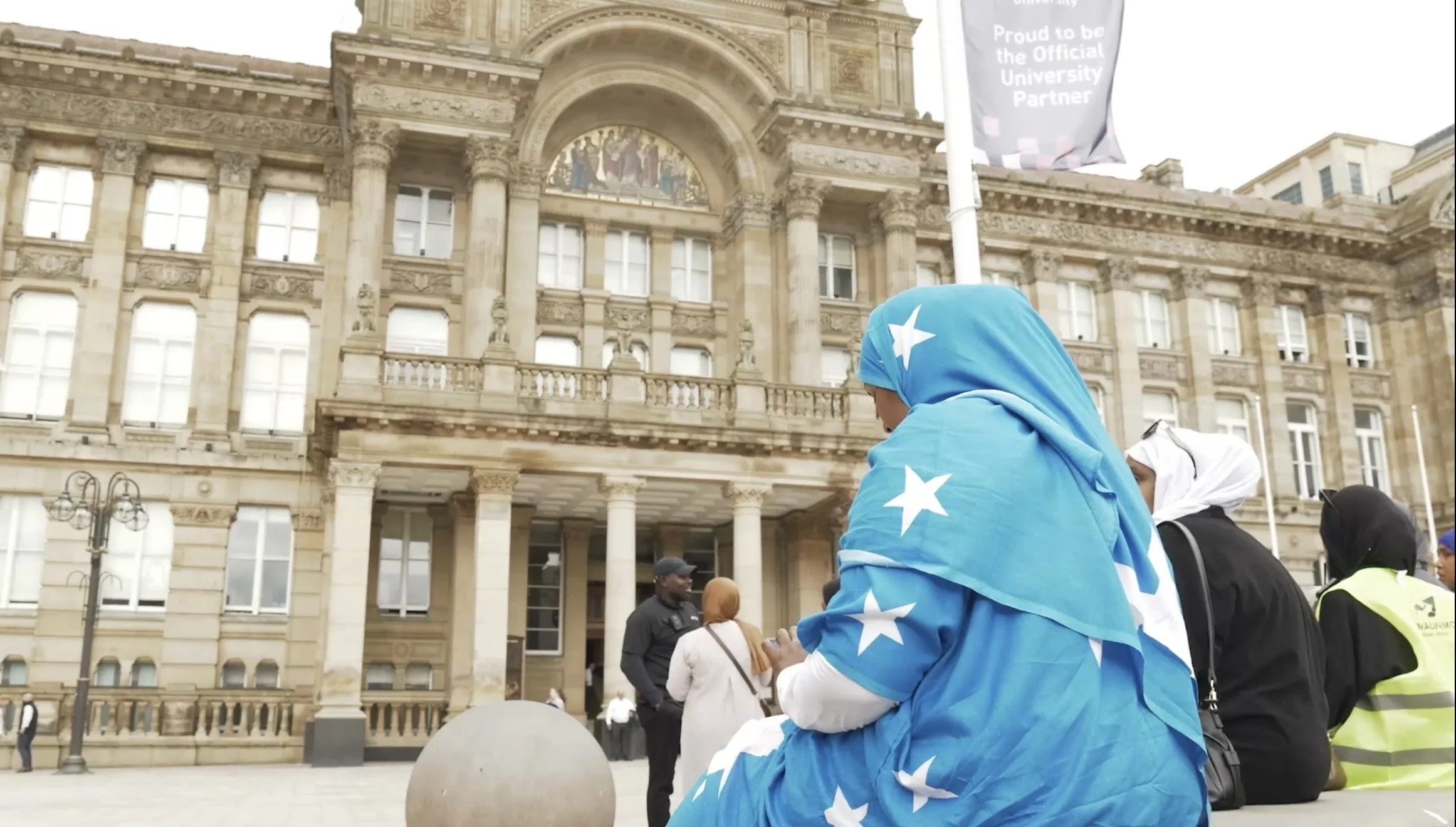
Whether it was families singing together in Centenary Square, children wrapped proudly in blue and white Somali flags, conversations exploring colonial pasts and identity, or audiences sharing laughter, music and poetry, Somalinimo was much more than a festival programme. A celebration of culture, connection and belonging it was also about investing in young people, strengthening communities and the city, creating opportunities for future generations.
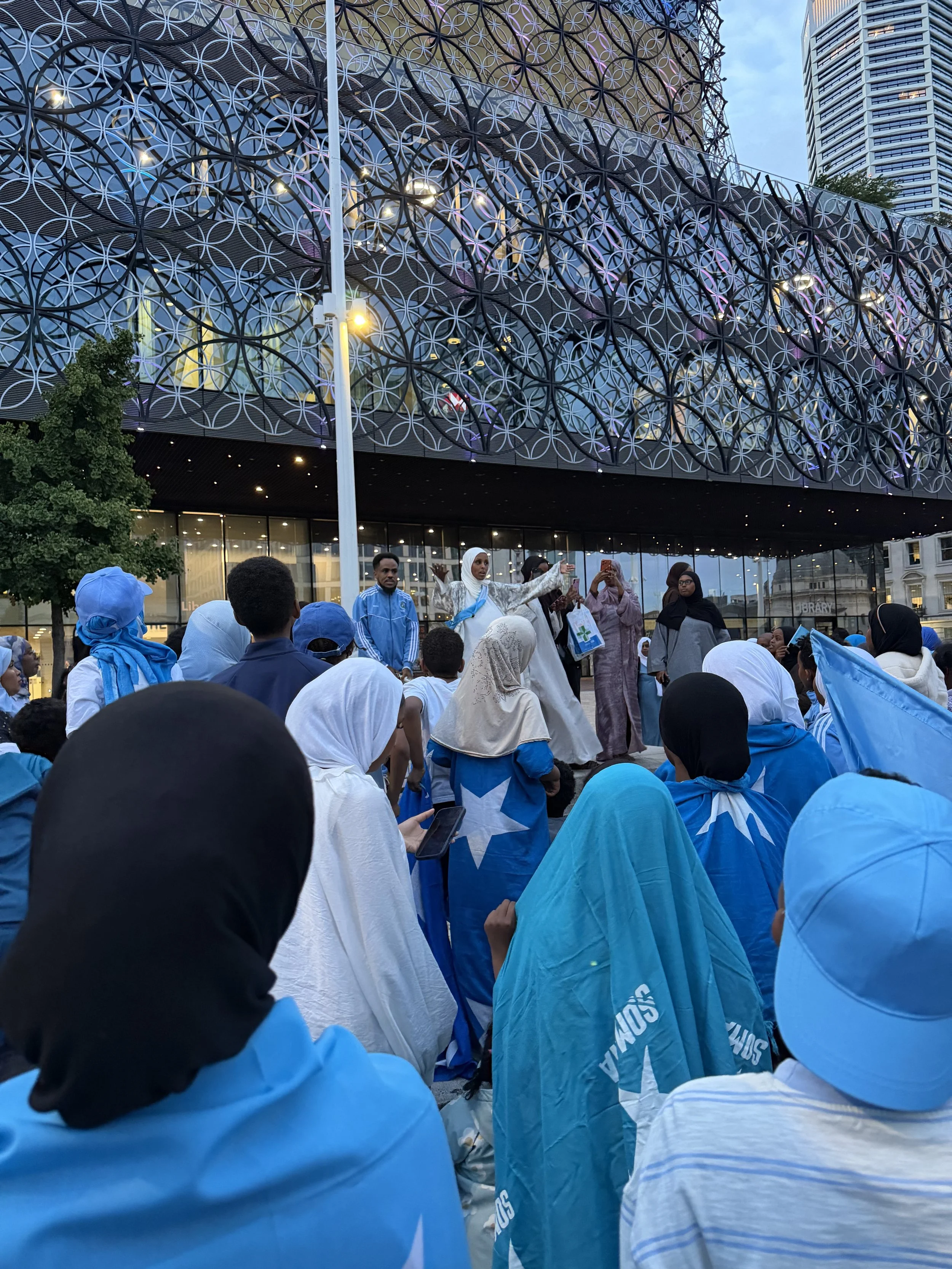
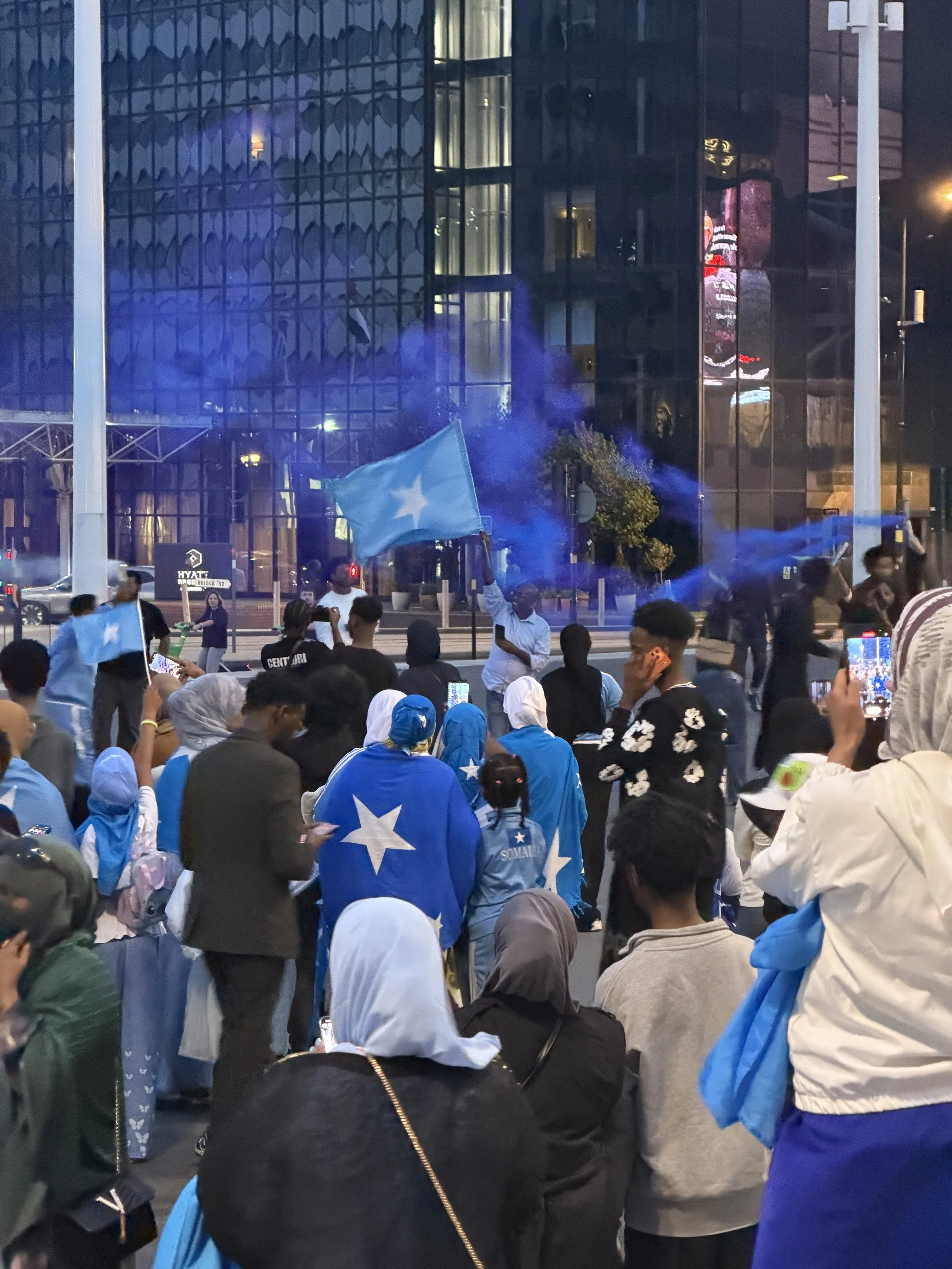
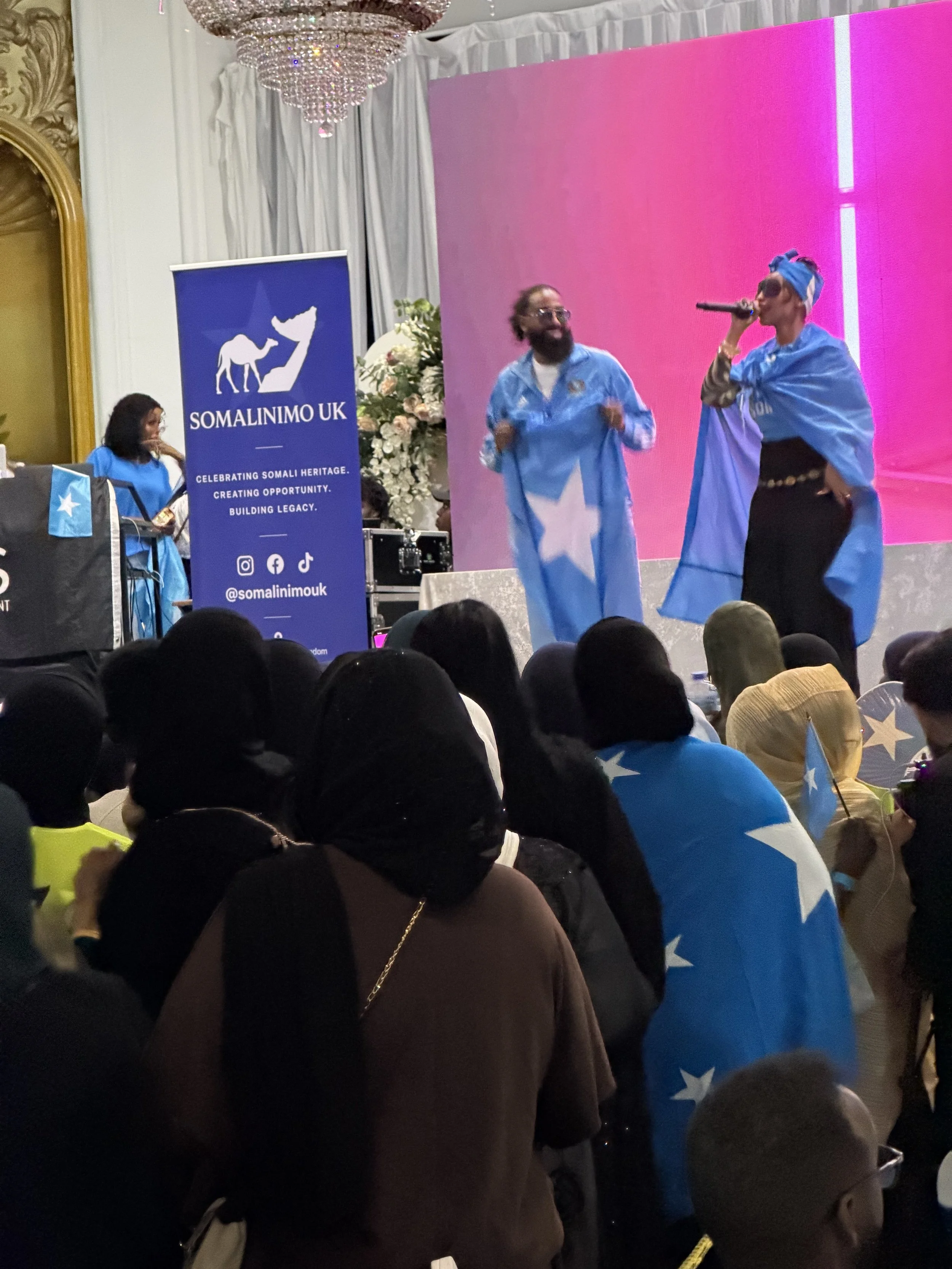
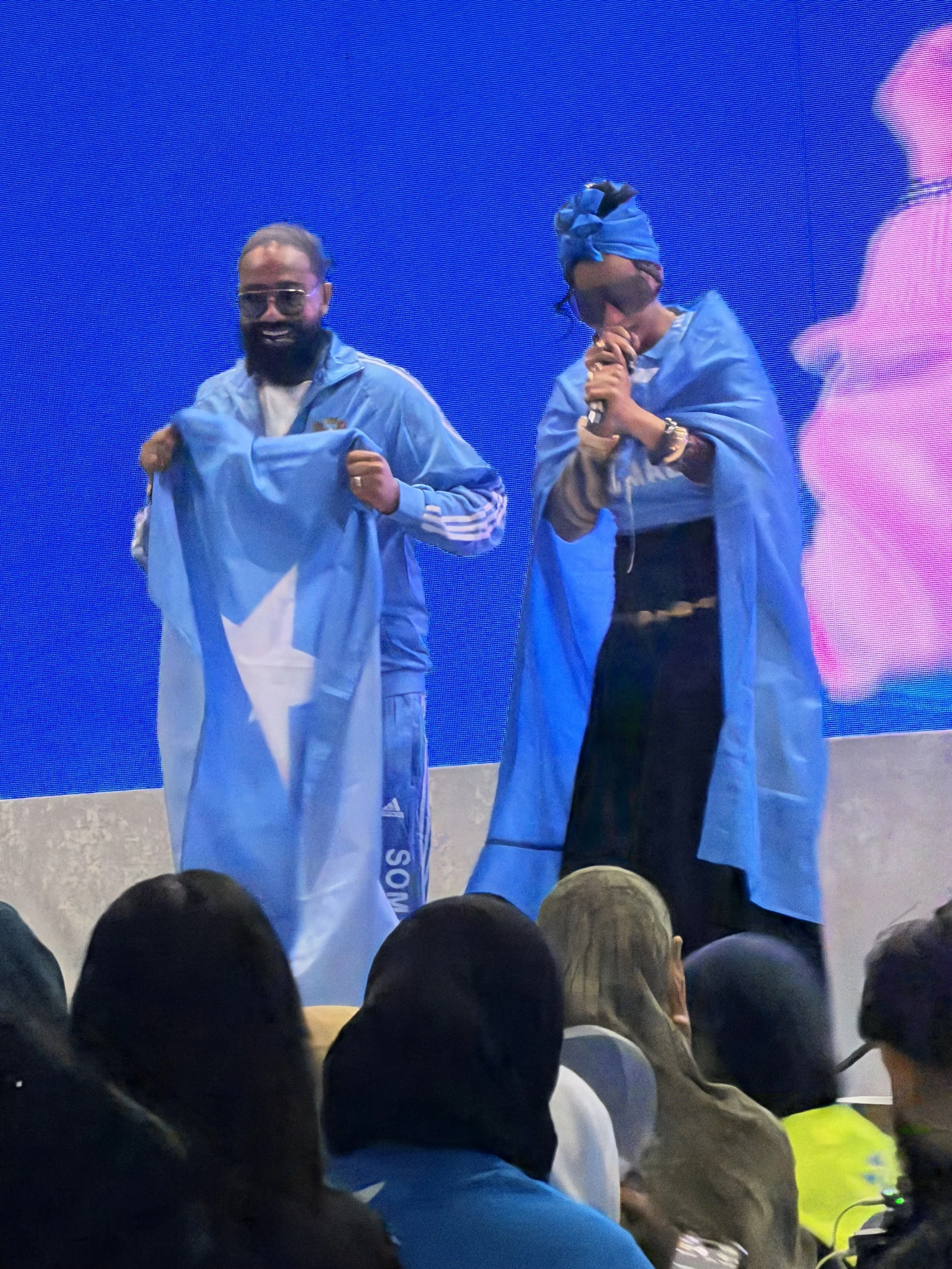
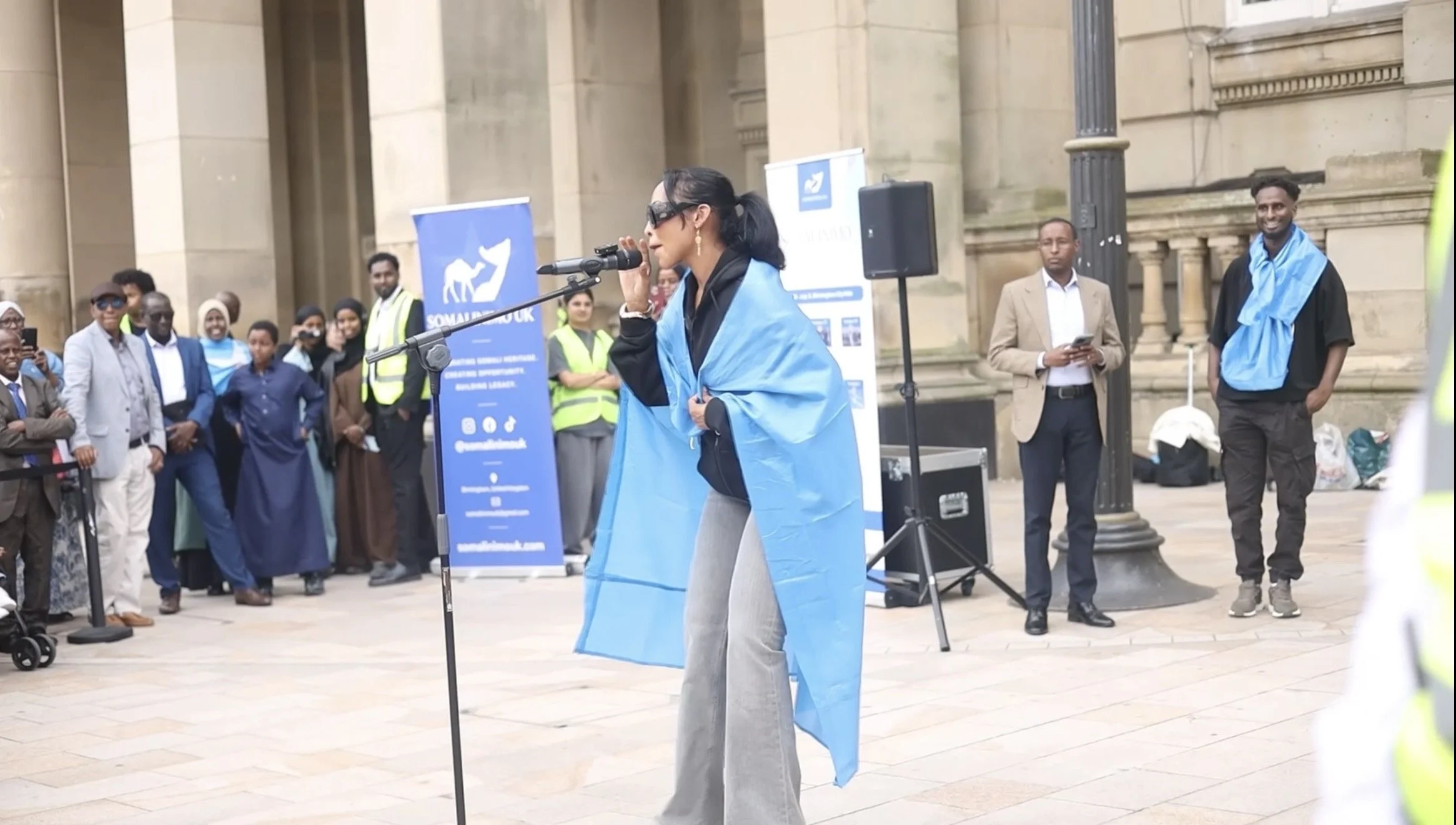
Ayan Aden reflected on why that matters now more than ever:
"I think we are in such difficult times – there is so much going on, whether that's the cost of living crisis or turbulent politics. And when you have these conversations on migrants, refugees, it is to distract you from the actual causes that have resulted in these conditions and environments. Somalinimo is an olive branch and a bridge – eat with us, dance with us, celebrate with us, learn with us and then you'll see that the hate is misdirected and a lot of these buzz terms are causing people to have unnecessary ignorance."
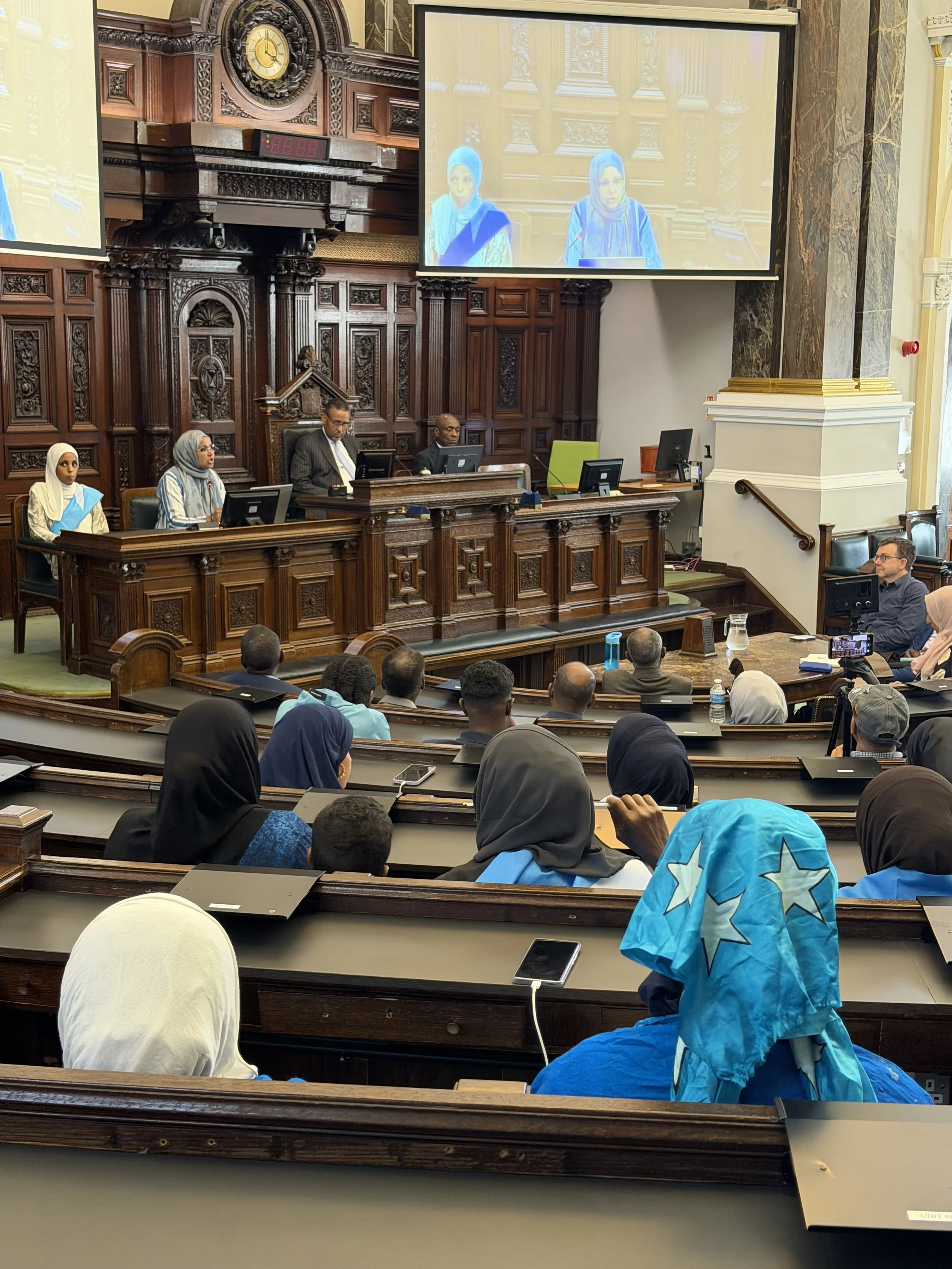
Alongside internationally celebrated performers, the festival welcomed civic leaders including the Somali Ambassador to the UK, the Deputy Lord Mayor of Birmingham and representatives from across Birmingham's civic and voluntary sectors. Speaking during Somalinimo Civic Day in Birmingham's Council Chamber, His Majesty's Lord-Lieutenant for the West Midlands, Derrick Anderson, reflected on the importance of shared purpose and community.
He said:
"Let us not be put down or cowed by what you see on social media and the negatives you hear. Let us be uplifted by working together."
While unfortunately the festival was subject to some vile, horrific racist abuse online, those voices were overwhelmingly drowned out by the huge numbers of people who chose instead to celebrate and connect. The warmth, generosity and openness throughout the week stood in stark contrast to the ignorance found behind anonymous screens.
There is perhaps a wider lesson too. Whenever cultural festivals take place, conversations often go towards immigration, integration or questions about what it means to belong in Britain today. Too often, people are still asked, "Where are you from?" followed by, "Where are you really from?" even when Britain is the only home they have ever known.
Having had the privilege of working alongside the Somalinimo team for the last few weeks, despite not being of Somali heritage myself, there was something truly beautiful that went beyond the festival programme. What will stay with me is the confidence with which people, young people especially, were sharing their stories and culture—not as something to explain or defend, but as something to celebrate and learn from.
Birmingham is a place where you can experience the world without leaving the city. You can hear different languages, taste food from across the globe, discover music, poetry and traditions from every continent simply by saying yes to an invitation.
If you hear about the next Somalinimo festival, or any celebration of another culture, go along. Listen to the stories. Connect with others. Share the food. Enjoy the music. Learn something new.
Because festivals like Somalinimo remind us that culture is not something that divides a city; it is something that makes it, builds community and creates friendships that outlast any single event.
Sometimes feeding your cultural curiosity is also a way of feeding your soul. Somalinimo certainly fed mine—and I hope Birmingham's too.
To watch highlights of the festival and find out more, follow @SomalinimoUK on socials: Instagram, TikTok & Facebook