
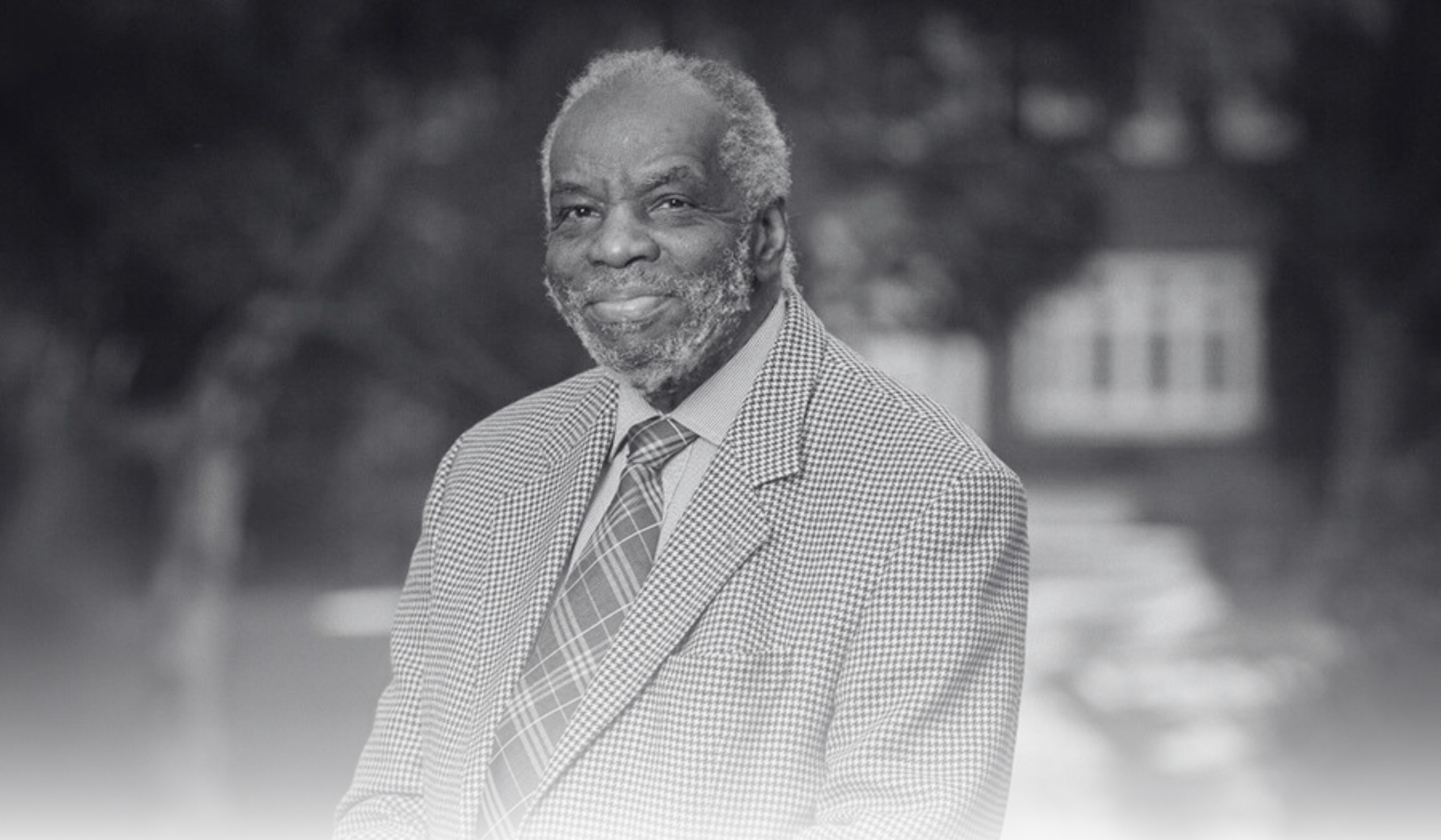
Dr Aggrey Washington Burke was a pioneering psychiatrist and one of the most important anti-racism campaigners in British medicine. Born in Jamaica in 1943, he migrated to Britain as a teenager and later became the first Black consultant psychiatrist in the NHS. At a time when medicine was dominated by exclusionary practices and quiet discrimination, Burke refused to accept racism as inevitable or invisible. Instead, he made it the central focus of his professional and political life.
Burke’s activism grew directly from his experience. As a Black doctor working in British psychiatry, he saw how racial bias shaped every stage of medical training and practice: who was admitted to medical school, who was promoted, and how patients were diagnosed and treated. He was particularly concerned with the treatment of Black patients in mental health services, where stereotypes and fear often led to misdiagnosis, over-medication, and coercive interventions. Burke argued that racism itself was a determinant of mental illness, inflicting psychological harm through exclusion, humiliation and institutional neglect.
In the 1980s, Burke helped expose discriminatory admissions policies at London medical schools that systematically disadvantaged women and ethnic minority applicants. This research was groundbreaking, not only because it revealed what many suspected but could not prove, but because it challenged the medical establishment from within. Speaking out came at a personal cost. Despite his qualifications and influence, Burke was never awarded a professorship, a fact he attributed to his refusal to stay silent.
His commitment extended beyond institutions into communities. After the New Cross fire in 1981, when 13 young Black people were killed and the official response was widely criticised, Burke helped provide psychological support to grieving families. He understood trauma not only as an individual condition but as a collective experience shaped by racism, loss and political disregard.
Throughout his life, Burke remained a mentor and advocate for younger generations, addressing issues such as school exclusions, youth criminalisation, and the marginalisation of Black professionals. He believed that true reform required honesty about power, history and inequality — and that medicine could not claim neutrality while reproducing injustice.
Aggrey Burke’s legacy is one of courage, moral clarity and persistence. He showed that anti-racism in medicine is not an optional ethical add-on, but a necessary condition for care, dignity and justice.
To read more about Aggrey Burke and his early contribution in Birmingham, please read Kehinde Andrews Black Lives Guardian Interview here.
