
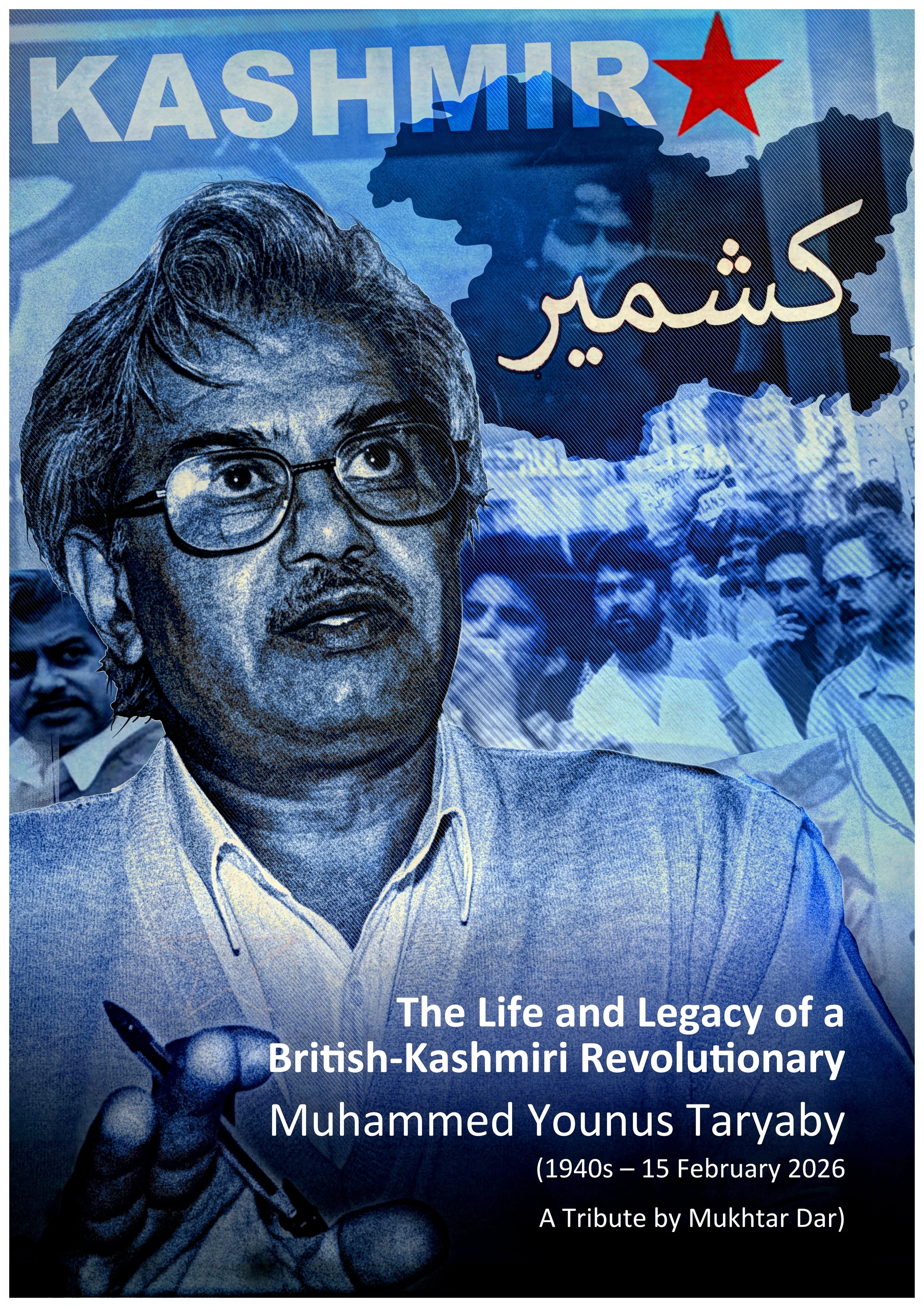
The Life and Legacy of a British-Kashmiri Revolutionary
In Memory of Muhammed Younus Taryaby (1940s – 15 February 2026)
By Mukhtar Dar
I wish to pay a special tribute to a dear friend and comrade, Muhammed Younus Taryaby, who passed away quietly in Azad Kashmir, yet whose life resonated far beyond the place of his passing. I first came to know him in the mid-1980s, when my own political consciousness was only beginning to take shape as a member of the Asian Youth Movement. At that time, I had gravitated into the circle around Aijaz Kaleem and Phyllis Brazier, both members of the Pakistani Workers Association (PWA), whose home became an informal school for many of us. Evenings often began in the pubs of Handsworth among activists, artists, members of the Asian Youth Movement, Birmingham Black Sisters, and comrades from Irish and other backgrounds; after closing time, we would continue late into the night at Aijaz’s house in Edgbaston. Books lined the walls, bansuri folk melodies from the hill tracts of Potohar drifted through the rooms, food appeared without ceremony, and long arguments unfolded—intense, entrenched, sometimes heated, yet rarely disrespectful. After one such evening I stayed over, and that temporary stay gradually stretched into years. It was within that household—hospitable, argumentative, and alive with ideas—that I came to know Younus properly.
A longstanding and trusted friend of Aijaz and Phyllis, he would arrive without fuss, greet everyone with quiet warmth, lowering his eyes to offer salaam, and settle into conversations that moved effortlessly from dialectical materialism to Sufi verse, from the history of colonial plunder to the shifting contours of the Kashmiri national liberation struggle. He often left with books tucked under his arm, following up on whatever questions had stirred him that night. Even then there was a gravity about him, not born of ambition but of responsibility, a seriousness that inspired reflection rather than arrogance.
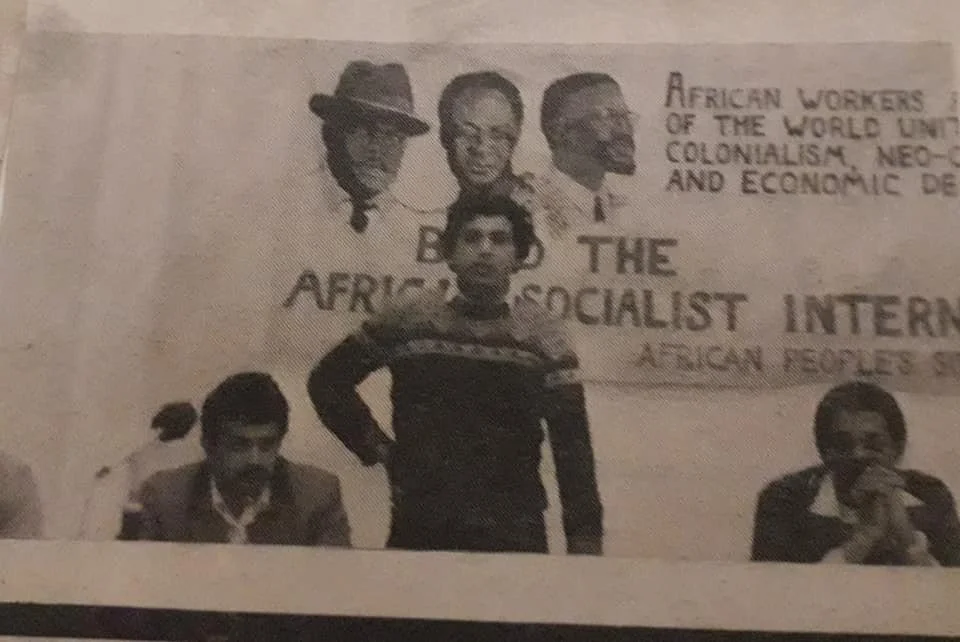
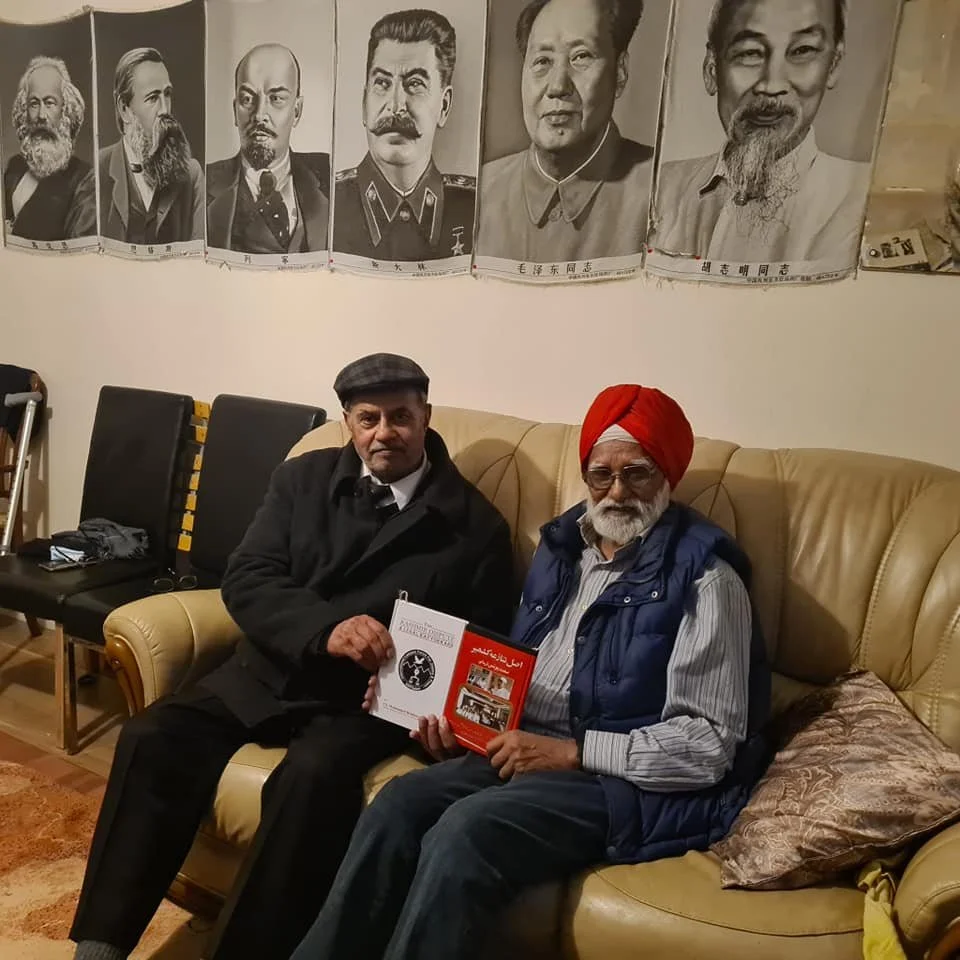
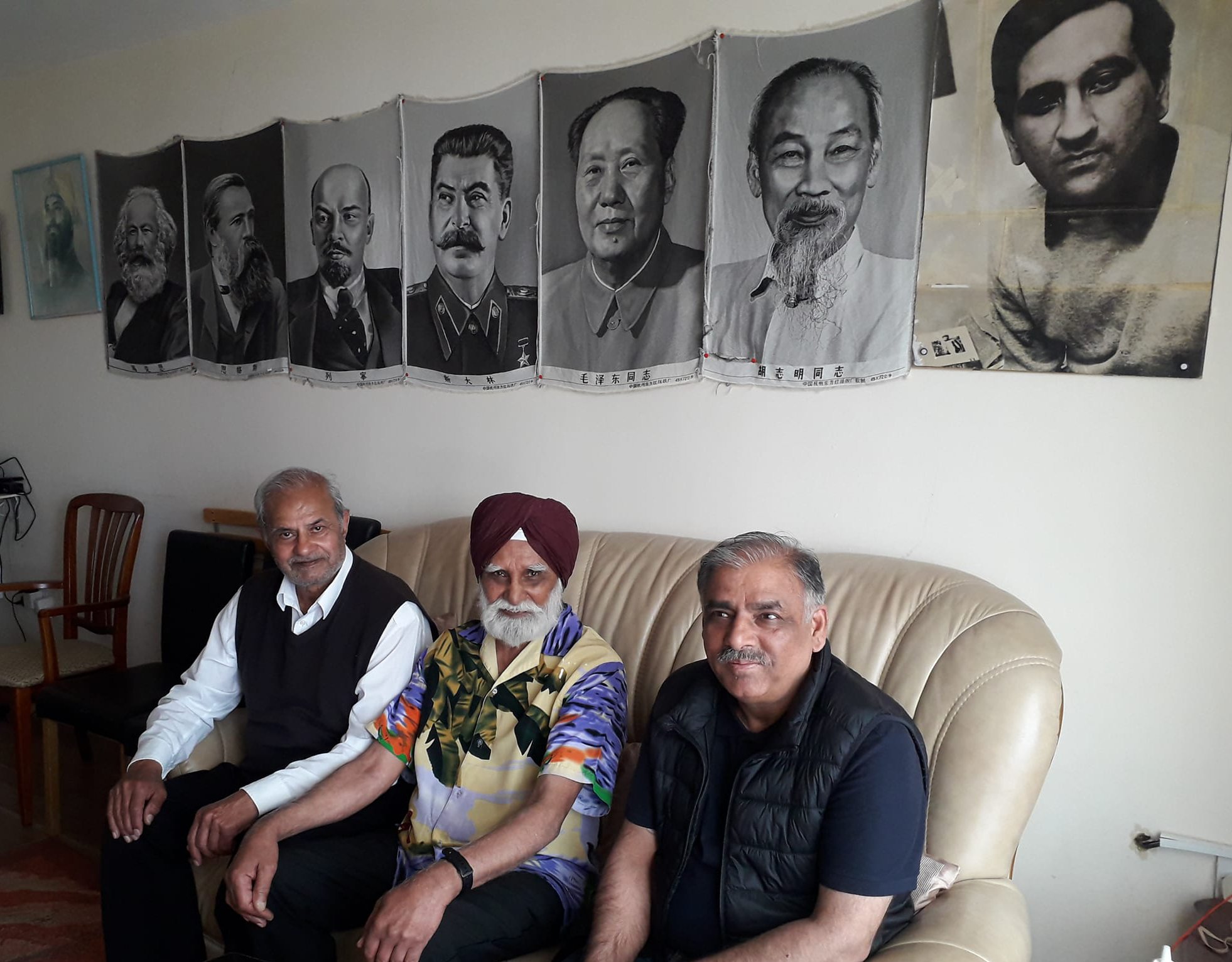
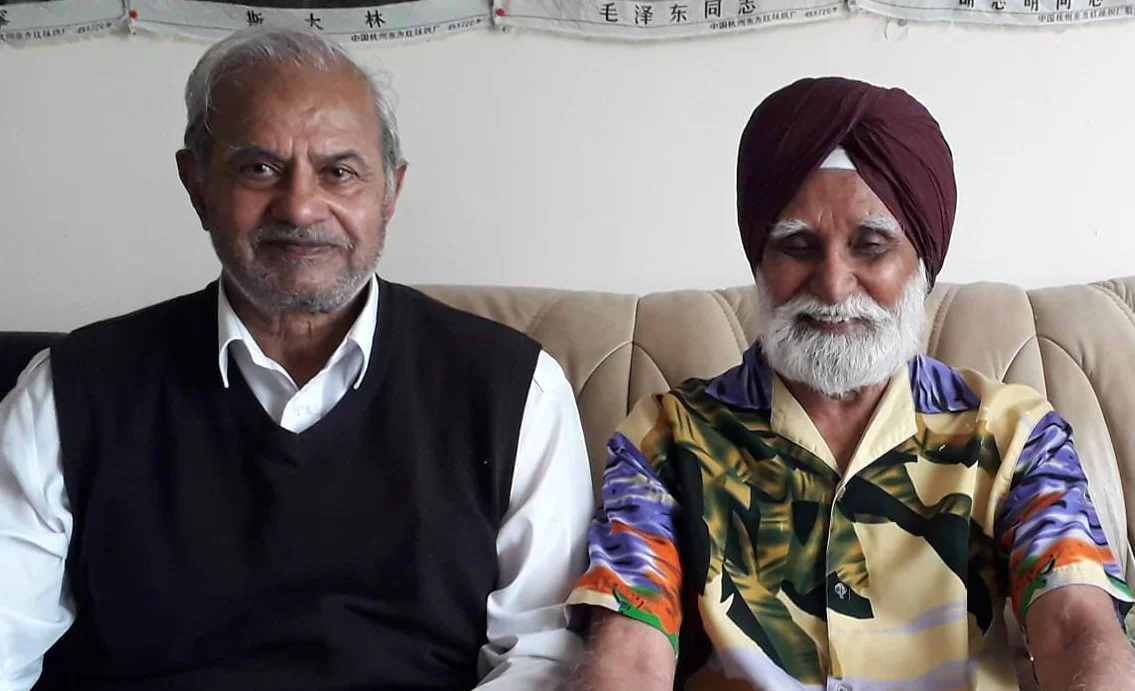
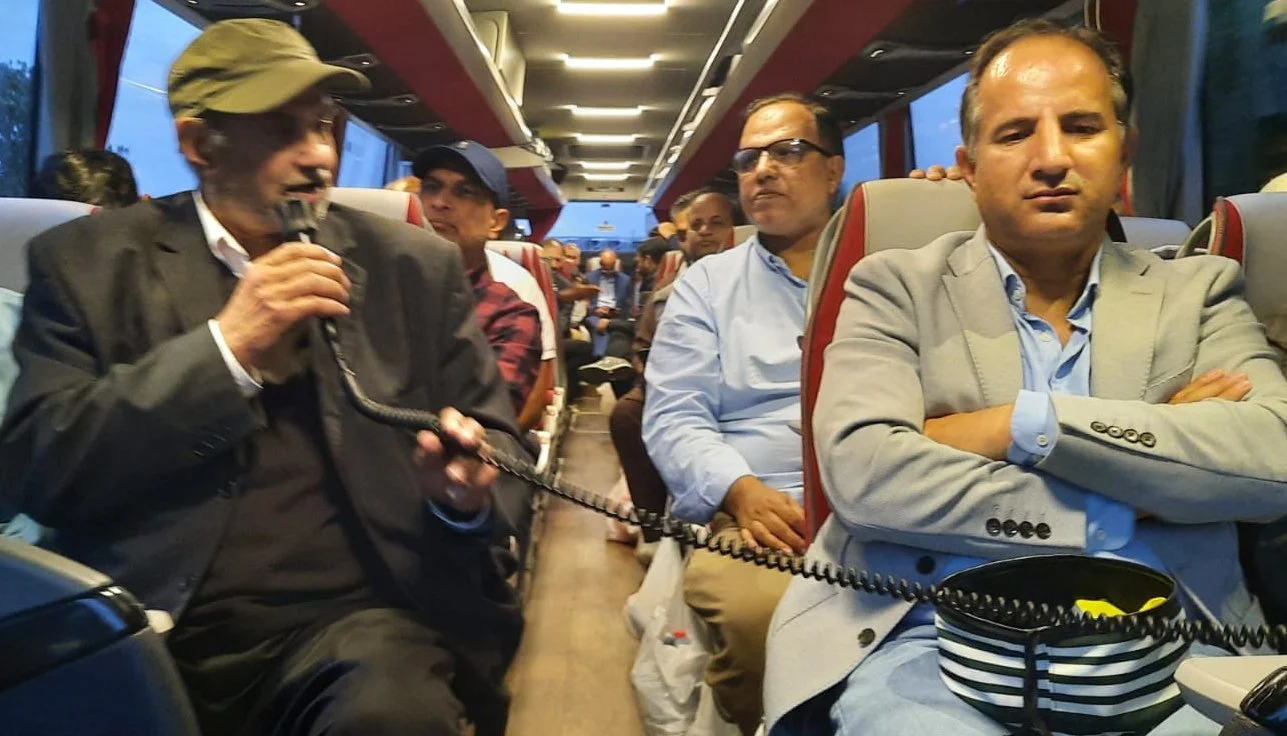
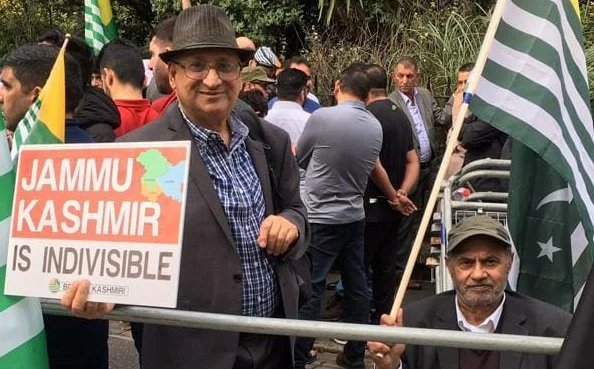
Younus had come to Britain as a young man from the village of Balathi in Dadyal, carrying a working-class background he neither concealed nor apologised for. While many seasoned activists around him were university-educated, fluent in polished English and Urdu, and socially assured, he spoke softly yet proudly in his mother tongue, Pahari, and remained firmly rooted in his class identity. The foundries and factories of North Birmingham were not merely places of employment; they were the workshops of his political awakening. Labouring alongside Indians, Bangladeshis, African Caribbeans, Irish, and English workers, he encountered both the sharp edge of exploitation and the quiet strength of solidarity. From these experiences on the shop floor—amid heat, noise, and shared grievances—his class instincts were stirred and sharpened, drawing him toward organised labour. He would later join the Birmingham Trades Council, becoming a staunch trade unionist and an active participant in the wider labour movement across the city. He openly admitted that he had arrived with narrow prejudices shaped by village life and religiosity, yet those assumptions softened as he shared shifts, struggles, and aspirations with people whose lives mirrored his own in hardship, if not always in culture. His earliest political education came not from books but from lived experience in the foundries scattered across the Black Country—once the workshop of the world that had serviced the British Empire.
From the world of labour, he turned, with quiet discipline, toward study. After long days of physical work he read history, politics, economics, and the Marxist classics of Lenin, Mao, and Stalin—not for ornament, but for understanding. Being dismissed by some as “uneducated” because he was a factory worker who spoke Pahari did not embitter him; instead, it fortified his resolve. In his fifties, when most begin to contemplate retirement, he attended Warwick University, completing both a bachelor’s and a master’s degree in philosophy and politics. Education for him was never an escape from his class; it was a return to it with greater clarity—a means of placing knowledge in the service of working people and of Kashmir’s struggle for self-determination.
He belonged to a generation of activists shaped by the first waves of post-war migrants, who built workers’ associations out of necessity rather than career ambition. From a small yet influential left-wing bookshop in Selly Oak, run by Jagmohan Joshi and linked to the Indian Workers Association, many future organisers found both literature and political direction. Through these circles, Younus came to know—and be influenced by—figures such as Jagmohan Joshi, Aijaz Kaleem, Shirley Joshi, and Avtar Singh Johal, and he went on to develop close friendships with Tara Singh of the Indian Workers Association and Mohammed Idrish of the Asian Resource Centre.
Confronted by the rising tide of both state and street racism in the 1970s, he joined Shirley Joshi, Phyllis Brazier, and others in forming anti-racist and anti-fascist united fronts, including the Birmingham Campaign Against Racism & Fascism (CARF) and the Campaign Against Racial Discrimination (CARD). Inspired by the organisational model of the Pakistani Workers Association and its three integrated pillars—the struggle against racism in Britain, solidarity with democratic struggles in Pakistan, and international solidarity with oppressed peoples worldwide—he helped establish, and later became a leading member of, the Kashmiri Workers Association (KWA) alongside Nazir Haq, Master Majid, Saeed Hussain, Shams Rehman, and Shafaq Hussain. The close fraternal relationship between the PWA and the KWA was grounded in principled respect and unconditional support for the Kashmiri people’s right to self-determination.
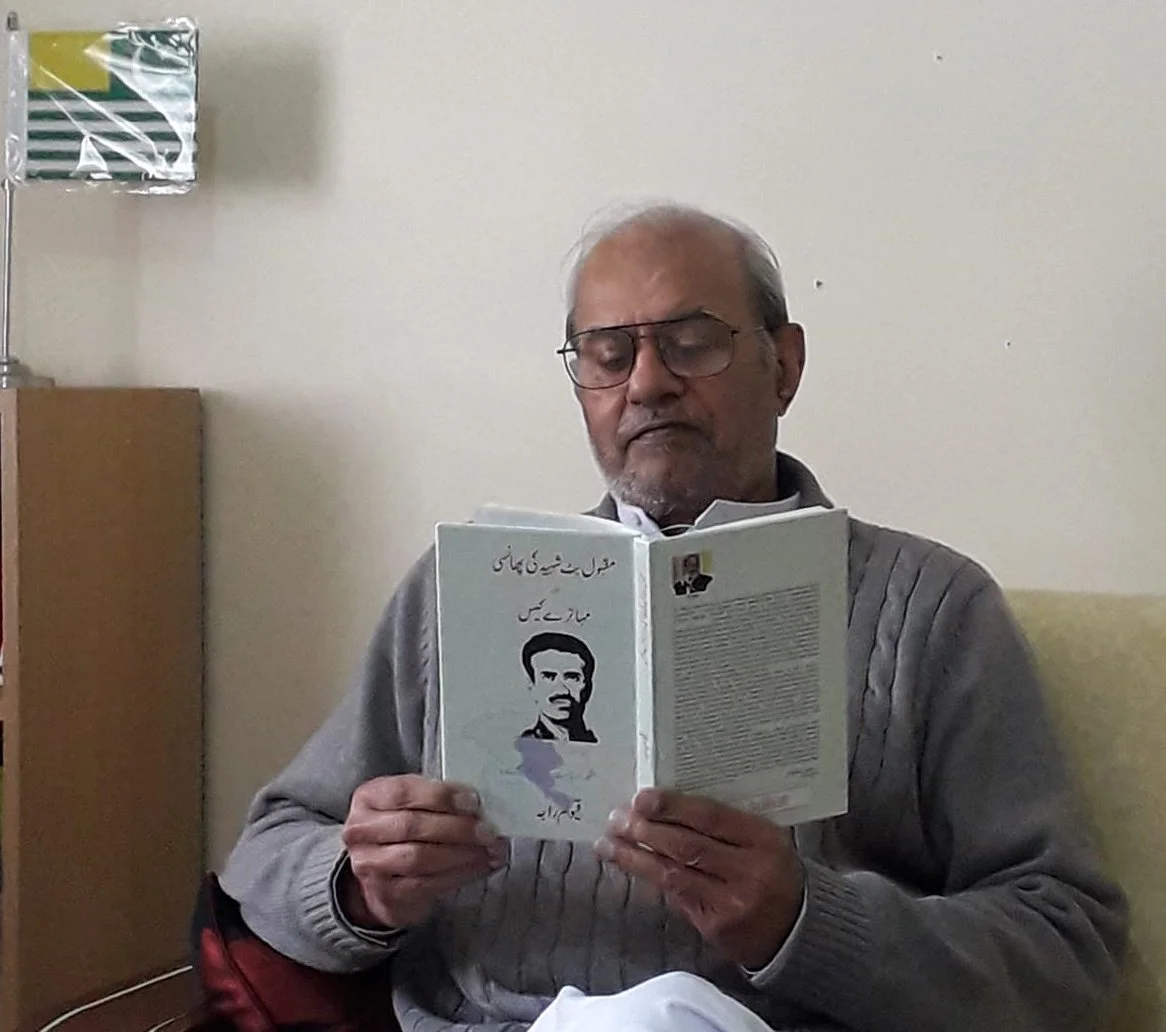
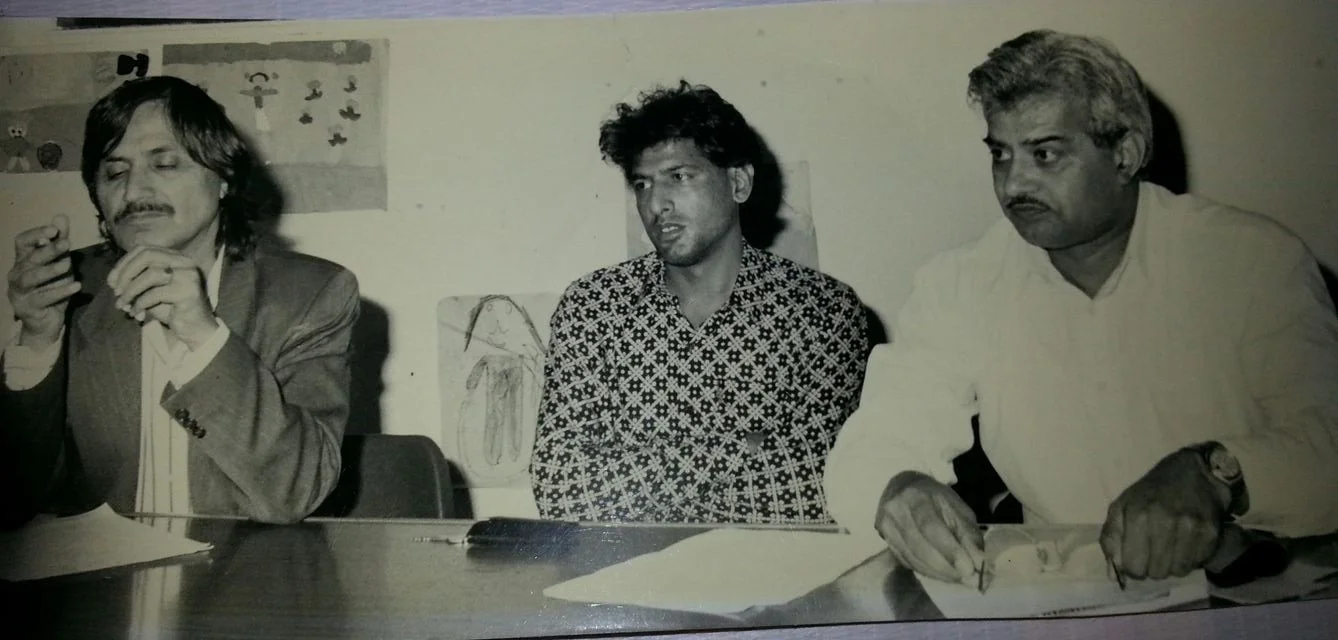
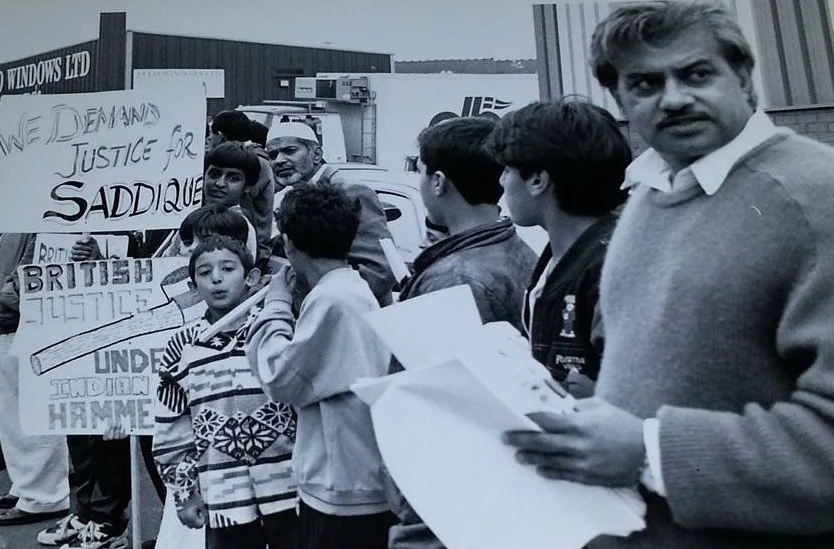
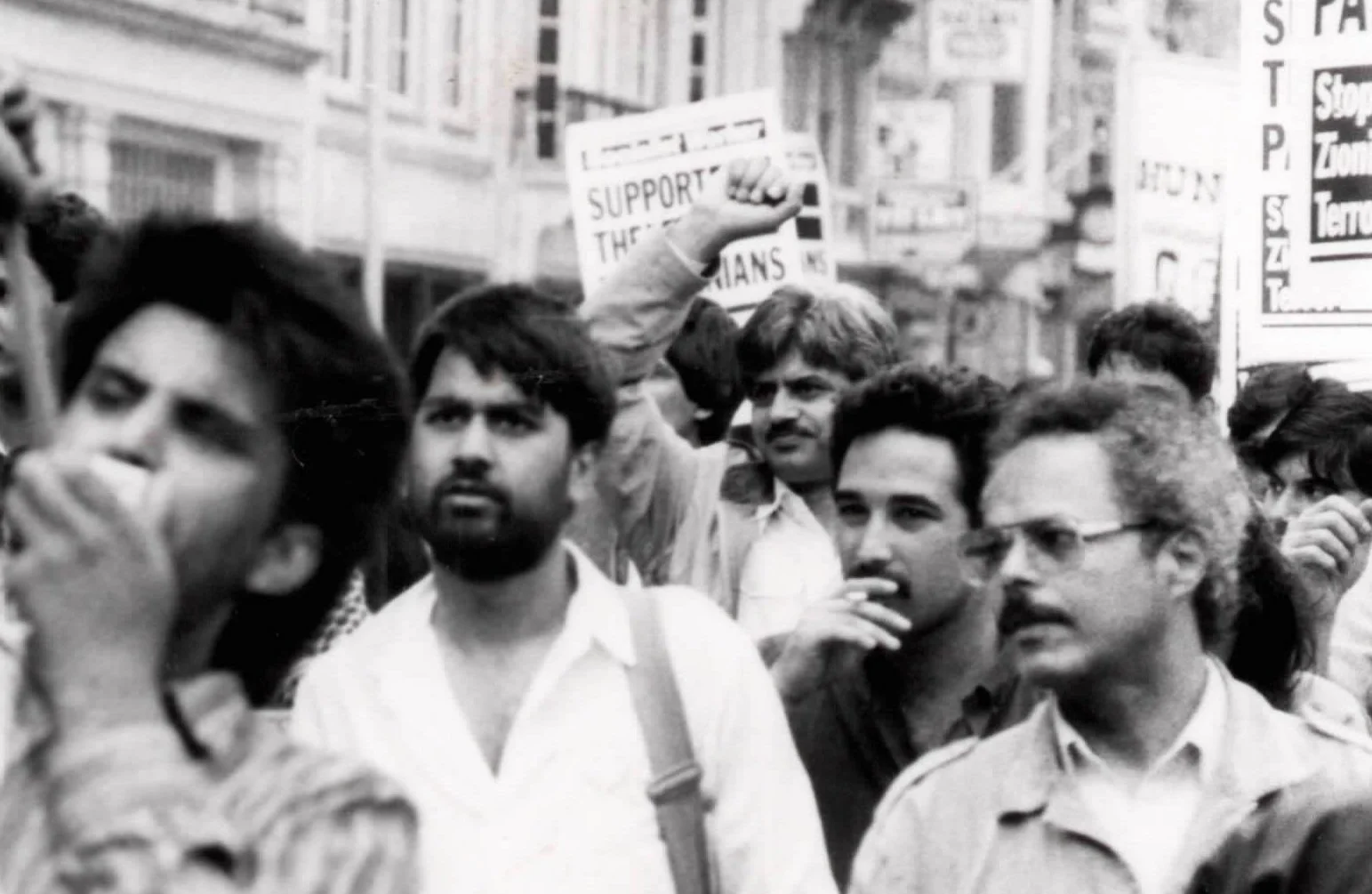
Images credited to Kevin Hayes (photography) and Mukhtar Dar (design).
For Younus, Kashmir was never an abstraction but a lived commitment. He was an avid supporter of the Jammu Kashmir Liberation Front, a prominent secular national liberation organisation founded in 1977 by Amanullah Khan and Maqbool Bhat that advocated complete independence for the entire Jammu and Kashmir state from both India and Pakistan. He played a central role in the JKLF in the UK and actively participated in the annual commemoration of Maqbool Bhat, regarded by many as the Father of the Nation of Kashmir. At Aijaz’s request, he wrote a two-part article on the history of Kashmir and the struggle for self-determination for the PWA journal Paaikar—not as an academic exercise, but as an act of political education and collective memory. Whether wriang, sharing plaborms, or speaking in modest community halls, he approached imperialism, colonialism, and racism as realiaes to be confronted with clarity and courage, always guided by a steadfast respect for human dignity. He did not speak to impress; he spoke to illuminate, to awaken understanding, and to inspire thoughbul acaon.
While his foremost commitment remained the liberation of the Kashmiri people, he also understood that this struggle was inseparable from the wider social-justice movements of the peoples of the subcontinent. With this perspective, he joined the People’s National Party (PNP) alongside his longstanding comrade Qurban Ali. The PNP, a revolutionary socialist party grounded in class struggle, reflected his conviction that national liberation and class emancipation were not competing causes but intertwined destinies.
His internationalism extended well beyond South Asia. He was deeply committed to supporting the national liberation struggles of Ireland and Palestine, regularly attending meetings and demonstrations and speaking on platforms where he often repeated the conviction that “injustice anywhere is a threat to justice everywhere.” For him, solidarity was never symbolic; it was an ethical obligation that transcended borders.
Out of this union of labour and study emerged his writing. He wrote to build understanding, not reputation. His books and articles sought to bring clarity to a struggle often clouded by emotion or confusion. He read extensively on the intricacies of the Kashmiri question and analysed them within a Marxist framework, while ensuring his work remained accessible to ordinary readers in both Urdu and English. His published works include Master Abdul Majeed and the Revolutionary Struggle of British Kashmiris, Akhund Bharat – A Historical Political Critique, The Real Dispute of Kashmir, and The Ideology of Azad Kashmir. His love of reading and writing—and his desire to share that passion—also led him to form a Writers Society aimed at encouraging readership and nurturing emerging voices. For many, his writings became a bridge between instinctive sympathy for the Kashmiri cause and a deeper political understanding of it.
Politically, he was principled without becoming dogmatic. He remained steadfast in his revolutionary socialist outlook and in his commitment to the Kashmiri people’s right to self-determination, even as others gravitated toward safer or more comfortable paths—some turning to narrow identity politics in pursuit of recognition, status, or local council positions. He opposed racism and imperialism wherever they surfaced and resisted both the reduction of politics to personal advancement and the narrowing of identity into exclusion. His internationalism rested on a simple truth: oppression may change its language and its location, but not its essence.
Equally striking was his independence of mind. He could work within organisations while retaining the courage to question and to revise his own views. He listened carefully, reflected deeply, and was never afraid to correct himself. In a political culture that often mistakes stubbornness for strength, this willingness to re-examine his position revealed a deeper integrity.
As part of his work within the Kashmiri Workers Association, he helped create a single unifying flag by combining the two flags of Indian-occupied and Pakistani-occupied Kashmir. This symbol was formally hoisted at a conference in Birmingham alongside a new revolutionary national anthem performed by the well-known Kashmiri singer Lala Qadeer. The conference, chaired by his longstanding comrades Qurban Ali and Professor Nazir Haq, marked a rare moment of cultural and political unity that he regarded with quiet pride.
Yet beyond activism, writing, and study, what remains most vivid is his character. He was humble without being timid, principled without rigidity, and warm without sentimentality. He did not seek the spotlight or the applause of crowds. He lived his beliefs quietly and consistently, leaving little distance between the man and his politics. In him, integrity was never proclaimed—it simply breathed through the ordinary rhythms of his life. And in that quiet constancy lay a devotion to Kashmir that did not fade with time, a steady flame carried like soil in the palm of his hand, waiting for the dawn he believed would one day rise over a free and united homeland.
In his later years, worsening heart disease and chronic knee problems increasingly limited his mobility. He began spending longer periods in Kashmir, hoping the warmer climate would bring comfort and relief. Sadly, it was there that he suffered a fatal heart attack. Yet even as his physical strength declined, his intellectual curiosity and political engagement never faded—he was in the middle of writing yet another book on Kashmir when he passed away.
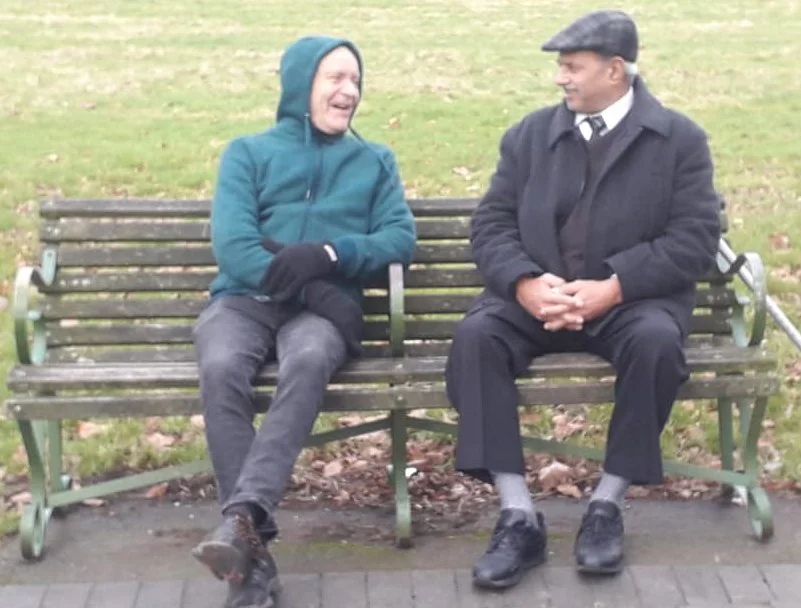
Yet he remains most vivid to me not in illness, but in memory. He lived in a modest house in Handsworth, and the last time I saw him, he was seated on a park bench in Handsworth, walking stick in hand, absorbed in conversation about the latest phase of the Kashmiri national liberation struggle—still reading, still questioning, still engaged. Remembering him is a reminder that history is shaped not only by the names that dominate headlines, but also by those who quietly lay the moral and intellectual foundations upon which movements stand. He belonged to that quieter current of history—the kind that flows beneath the surface yet nourishes the roots—and like an underground river, his commitment to his people moved unseen but enduring, destined to meet the sunlight when the long-awaited morning of freedom breaks across Kashmir.
Comrade Muhammed Younus Taryabi leaves an example both ordinary and profound: that a worker can become a scholar without ceasing to be a worker; that education can serve struggle rather than status; that modesty can coexist with unshakeable conviction; and that leadership can be exercised without raising one’s voice. His life shows that political consciousness grows not only in institutions, but on factory floors, in shared homes, and in long conversations among comrades. He lived as a son of the soil even while far from it, carrying his homeland not as memory alone but as duty—and in that fidelity, he planted seeds of hope that will be remembered when the sun of freedom finally rises over a united and liberated Kashmir.
Rest in peace, dear comrade. Your journey does not end here. It continues wherever a worker opens a book after a long shift, wherever a young activist chooses understanding over prejudice, and wherever solidarity is lived rather than spoken. And when the valleys of Kashmir are lit by the long-awaited sun of freedom, your name will return on the wind like a familiar prayer—remembered not as an echo of the past, but as a living part of the land you never ceased to serve.